KCB Clean Energy Transformation Powers Kenyan Schools
KCB Driving Clean Energy Transformation in Kenyan Schools
The Hidden Cycle
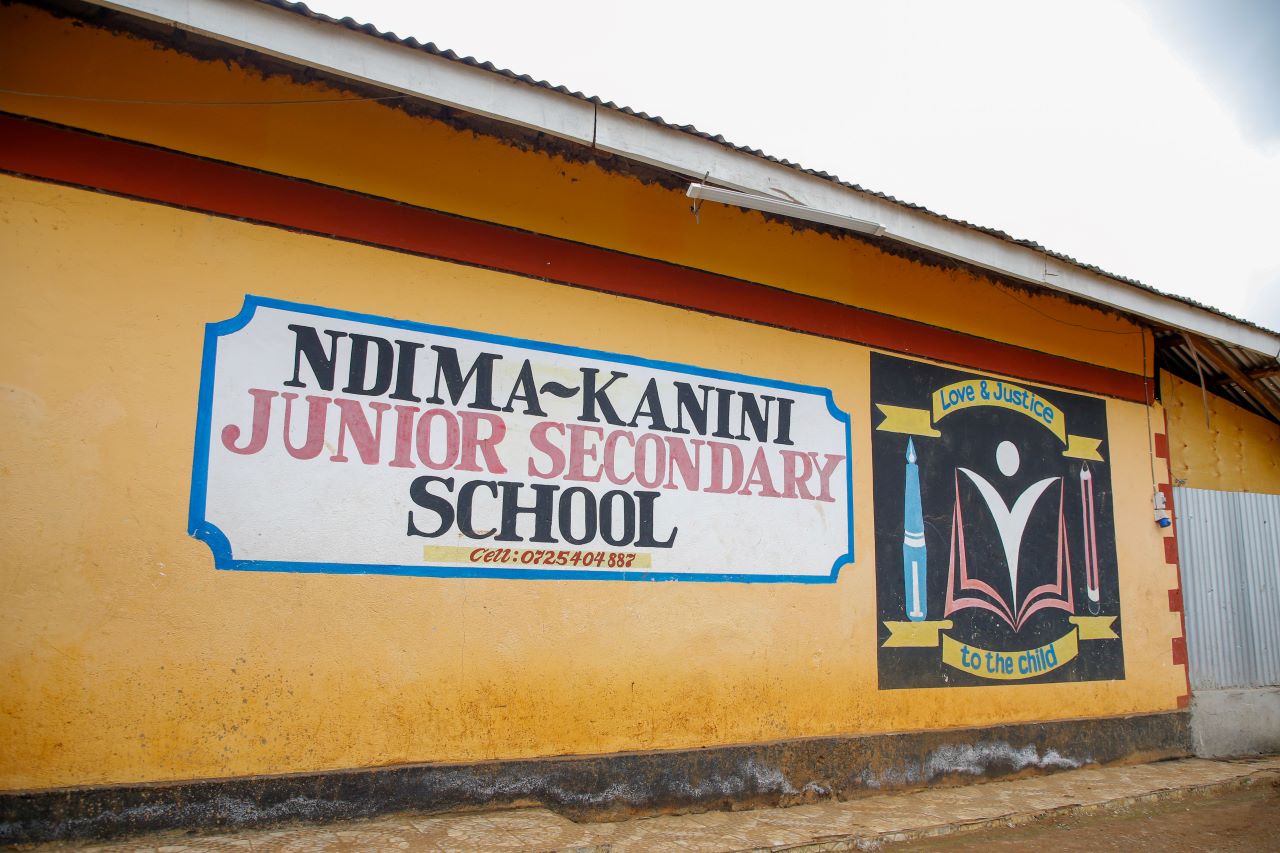
A few days back, we visited a school in Karatina courtesy of KCB bank. Ndima Kanini Academy. The school has 1,349 students. The school bell rang and students rushed towards the dining hall. Behind them, invisible but persistent, trails the smoke from burning wood, smoke that will claim another tree tomorrow, and another the day after, in an endless cycle that devours Kenya’s forests one school meal at a time.
The Financial Burden
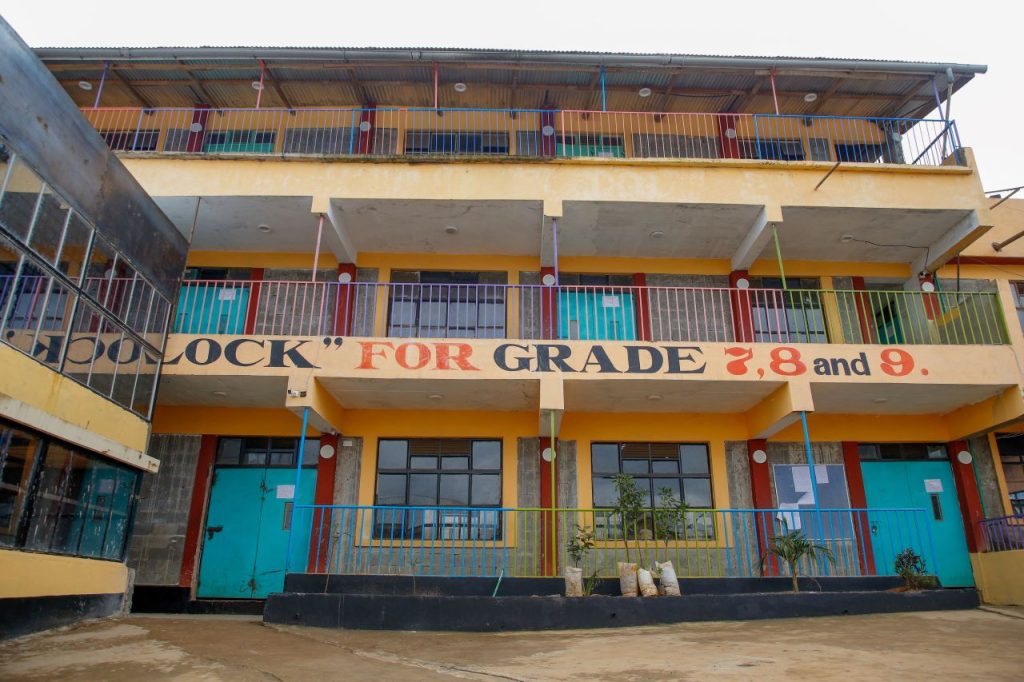
This institution spends Kshs 240,000 monthly on electricity, water pumping and fuel. For 746 boarders requiring constant power, these expenses drain resources meant for education. The management watches as money disappears into utility bills while classrooms need textbooks and other learning materials
Also read: KCB Unveils AI-Powered Mobile App as Digital Banking Hits 99%
The Human Cost
The cooks work in smoke-filled kitchens. These men and women labour daily in toxic environments, their lungs bearing the burden of indoor air pollution. Students passing through dining areas breathe the same fumes. Teachers suffer respiratory complications. Each meal becomes a health hazard disguised as nourishment.
The Environmental Toll
Nationally, Kenya’s schools consume 1.3 million metric tons of wood yearly, valued at KES 20 billion. In Kenya, it’s estimated that millions of trees are cut down annually to fuel school kitchens across the country. Each tree represents lost carbon storage, which will then contribute to floods and droughts that disrupt academic calendars. Water catchment areas disappear. The institutions meant to educate future generations destroy their inheritance.
The Transformation
KCB’s Clean Energy Financing offers schools solar power, LPG, biogas, and steam through accessible loans at competitive rates. At Ndima Kanini, they got 71 solar panels. Concrete results: 24-hour electricity, uninterrupted evening classes, and eliminated power bills. The loan will run for four years at 9.7% interest, making the Kes 4 million investment affordable. Students will no longer fear blackouts during crucial study hours.
The New Reality
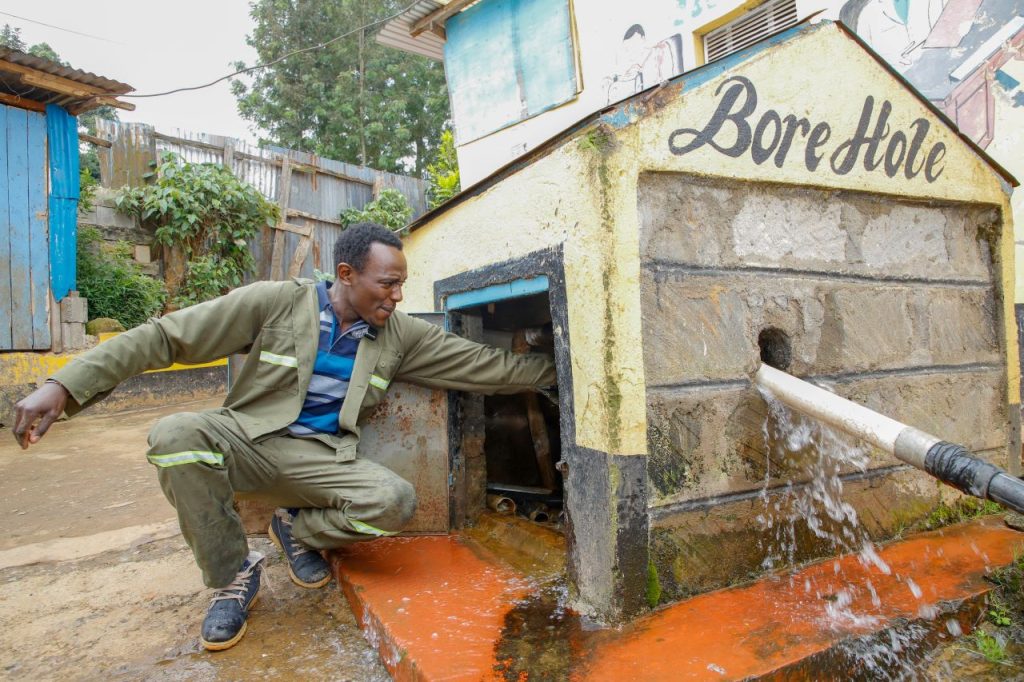
Ndima Kanini Academy will now be saving Kes. 1.44 million annually. That money will fund educational programs instead of utilities. Evening classes will run from 7:00 to 9:00 PM without interruption. Cooks will now work in cleaner environments. This school needs 10,000 liters of water every day and it’s now met through solar-powered pumping. Their success is now inspiring neighboring institutions to embrace clean energy. The transformation spreads from one school to another, replacing smoke-filled struggle with solar-powered progress.