Millennials Revive Kenya’s Festival Culture at Tusker Kulture Carnivore
Millennials Remind Kenya How Festivals Are Actually Done
Kenya’s event circuit has long been a graveyard of disappointment. Grammy winners landing at JKIA, strutting into venues, then delivering performances so flat you’d think the weather finally caught up with them. Sound systems that turn icons into underwater echoes. Nigerian artists blame everything but their inability to sing. The pattern became predictable: international hype, local disaster, social media autopsy.
But then Tusker’s Kulture at Carnivore broke the curse.
The first edition, embedded in Tusker’s Oktobafest, pulled off what seemed impossible in Nairobi’s current event landscape: flawless execution. Not “good considering,” not “better than last time,” but genuinely flawless. The generation that built Kenya’s entertainment golden age showed up to reclaim their throne and the contrast exposed just how far the scene had drifted.
The Millennial Advantage Is Not Nostalgia
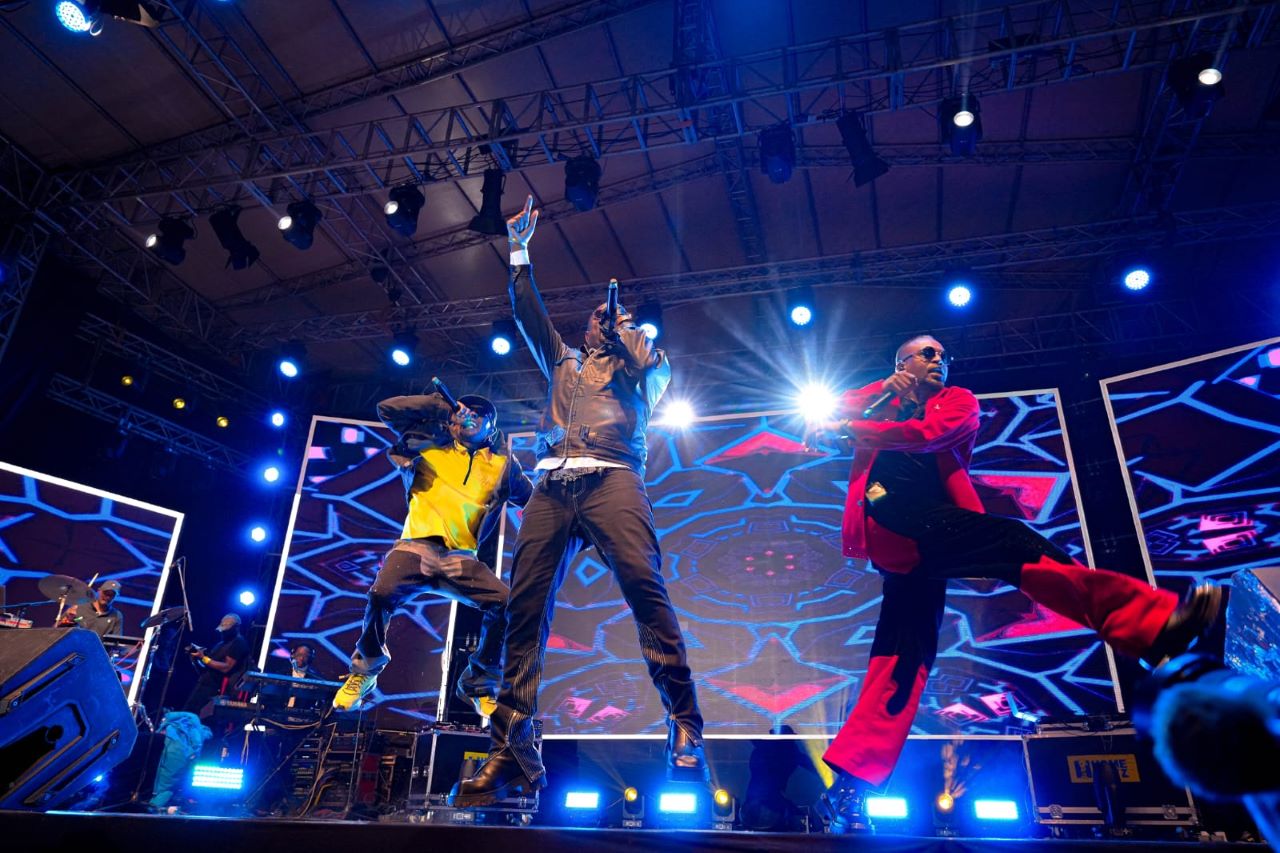
Necessary Noise commanded the stage with more energy and charisma than artists half their age. Prezzo still carried presidential confidence, proving no one works the spotlight like him. Kalamashaka reminded everyone that real lyricism never expires. This was a masterclass in what happens when performers mastered their craft before fame found them.
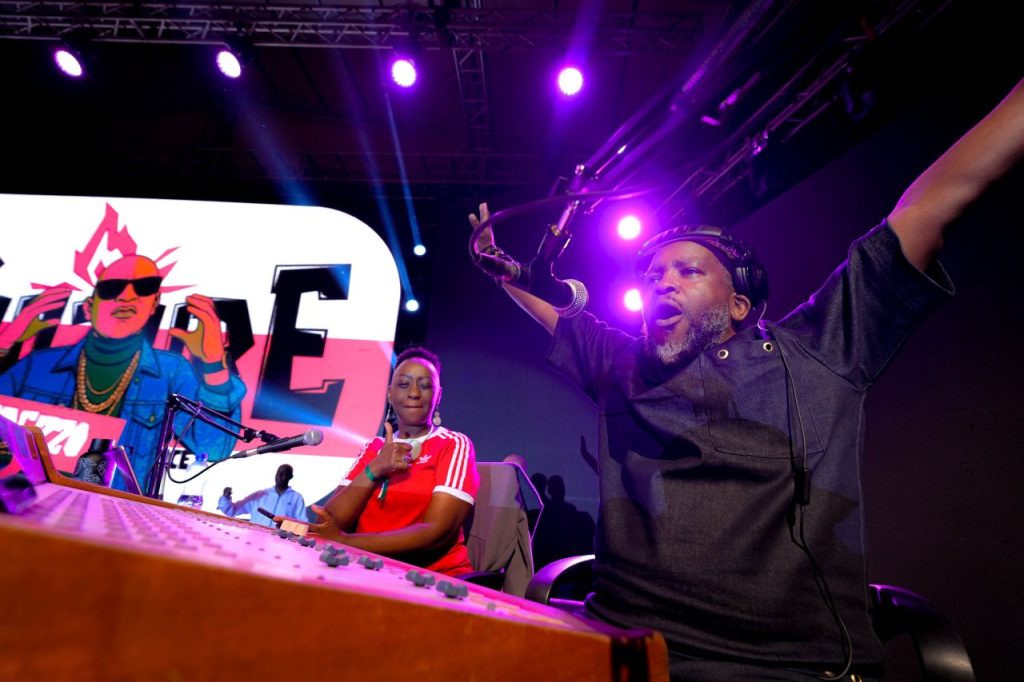
The sound system deserves its own monument. The clarity felt orchestral and the weather seemed to cooperate as if the universe recognized something worth preserving. Jimmi Gathu and Muthoni hosted the show like seasoned radio presenters instead of typical MCs, filling every gap between performances and keeping the crowd engaged.
Also read: Captain Morgan Lights Up Nakuru with Electrifying Takeover
What the Young Artists Are Missing
Gen Z has the streaming numbers and viral moments, but what they lack is stage presence. The ability to turn a performance into a shared experience. Mr. Lenny, the original king of collaborations, had the crowd singing every word. Jua Cali cemented his title as the king of Genge, while P-Unit balanced the charm of Sauti Sol with the grit of the streets. Kleptomaniax reminded everyone why their chemistry remains unmatched.
Sanaipei showed how vocal ability paired with confidence creates timeless appeal. Darling P won over a crowd that barely knew his songs through pure Kamba charisma. Wahu’s lyrics still hit deep, confirming her place as Kenya’s enduring queen of pop.
E-SIR may have died young, but his presence lingered over Kulture as though he headlined. Two decades later, his influence still shapes the room’s energy. Nameless closed the night, the only logical choice. The biggest hitmaker of the 2000s delivered “Sinzia” to a crowd that knew every lyric, proving his music still commands complete attention.
Shiko, 22, a Gen Z attendee, called the event “10 out of 10” without irony. When someone outside the nostalgia bracket validates an experience like this, you know it is about craft, not age.
The Infrastructure Play
Tusker is not stopping at Nairobi. The deconstructed festival model will tour Eldoret, Mombasa, Kisumu, and Nanyuki, supported by over 200 on-trade activations nationwide. This will test whether Carnivore’s success was a Nairobi privilege or a replicable system.
Tusker Kulture’s success proves that Kenya’s event failures are not inevitable, they are the result of choices. Planning, sound engineering, artist preparation and crowd management make or break a show. The millennials who built Kenya’s early entertainment scene are reminding everyone what true performance standards look like.
The blueprint is right there. The only question is whether the current event circuit has the discipline to follow it.