
Tanzanian Police Kill Protesters After Disputed Election
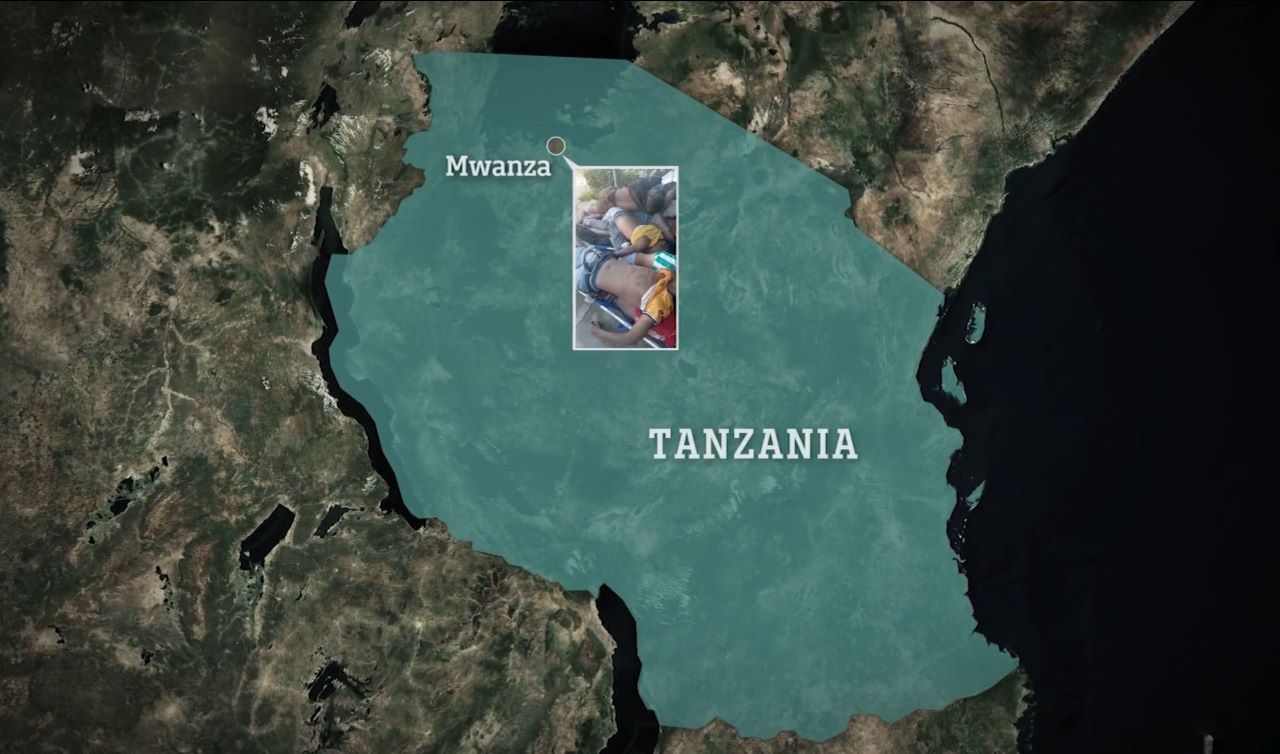
CNN Investigation Reveals Tanzanian Police Fatally Shooting Protesters and Signs of Mass Graves
A CNN investigation has uncovered disturbing evidence of Tanzanian police and armed men firing at groups of protesters in the chaotic days following the country’s disputed presidential election last month. Many of the demonstrators appeared unarmed or carried only rocks and sticks.
CNN verified and geolocated multiple videos from the scenes and conducted audio forensic analysis of the gunfire. Witnesses and victims described how young protesters faced violent crackdowns after President Samia Suluhu Hassan declared victory with 98 percent of the vote on October 29, despite barring her main challengers from the race.
Additional footage confirmed by CNN shows morgues overflowing with bodies, aligning with accounts of a rising death toll during the unrest.
Satellite images and videos also show disturbed soil in Kondo cemetery, north of Dar es Salaam. Human rights groups and witnesses say this area has been used to bury protesters killed in recent weeks, raising concerns about possible mass graves.
Following the election, authorities imposed a curfew and restricted internet access as crowds gathered to challenge the exclusion of opposition candidates. Tundu Lissu, the main opposition leader, has been held since April on treason charges.
When internet access partially returned a week later, police warned the public against sharing photos or videos that might cause panic. Government officials initially denied any deaths among protesters. The president later acknowledged casualties but did not provide numbers.
Hassan has since formed a commission to investigate the unrest while suggesting protesters may have been paid. Government officials and police did not respond to CNN’s requests for comment.
The United Nations Human Rights Office, citing multiple sources inside Tanzania, indicated that hundreds of protesters and civilians may have been killed, with many more injured or detained.


