Kenya to Partially Divest Safaricom Stake for Infrastructure Funding
Government of Kenya to Partially Divest Safaricom Stake, Channel Proceeds to Infrastructure and Sovereign Wealth Funds
The Government of Kenya has announced plans to partially divest its shareholding in Safaricom Plc, with proceeds earmarked for national infrastructure development and the establishment of long-term investment vehicles, including the National Infrastructure Fund and the Sovereign Wealth Fund.
In a statement issued by the National Treasury, the proposed divestment will be undertaken in line with the Public Finance Management Act (PFMA) and all laws governing the management and disposal of State investments in government-linked corporations. The transaction is expected to generate approximately KES 240.5 billion in aggregate proceeds.
According to the Treasury, the process will follow the full statutory and regulatory pathway. This includes consideration by Cabinet, followed by submission to Parliament as required under the PFMA and constitutional provisions governing changes to national investments.
The Government framed the move as part of a broader strategy to redirect capital toward priority sectors such as energy, roads, water, and aviation infrastructure, while easing pressure on public borrowing and taxpayers.
In addition to Cabinet and Parliamentary approval, the transaction will be subject to review by key regulators, including the Capital Markets Authority, Central Bank of Kenya, Communications Authority of Kenya, and the Competition Authority of Kenya. Each institution will assess the proposal in line with its mandate covering financial markets, monetary stability, telecommunications infrastructure, and competition policy.
The Treasury noted that the divestment process will include full disclosure, transparency, and public participation, as required by law, to safeguard the public interest and uphold accountability standards.
Also read: Garissa Turn Boy Wins Millions in Safaricom Shangwe @25
Despite the partial sale, the State will retain a significant strategic stake in Safaricom and remain involved in the company’s long-term direction. The Government emphasized that national interests, including data protection, cybersecurity, critical digital infrastructure, spectrum management, and the security of national payment systems, will continue to be protected under Kenya’s regulatory framework.
Commenting on the proposal, Cabinet Secretary for the National Treasury, FCPA John Mbadi, said the move aligns with the Government’s fiscal and economic priorities.
“The Government remains firmly committed to prudent fiscal management and sustainable economic growth. This proposed partial divestment is guided by the need to mobilise non-tax revenue in a responsible and forward-looking manner, reducing pressure on taxpayers and limiting reliance on debt,” Mbadi said.
He added that the proceeds would form part of the seed capital for the National Infrastructure Fund and the Sovereign Wealth Fund, supporting the country’s long-term financial stability and development agenda.
“This aligns with the vision articulated by President William Ruto: building a Kenya that is less dependent on debt and less reliant on continually increasing taxes to fund development,” he said.
Vodacom Group, Safaricom’s largest shareholder, reaffirmed its commitment to the Kenyan market and the company’s long-term growth. Group CEO Shameel Joosub described Safaricom as a strategically important business with strong fundamentals and growth potential.
“Our partnership with Kenya spans over two decades, and we remain committed long-term investors and partners in advancing Kenya’s digital and financial inclusion ambitions,” Joosub said.
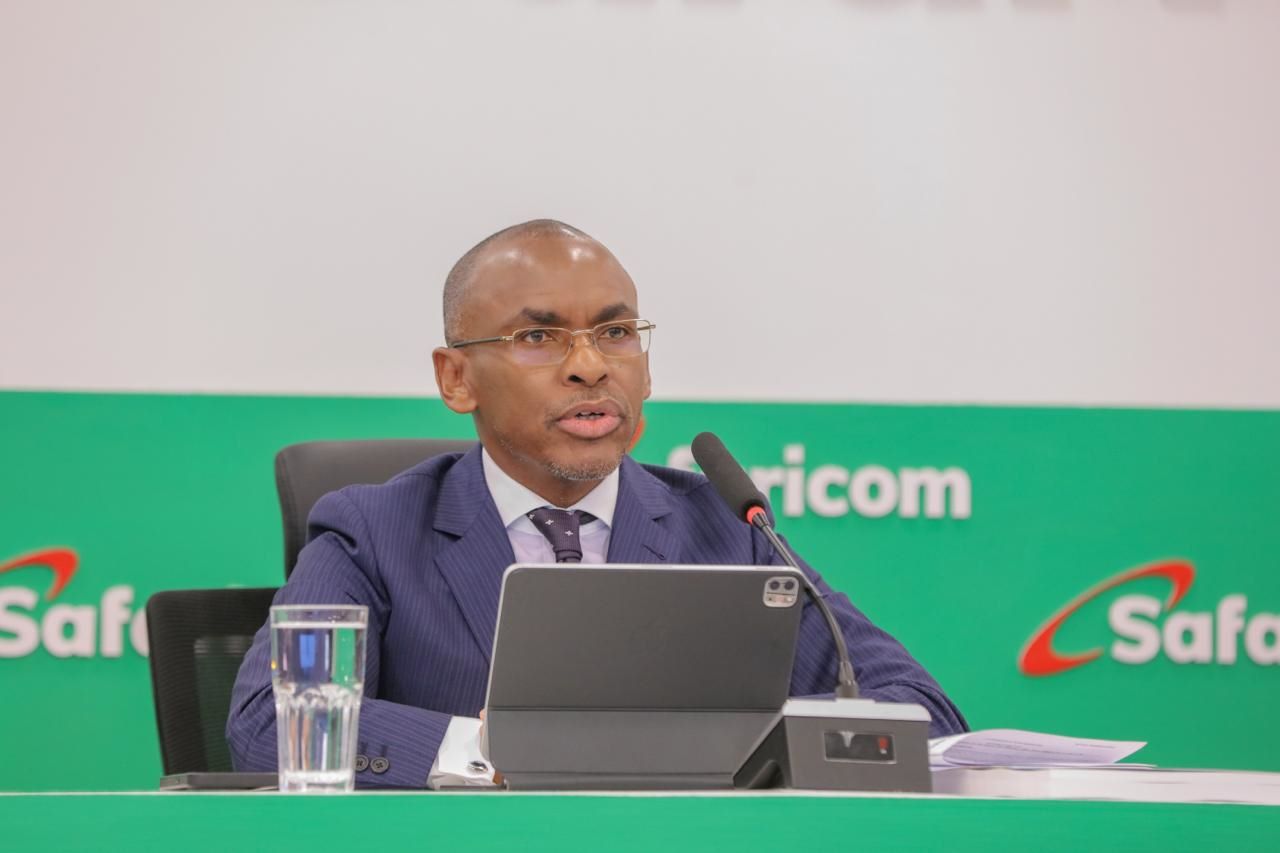
Safaricom Group CEO Peter Ndegwa said the company remains focused on execution and innovation, noting that its leadership and strategic direction remain unchanged.
“We appreciate the Government’s continued confidence in Safaricom and its recognition of the role we play in Kenya’s digital and economic transformation,” Ndegwa said.
Additional details are expected following the conclusion of Cabinet, Parliamentary, and regulatory review processes.