Safaricom 15% Stake Sold to Vodacom for Ksh 244.5B
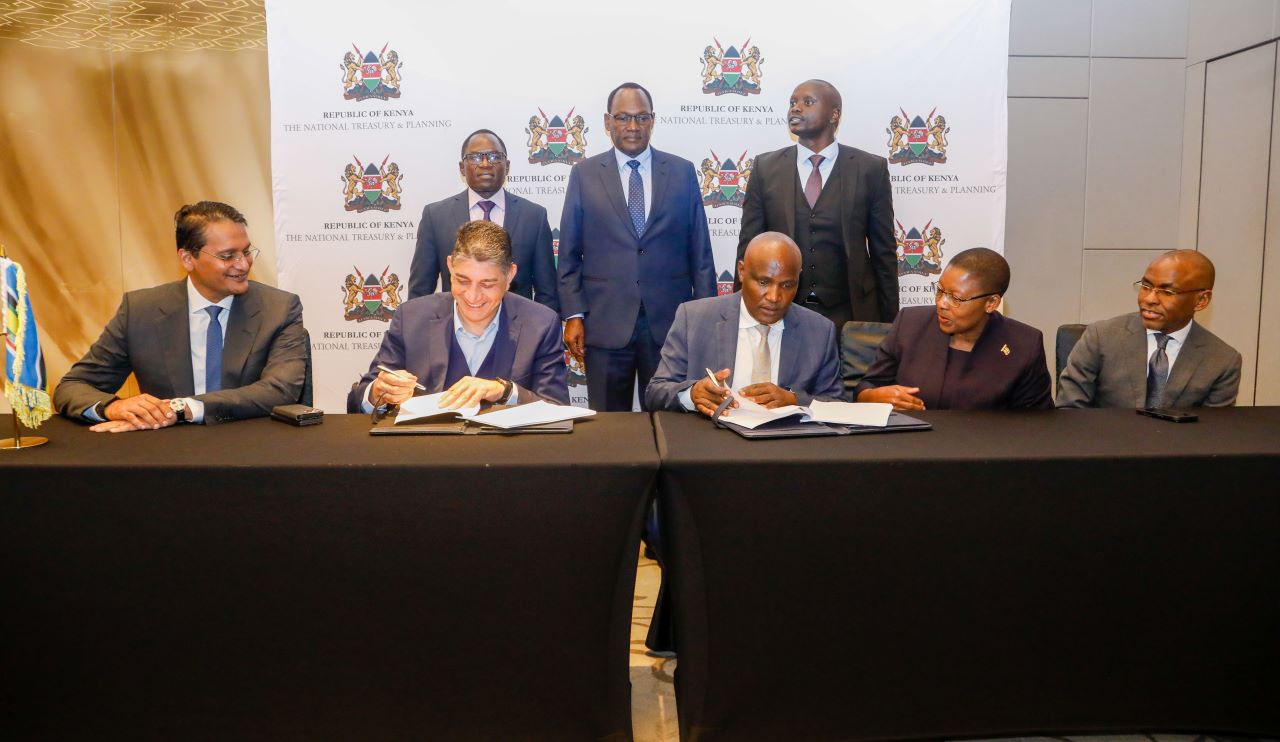
Safaricom Shake-Up: Kenya Sells 15% Stake to Vodacom for Ksh 244.5 Billion
The Kenyan government has sold a 15 percent stake in Safaricom to Vodacom Group Ltd, a move that reshapes ownership and promises a windfall for public investments. The deal, valued at Ksh 244.5 billion, grants Vodacom a controlling 55 percent stake, while the state retains 20 percent and public investors hold the balance. The proceeds are earmarked as seed capital for the National Infrastructure Fund and a new Sovereign Wealth Fund.
Why the Sale Makes Sense and What It Means for You
The price paid, Ksh 34 per share, reflects a healthy premium over recent market performance. By converting part of its shareholding into cash, the government channels funds into long-term public projects rather than recurrent expenditures. This could ease pressure on future tax hikes while offering Kenya a chance to invest in energy, roads, water infrastructure and airports.
On the Safaricom side, the sale hands over effective control to Vodacom. The South African company will fully consolidate Safaricom’s results into its books, a step that could accelerate investment in digital infrastructure, expansion of services, and regional growth.
What the Key Players Are Saying
Treasury Cabinet Secretary John Mbadi emphasized the sale as a move toward fiscal prudence and sustainable growth. The funds from the transaction will “form part of the seed capital” for national funds aimed at development. He highlighted that this shift reduces reliance on debt and lessens the burden on taxpayers.
From Vodacom, Shameel Joosub reaffirmed commitment to Safaricom’s long-term growth and Kenya’s digital and financial inclusion goals. Meanwhile, Safaricom’s leadership under Peter Ndegwa welcomed continuing confidence from the government, and vowed the company will focus on delivering innovative products and services.
What Changes and What Stays the Same
Vodacom’s 55 percent stake gives it direction over strategic decisions at Safaricom. The company is positioned for full consolidation, which might result in more aggressive expansion of data services, mobile money, and regional operations. Public investors, including individual and institutional shareholders, retain 25 percent. The government, although reducing its holding, stays in the picture with 20 percent, keeping a degree of influence and safeguarding national interests.
Safaricom remains listed on the Nairobi Securities Exchange (NSE), so shareholders will still be able to trade their holdings.
Also read: Kenya to Partially Divest Safaricom Stake for Infrastructure Funding
Why This Matters for Kenya and Consumers
For the Kenyan economy, the transaction presents a rare chance to mobilize substantial non-tax revenue. That money could accelerate infrastructure development, helping plug long-standing gaps in transport, energy, and water systems. For Safaricom’s customers, a more consolidated and capital-rich parent company could translate into better network coverage, faster data, and enhanced mobile financial services.
Still, some questions remain. The deal hinges on regulatory approvals by multiple agencies, including the Capital Markets Authority (CMA), the Communications Authority of Kenya (CA), the Central Bank of Kenya (CBK) and the Competition Authority of Kenya (CAK). The timeline points toward closing in the first quarter of 2026.
If you watch the market closely, you might spot shifts in Safaricom’s share price or dividend strategy as the consolidation takes effect. On a broader level, this reshuffle signals a push toward leveraging private capital for public infrastructure a trend likely to shape how Kenya funds development in the coming years.