KCB FY2025 Results: Profit Hits KShs. 68.4B
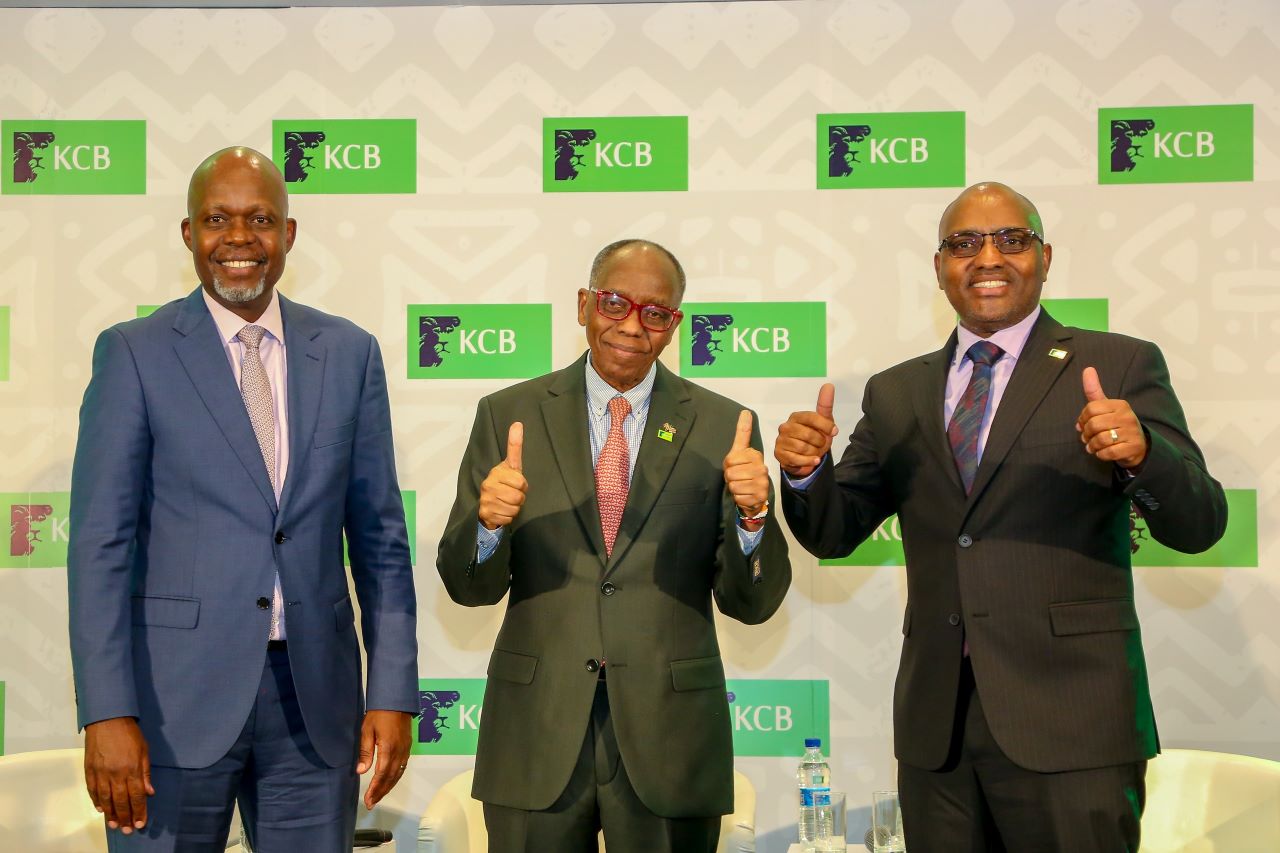
KCB Group Posts Kshs. 68.4 Billion Profit as Lending and Regional Business Lift Earnings
The KCB Group FY2025 results show a bank that continued to expand its lending and regional operations while keeping a close eye on costs. The lender reported Kshs. 68.4 billion in profit after tax for the year ending December 2025, an increase of 11 percent from the previous year. The numbers place the Nairobi-based bank among the most profitable lenders in East Africa as it continues to grow across several markets in the region.
Revenue rose alongside the profit. The group recorded Kshs. 214 billion in total income, up from Kshs. 204 billion a year earlier. Much of that growth came from interest income generated through lending to households, companies and government institutions.
For readers watching Kenya’s banking sector, the results show how large banks are leaning on credit growth, digital services and regional operations to keep earnings rising in a difficult economic climate.
Profit Growth Driven by Lending and Income Expansion
The bank’s loan book played a major role in the performance. Customer loans rose to Kshs. 1.59 trillion, an increase of about 15 percent. That expansion fed directly into interest income, which remains the main revenue driver for commercial banks.
Interest-earning assets also expanded to Kshs. 1.84 trillion, reflecting growth in loans and other investments held by the group.
Also read:KCB Group Posts Kshs. 68.4B Profit in FY2025
Total revenue reached Kshs. 214 billion, up from Kshs. 204 billion the previous year. Digital banking also continued to contribute to earnings, with non-funded income accounting for about 31 percent of total revenue.
Chief Executive Officer Paul Russo said the results reflect the bank’s regional reach and the trust customers continue to place in the institution.
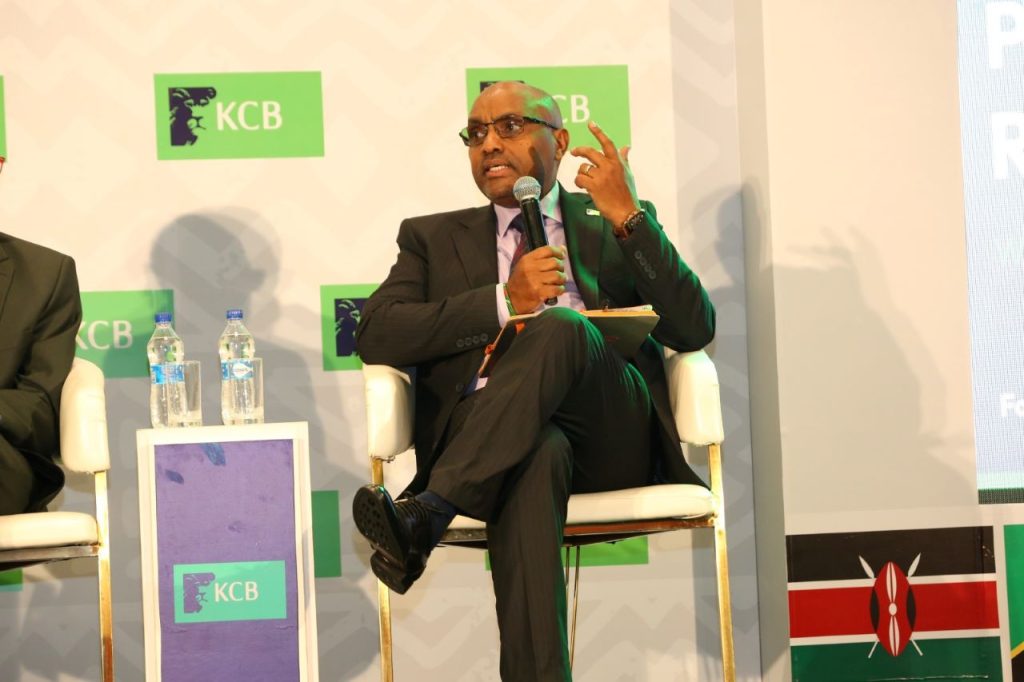
“Our 2025 performance reflects the strength of the KCB franchise, the resilience of our regional footprint, and the continued trust that customers place in us. Despite a challenging operating environment, we delivered solid growth driven by disciplined execution, continued investment in digital innovation, and our unwavering commitment to supporting sector-focused lending that catalyzes economic transformation across the region.”
Assets Pass Kshs. 2 Trillion
The balance sheet also continued to grow.
Total assets reached Kshs. 2.15 trillion, up 9.3 percent from the previous year. The growth came despite the group’s exit from the National Bank of Kenya during the year.
Customer deposits rose to Kshs. 1.59 trillion, giving the bank a stable funding base for lending across its markets.
KCB operates across several countries in East and Central Africa, including Uganda, Rwanda, Tanzania, Burundi, South Sudan and the Democratic Republic of Congo. This regional presence has increasingly become a key contributor to earnings as local subsidiaries expand their lending activities.
The group said subsidiaries outside Kenya contributed over 30 percent of profit before tax, showing how income is spreading across markets.
Non-Banking Businesses Gain Momentum
Beyond traditional banking, KCB’s other financial services units continued to record steady growth.
KCB Bancassurance Intermediary reported Kshs. 1.14 billion in profit before tax, while KCB Investment Bank posted Kshs. 348 million. KCB Asset Management recorded Kshs. 160 million.
These units handle services such as insurance distribution, investment advisory and asset management. Banks across the region have expanded into these services as they search for additional income sources outside lending.
Costs Fall as Efficiency Improves
One area the bank focused on was cost control.
Operating expenses declined slightly during the year, allowing the cost-to-income ratio to fall to 42.5 percent from 45.4 percent. The ratio measures how much a bank spends to generate revenue. Lower numbers indicate better efficiency.
Analysts often watch this metric closely because rising costs can quickly reduce profit even when revenue is increasing.
The bank also reported an improvement in asset quality. The non-performing loan ratio declined to 16.9 percent from 19.2 percent, following recoveries and restructuring of some loans.
Gross non-performing loans fell to Kshs. 211.8 billion, down from Kshs. 225.7 billion a year earlier.
Capital and Liquidity Remain Above Regulatory Levels
KCB maintained capital levels well above regulatory requirements.
Core capital stood at 18.4 percent of risk-weighted assets, compared to the regulatory minimum of 10.5 percent. Total capital reached 22.1 percent, also above the required threshold of 14.5 percent.
Liquidity remained comfortable as well, with the bank reporting a 50.8 percent liquidity ratio, far above the 20 percent minimum required by regulators.
The bank’s return on equity reached 22.5 percent, while return on assets stood at 3.3 percent, figures that show how effectively the institution generated profit from its capital base.
Shareholders Set for Higher Dividend
Shareholders are also set to receive a larger payout following the results.
The board proposed a final dividend of Kshs. 3 per share, which will bring the total dividend for the year to Kshs. 7 per share when combined with the interim dividend paid earlier.
The total payout to investors will reach Kshs. 22 billion if shareholders approve the proposal. KCB’s dividend policy allows the bank to distribute up to half of its earnings while retaining capital for growth.
Outlook for 2026
KCB’s leadership expects economic activity across its markets to continue supporting business this year.
Group chairman Dr. Joseph Kinyua said the bank is monitoring global risks such as geopolitical tensions and trade tariffs, which could influence economic activity.
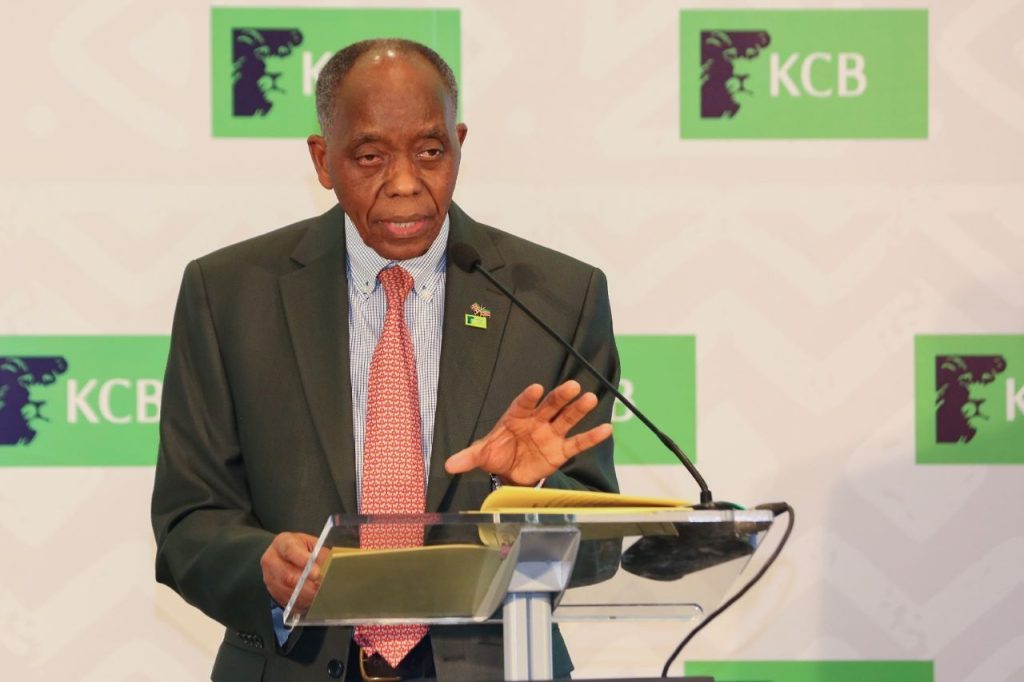
“Looking ahead, we are optimistic about sustained business activity and economic growth prospects this year across the markets we operate in. We are closely watching the increased global uncertainties attributed to heightened geopolitical tensions and higher tariffs.”
The bank has also continued to invest in digital products, including a unified mobile banking application that combines payments, savings and investment services.
For customers and investors watching the sector, the KCB Group FY2025 results point to a bank that continues to grow through lending, regional expansion and new financial services. The coming year will show how well that strategy holds up as economic conditions shift across East Africa.