Free Fistula Treatment in Kenya: M-Pesa Foundation Initiative
M-Pesa Foundation Giving Women Their Lives Back
In the early, chilly hours of Wednesday morning, women slowly made their way into Murang’a County Referral Hospital. Most arrived quietly, carrying a condition they had lived with in silence, hoping this time would be different.
Among them was Faith, a 24-year-old mother of one.
After giving birth in 2024, Faith returned home to a reality she could not explain. She moved from one hospital to another, searching for answers, but found none. When she finally learned she was living with fistula, another barrier stood in her way, she could not afford treatment. Like many women in her position, she withdrew and slowly lost hope.
That changed when the hospital opened its doors for a free fistula treatment camp, offering her and many others a chance to begin again.
What Is Fistula and Why Is It Still Hidden?
Female Genital Fistula (FGF) is an abnormal opening between the vagina and the bladder or rectum. It leads to continuous, uncontrollable leakage of urine or faeces, a condition that often isolates women from their families and communities.
In many cases, fistula is caused by prolonged, obstructed labour. When a baby is stuck in the birth canal for hours or even days, blood supply to surrounding tissue is cut off, causing severe damage.
However, childbirth is not the only cause.
Fistula can also result from:
- Sexual violence, including rape
- Complications from chemotherapy or radiotherapy
- Medical procedures or surgeries that go wrong
- Physical trauma or injury
Despite being treatable, stigma keeps many women from seeking help. Shame, lack of awareness and limited access to care mean thousands continue to suffer in silence.
“We Thought There Would Be Less Than Ten”
When M-Pesa Foundation began identifying fistula patients in Murang’a County, expectations were low.
The county has made notable progress in maternal health, with a 96% skilled birth attendance rate and one of the lowest teenage pregnancy rates in the country. It was assumed that fistula cases would be minimal.
They were wrong.
Dozens of women showed up.
Many had lived with the condition for years, quietly navigating daily life while carrying physical and emotional pain.
Three Women, One Reality
The stories coming out of the camp reflect how deeply this condition cuts across age and circumstance.
Faith represents young mothers trying to rebuild their lives after childbirth complications.
An elderly woman, who has lived with fistula for over fifteen years, spoke of years spent in isolation, often made to feel unclean and unwelcome.
Then there is a child under five, brought in after sustaining trauma from an accident, a reminder that fistula is not limited to childbirth alone.
All three are now receiving free surgical treatment.
Kenya records an estimated 3,000 new fistula cases every year. Yet the real number of women living with it remains hidden behind stigma.
M-Pesa at 15: A Commitment to Restore Dignity
The Murang’a Fistula Camp is part of the M-PESA @15 campaign, marking fifteen years of impact in Kenya.
At its core is a commitment to restore dignity to 700 women living with fistula across the country.
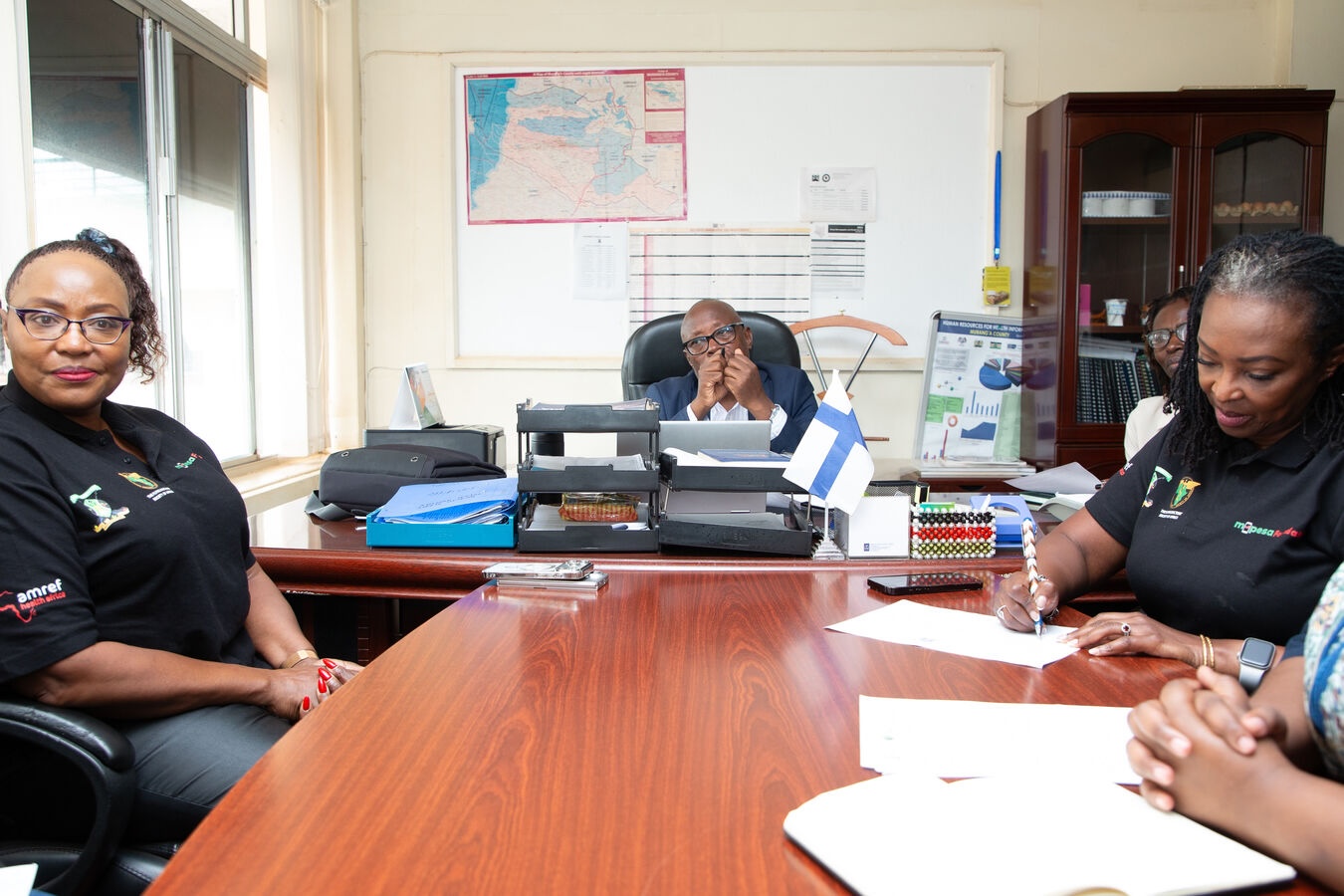
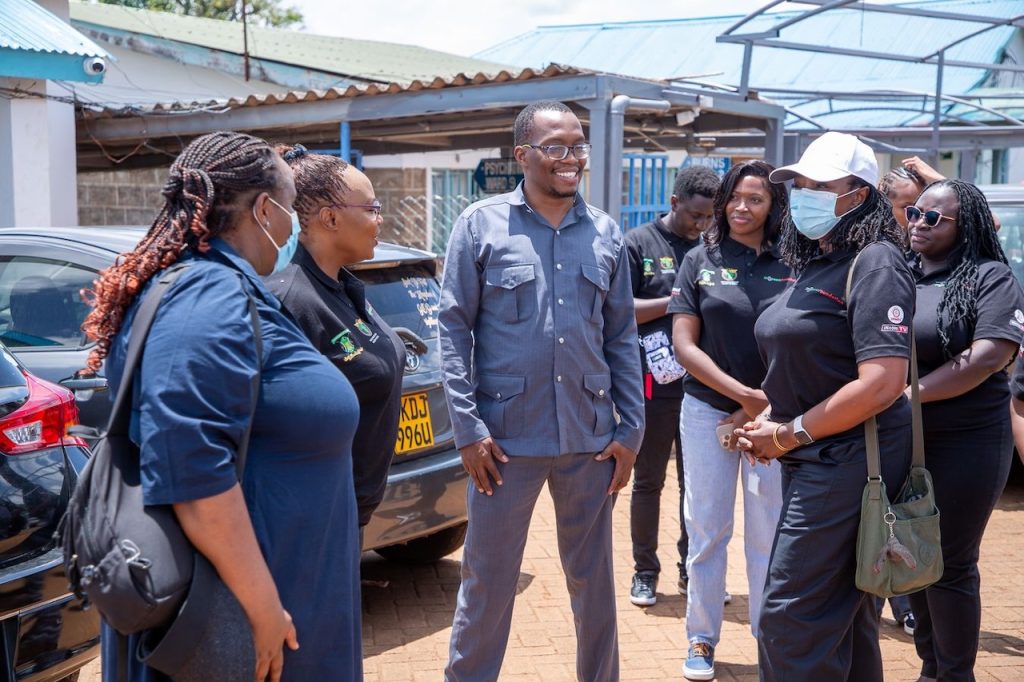
The initiative brings together the M-Pesa Foundation, the Ministry of Health, and the Murang’a County Government. It is supported by experienced medical partners including the Flying Doctors Society of Africa and Amref Health Africa.
At this camp alone, the target was to treat 60 women, providing not just surgery, but also post-operative care and follow-up to ensure long-term recovery.
Seeking Help
Fistula is treatable and no one should have to live with it in silence.
If you or someone you know may be affected:
- Visit the nearest county referral hospital
- Reach out to Amref Health Africa for guidance on treatment programmes
- Follow M-Pesa Foundation for updates on upcoming medical camps
For many women in Murang’a this week, the journey was not just about treatment. It was about reclaiming dignity, confidence and a life that once felt out of reach.