KCB Launches Mortgage for Informal Sector at Single-Digit Rate
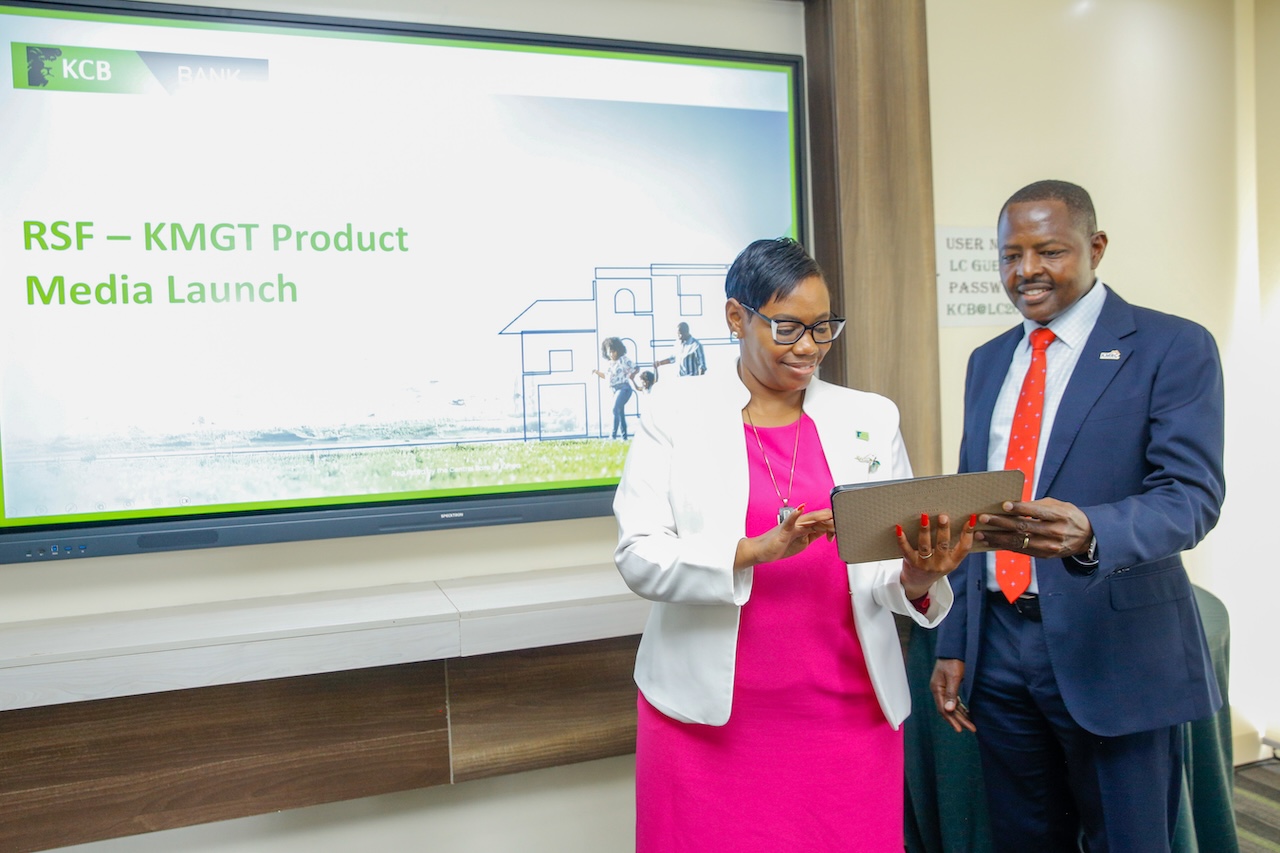
KCB Unveils Single-Digit Mortgage to Unlock Home Ownership for Informal Sector
KCB Bank is making a direct push into Kenya’s informal economy with a new mortgage product designed to make home ownership more accessible to millions of underserved workers.
The bank has introduced a single-digit interest rate mortgage targeting micro, small and medium enterprises (MSMEs) and individuals in the informal sector. This includes artisans, boda boda operators, gig workers and digital content creators, groups that have traditionally struggled to access conventional home financing.
The move signals a shift in how lenders are beginning to assess creditworthiness in a changing economy, where income is often irregular but still consistent over time.
A different approach to mortgage access
To qualify, applicants must have operated a business for at least two years. The facility offers loans ranging from Ksh 1 million to Ksh 4 million, with repayment periods of up to 15 years.
Unlike traditional mortgage models that rely heavily on payslips and formal employment contracts, this product takes a broader view of financial behaviour. KCB will assess applicants using transactional history, mobile money activity, business records, savings patterns and other alternative data points.
This approach reflects the reality of how many Kenyans earn and manage money today.
Speaking during the launch, KCB Bank Kenya Director of Mortgage Business, Caroline Wanjeri, said the product is designed to align with the country’s evolving workforce.
“For years, mortgage uptake in Kenya has largely been limited to formally employed, middle- to high-income earners, keeping penetration levels at around 3%. Yet over 80% of the workforce operates in the informal sector. This solution is about expanding access, easing rigid credit models and opening the door to home ownership for more Kenyans,” she said.
Addressing a bigger housing challenge
Kenya continues to face a growing housing gap, driven by rapid urbanisation and rising construction costs. With urban growth estimated at 4.4% annually, demand for affordable housing continues to outpace supply.
Efforts to address this have been outlined in national development plans, including the Vision 2030 agenda, which positions affordable housing as a key pillar of inclusive growth. However, limited access to financing has remained a major barrier for both developers and buyers.
By introducing a product tailored to the informal sector, KCB is attempting to unlock a segment of the market that has long been excluded from mortgage financing.
The broader impact could be significant. If scaled effectively, solutions like this could expand home ownership, improve living standards, and channel long-term capital into the housing sector.
For many Kenyans running small businesses or working outside formal employment, this may be the first realistic pathway to owning a home.