Maasai Mara Entrepreneurship: I&M, GIZ Invest Kes 230M
I&M Foundation and GIZ Commit Kes 230 Million to Boost Livelihoods in the Maasai Mara
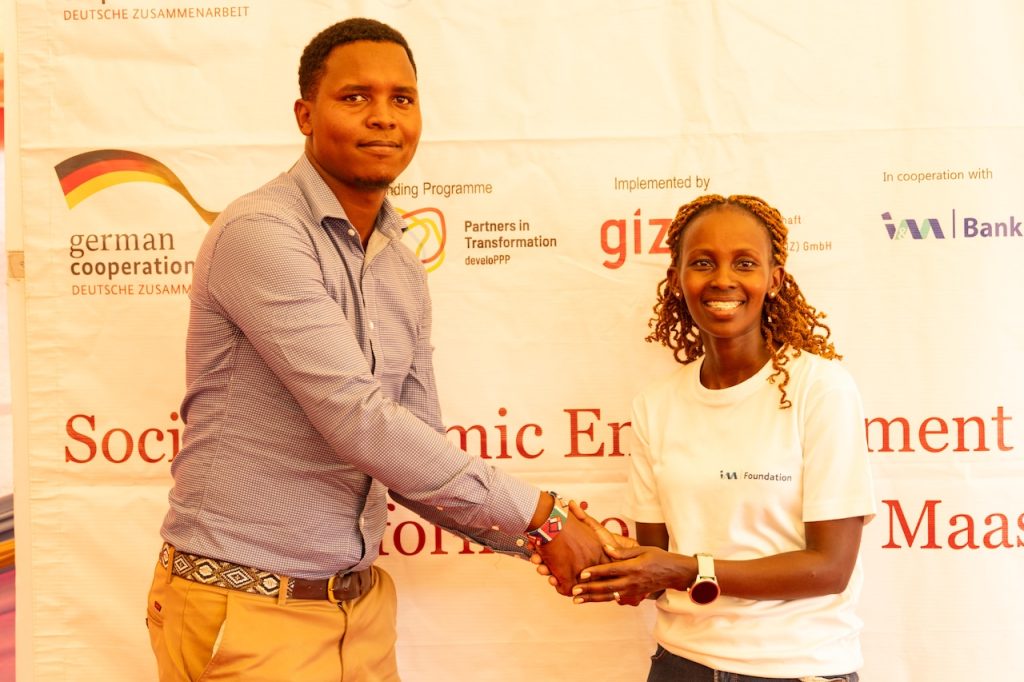
I&M Foundation, in partnership with German Corporation for International Cooperation (GIZ), has committed Kes 230 million to support livelihoods in the Greater Mara Ecosystem through an entrepreneurship-led initiative.
The programme, implemented under the develoPPP framework and delivered in partnership with The Maa Trust, is designed to strengthen economic opportunities for communities living within one of Kenya’s most important conservation landscapes.
At the heart of the initiative is a focus on youth and women, equipping them with practical business skills while reinforcing the connection between sustainable livelihoods and environmental conservation.
Entrepreneurship as a Pathway to Inclusion
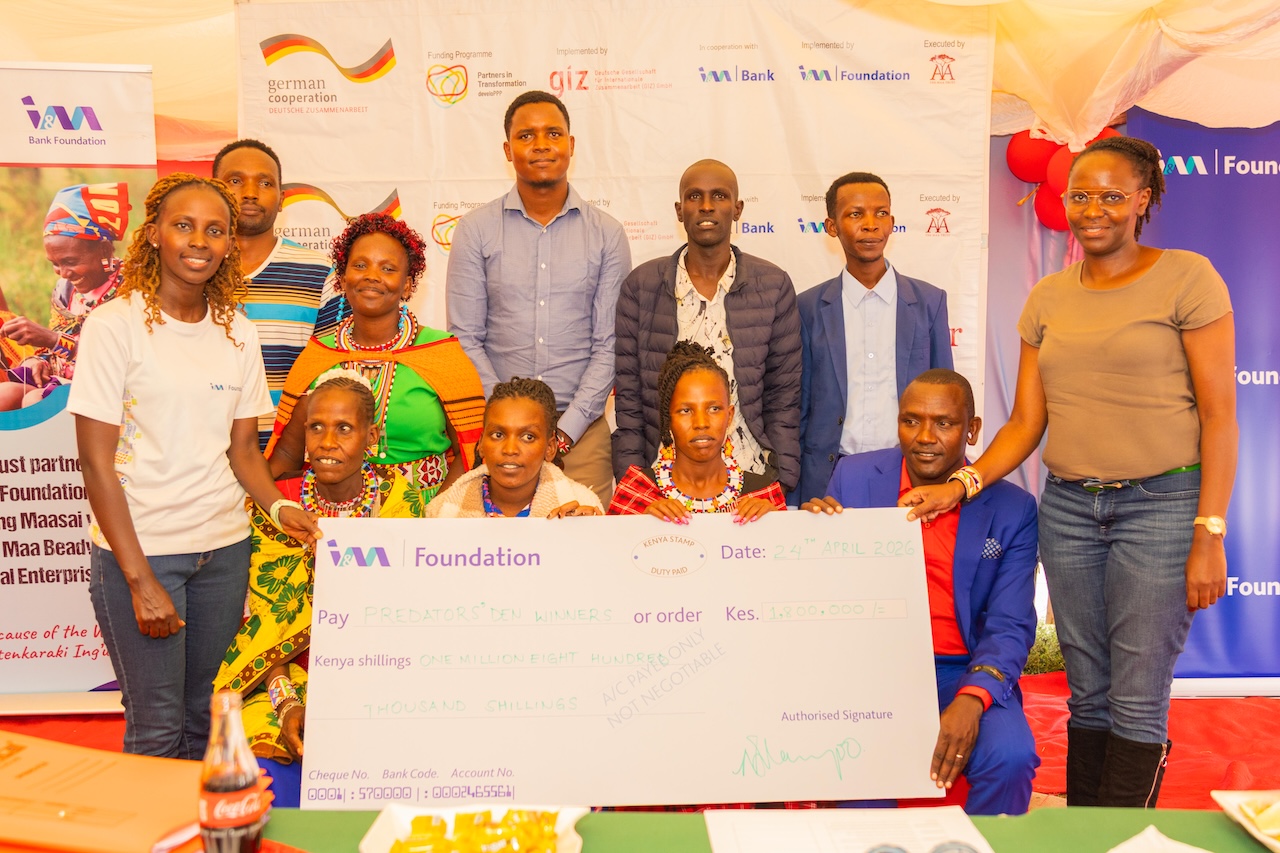
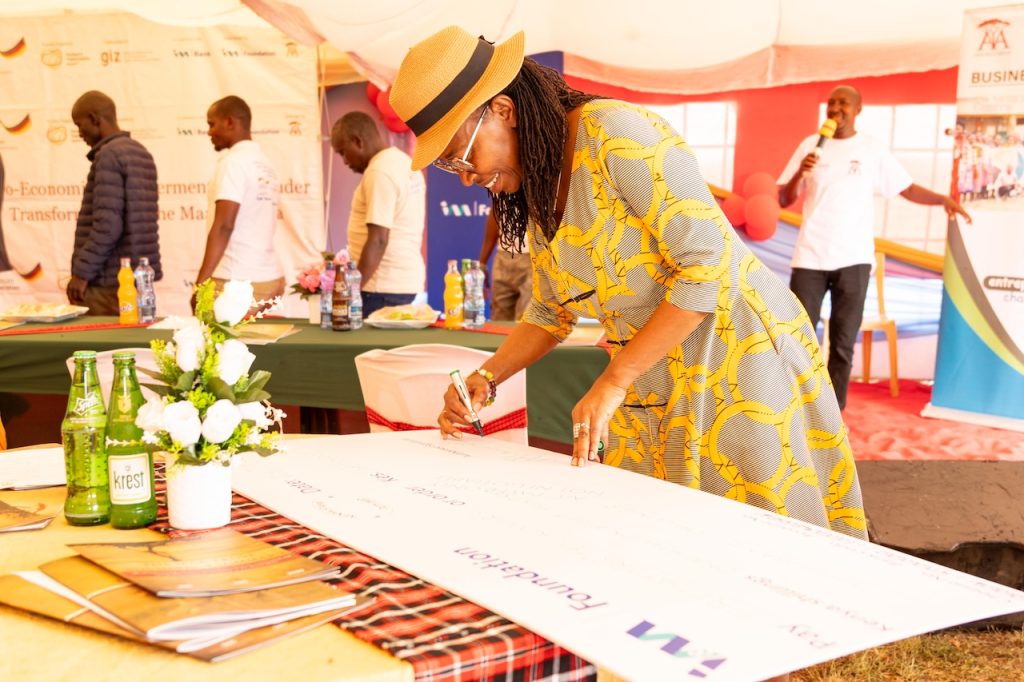
As part of the rollout, nine local entrepreneurs have received a combined Kes 1.92 million in seed funding, alongside scholarships and business support. The funding follows their participation in The Predator’s Den, a structured entrepreneurship programme that culminated in a live pitching competition.
A total of 140 entrepreneurs from seven communities across the Greater Mara Ecosystem took part in the programme. From this pool, 21 finalists advanced to a two-month mentorship and training phase before presenting their ventures to a panel of judges.
The initiative focuses on building practical capacity in business development, financial literacy and pitching skills, areas often out of reach for many in rural economies.
Speaking on the programme, Dipnah Shah, Sustainability Lead at I&M Foundation, emphasized the long-term vision behind the investment.
“Empowering entrepreneurs is one of the most effective ways to create sustainable change. The Predator’s Den is built on the idea that conservation can only succeed when communities have the skills, resources and confidence to thrive economically,” she said.
Linking Conservation to Economic Opportunity
The Greater Mara Ecosystem remains one of Kenya’s most ecologically significant regions, known globally for the Great Wildebeest Migration and its thriving tourism economy. Despite this, many local communities, particularly young people, have historically had limited access to the economic opportunities generated within the ecosystem.
Through this initiative, the partners are working to close that gap by supporting enterprises that respond to real community needs while aligning with conservation goals.
Kevina Wangai, Technical Advisor at GIZ, noted that sustainable development must balance both economic and environmental priorities.
“We are supporting entrepreneurs who are building businesses that not only strengthen livelihoods but also contribute to preserving the Maasai Mara ecosystem,” she said.
The programme is rooted in community-led implementation, with The Maa Trust ensuring that interventions reflect local realities. CEO Dr. Crystal Mogensen highlighted the importance of this approach.
“By linking entrepreneurship with conservation, communities are able to benefit directly from protecting their natural environment,” she said.
Spotlight on Local Innovation
The competition showcased a wide range of enterprises addressing everyday challenges, from food production and water access to digital services and eco-friendly solutions.
Carl Leitato Naurori, a bakery entrepreneur, emerged as the overall winner, receiving Kes 250,000 to scale a business with strong job creation potential.
In a move that also highlights the role of digital access, Martin Kiok was awarded a Kes 650,000 scholarship to expand his cyber café, which is already helping bridge the digital skills gap within the community.
Other winners included:
- Ann Kamakia – Livestock enterprise (Second Best Overall)
- David Kesierr – Water vending (Third Best Overall)
- Noormeshuki Kamakia – Textile and cultural wear (Best Adult Business)
- Sylvia Sanaipei – Poultry farming (Best Female Business)
- Anthony Lenkume – Barbershop (Best Youth Business)
- Valentine Muteyian – Honey production (Best Eco-Business)
- Joseph Maguta – Detergent solutions (Best Water-Related Business)
The awards were supported by partners including Uhama Foundation, Asilia, Aqua Nirvana Foundation and Saruni Basecamp Foundation.