Safaricom Sustainability Impact FY26 and Community Growth
How Safaricom Built a Business Around Purpose and Still Kept Growing
For years, conversations around corporate sustainability in Kenya have often sounded distant from everyday life. Big promises. Glossy reports. Vague targets. But Safaricom’s FY26 results tell a different story, one that ties business performance directly to classrooms, hospitals, climate action and community livelihoods across the country.
As the company marks 25 years in operation, Safaricom’s social impact agenda is increasingly becoming part of its identity, not just a side project attached to annual reporting. The telco’s latest figures show how deeply its sustainability strategy now sits inside the business itself, from education and healthcare to renewable energy and waste management.
At a time when Kenyans are questioning the role large corporations should play in society, Safaricom appears keen to position itself as a company trying to grow alongside the communities it serves.
A generation growing up with digital access
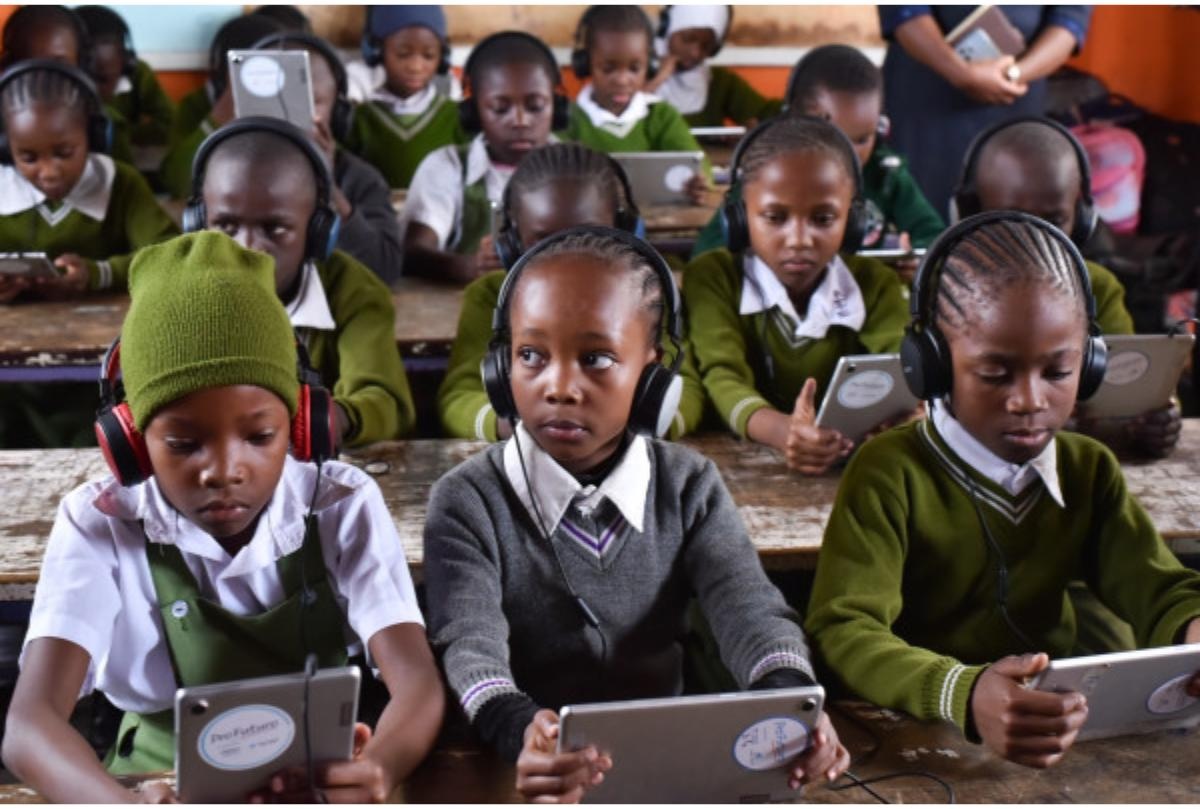
One of the clearest signals from the FY26 results is the scale Safaricom is now pursuing through education. Its Citizens of the Future programme has already reached more than 3 million learners, according to the company, with plans to double that impact over the next five years. The target is ambitious: 6 million beneficiaries across 500 schools.
The programme focuses on digital literacy, connectivity and access to technology in schools, an area that has become increasingly important as Kenya’s education system continues adapting to digital learning realities accelerated by the pandemic years.
In many rural and underserved communities, internet access still remains uneven. Schools without reliable devices or connectivity risk leaving students behind in an economy that is becoming more digital every year. Safaricom’s approach appears designed to narrow that gap early.
The long-term implication goes beyond classrooms. A digitally literate population feeds directly into Kenya’s future workforce, entrepreneurship ecosystem and innovation economy.
The numbers behind community impact
Through the Safaricom Foundation and M-PESA Foundation, the company says 4.4 million lives were directly impacted during FY26 alone. That support stretched across healthcare, education, economic empowerment and humanitarian response programmes.
Healthcare remains one of the most visible areas of intervention. Safaricom says free medical camps reached 72,883 people during the year, offering treatment and screening services in areas where healthcare access remains limited or expensive.
Meanwhile, the Uzazi Salama maternal health programme supported 8,063 mothers and children. In Kenya, maternal healthcare access still varies significantly depending on geography and income levels, such interventions often fill gaps the public systems struggles to cover consistently.
These programmes may not always dominate headlines, but they quietly shape how communities experience large brands. For many Kenyans outside Nairobi, corporate impact is often measured less by advertising campaigns and more by whether a clinic was equipped, a school connected or emergency support arrived during difficult periods.
The climate conversation is becoming harder to ignore
Safaricom’s sustainability push is also becoming increasingly environmental. The company says 35.7% of its network is now powered by green energy, supported by more than 2,000 solar-powered sites across its operations. In practical terms, that matters because telecom infrastructure consumes enormous amounts of energy, especially in regions where diesel generators still back up network connectivity.
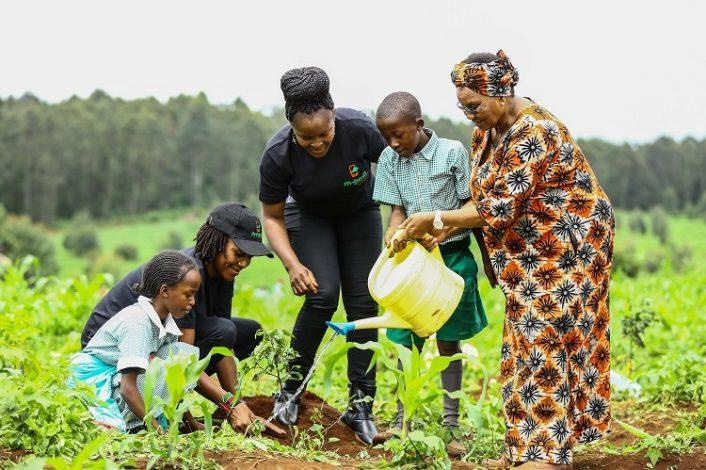
The company also reported planting 3 million trees, recycling 94% of its waste and processing 352 tonnes of network waste through recycling initiatives.
Those figures come as environmental accountability moves from optional corporate branding into investor and regulatory territory globally. Large companies are facing growing pressure to show measurable climate action rather than broad sustainability messaging.
Safaricom’s efforts were recognised internationally after receiving a Carbon Disclosure Project (CDP) “A” rating for the second consecutive year, placing it among companies globally recognised for environmental transparency and climate leadership.
That rating has become increasingly influential with global investors tracking environmental, social and governance performance.
Why purpose-led business is becoming commercially important
There was a time when sustainability conversations sat outside core business strategy. That is changing quickly. Investors increasingly evaluate environmental and social performance alongside financial results. Consumers, especially the younger audiences (Gen – z) also pay closer attention to how companies behave during economic hardship, climate crises and moments of social tension.
In Kenya, unemployment, healthcare access and climate pressures continues to affect millions, companies are under pressure to demonstrate relevance beyond profits. Safaricom’s challenge now will be maintaining credibility as expectations rise. Scale creates visibility and visibility brings scrutiny.
Still, the FY26 results show a company trying to connect commercial growth with long-term social investment in a way that feels increasingly intentional rather than symbolic.
After 25 years, Safaricom is no longer simply being measured by network coverage or mobile money dominance. It is also being judged by the footprint it leaves in communities, schools, hospitals and the environment itself.
And in today’s Kenya, that conversation matters more than ever.