Why Rural Entrepreneurship Support Matters in Kenya
Financial Inclusion Beyond Nairobi: Why Entrepreneurship Support in Places Like Maasai Mara Matters
Startups. Venture capital. Innovation spaces. Pitch competitions in the city.
But outside urban Kenya, there’s another kind of entrepreneurship growing quietly. Smaller businesses. Community-rooted ideas. People building livelihoods with limited access to funding, digital infrastructure, mentorship, or financial networks.
And honestly, that gap matters more than many people realise. Because financial inclusion is not only about opening bank accounts or mobile money access anymore. Increasingly, it is about whether people in far-off areas have real opportunities to build sustainable businesses, access funding, develop skills and participate in the wider economy.
That is part of what makes initiatives like Predator’s Den in the Maasai Mara worth paying attention to.
The Bigger Problem Isn’t Lack of Ideas
One of the biggest misconceptions about rural entrepreneurship is that people lack ideas. In many cases, the ideas already exist. The challenge is usually access. Access to capital. Access to mentorship. Access to markets. Access to digital skills. Access to confidence.
In regions like the Greater Mara Ecosystem, many young people grow up surrounded by one of Kenya’s most economically valuable tourism and conservation landscapes, yet remain excluded from much of the value it generates. That disconnect has existed for years.
Now programmes focused on entrepreneurship and local economic empowerment are trying to change part of that story from within communities themselves.

Predator’s Den Is Trying to Build Businesses From the Ground Up
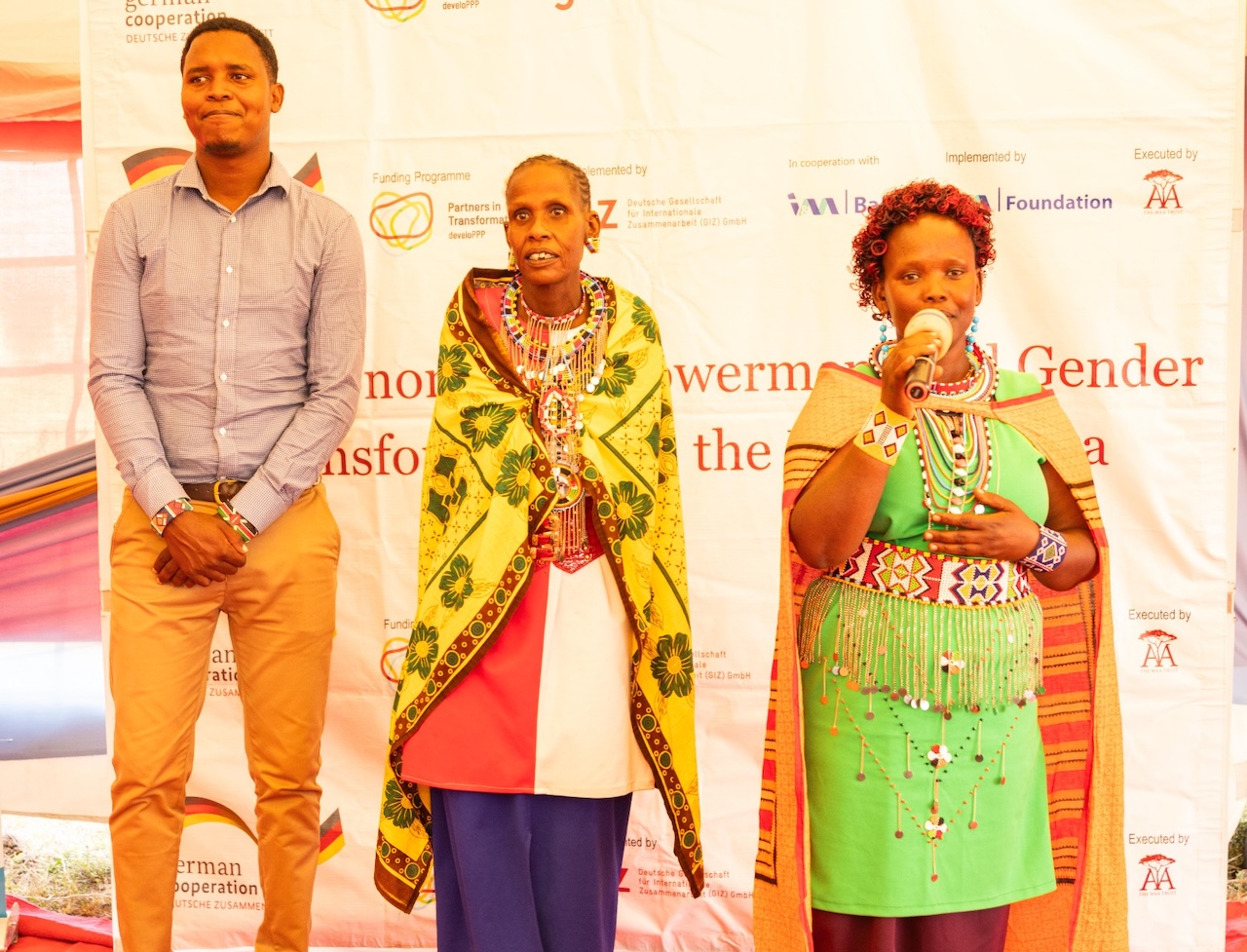
The Predator’s Den programme is part of a wider Kes 230 million initiative supported by I&M Bank Foundation, GIZ through the develoPPP programme and implemented by The Maa Trust within the Maasai Mara ecosystem. The broader goal is economic empowerment tied closely to conservation, livelihoods and long-term community sustainability. But what stands out about Predator’s Den is how local the businesses actually are.
The ideas coming out of the programme are rooted in everyday community realities: water access, food production,
digital services, textiles, detergent production, barbershops, livestock and eco-businesses.
Not flashy startup language. Not trend-driven tech pitches. Just businesses responding to real needs.
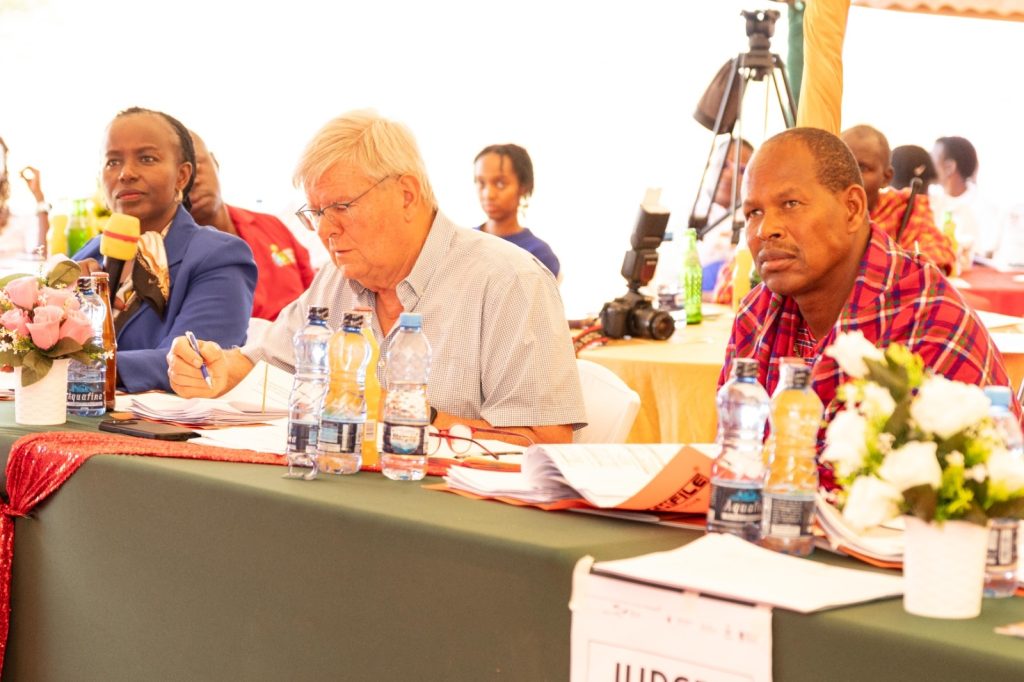
A total of 140 entrepreneurs from seven communities participated in the programme, with finalists receiving mentorship, business development training, financial literacy support and pitching guidance before presenting their ventures to judges. Nine entrepreneurs eventually received funding, scholarships and business support.
Financial Inclusion Looks Different Outside Cities
In urban Kenya, entrepreneurship conversations often centre around scaling quickly, raising investment, or building regional startups. In places like Narok County, the conversation can look very different. Sometimes entrepreneurship means starting a poultry business Or opening a bakery, Or creating access to clean water, Or running a cyber café that introduces digital skills into the community.
And those businesses matter deeply because they create local economic circulation where opportunities are often limited.
One of the programme’s winners, Martin Kiok, received a scholarship worth Kes 650,000 connected to his cyber café business, which is already helping community members build digital literacy skills. That kind of support can have ripple effects beyond one entrepreneur alone.
Samsung Galaxy Hangout Empowers Nairobi’s New Generation of Creators
The Link Between Conservation and Livelihoods
There’s also a bigger conversation happening underneath programmes like this. Conservation areas across Africa have long struggled with balancing environmental protection and local economic realities. Communities living near wildlife ecosystems are often expected to support conservation efforts while still dealing with unemployment, income instability and limited economic access.
That tension creates pressure. The Maa Trust says its approach focuses on linking conservation directly to community development so local families benefit economically from preserving the environment around them.
“By linking entrepreneurship with conservation, we are enabling communities to benefit directly from preserving their natural environment,” said Dr. Crystal Mogensen, CEO of The Maa Trust. That relationship between economic opportunity and conservation is becoming increasingly important in regions dependent on tourism and natural resources.
Why This Matters Beyond Maasai Mara
It would be easy to look at programmes like Predator’s Den as isolated community projects. But they point to a much larger issue in Kenya’s economy. Opportunity remains heavily concentrated around urban centres.
Meanwhile, many young people in rural counties still struggle to access the same financial systems, mentorship opportunities, and entrepreneurial support available in cities. If Kenya wants broader economic growth, that imbalance eventually has to change. Because some of the country’s next entrepreneurs are probably not sitting inside Nairobi coworking spaces right now.
They are somewhere far outside the city, trying to build businesses with whatever resources they can access. And sometimes, what they need most is simply a chance.