Tetra Pak Cuts Emissions by 34% to Boost Food Resilience
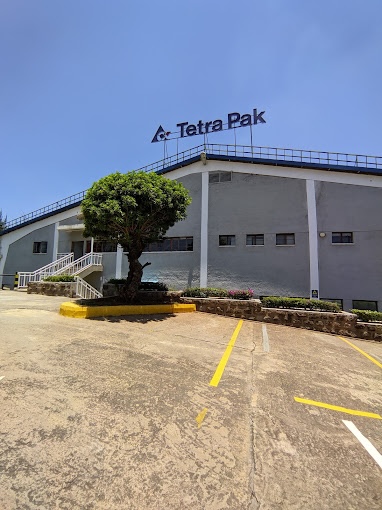
As climate pressures continue to challenge global food production, food processing and packaging company Tetra Pak says it is making steady progress in reducing its environmental footprint while helping build more resilient food systems.
In its newly released 2025 Sustainability Report, the company reported a 34 percent reduction in greenhouse gas emissions across its value chain since 2019. The achievement marks a significant jump from the previous year and highlights the company’s efforts to align climate action with long-term food security.
Tetra Pak also reduced emissions from its own operations by 56 percent and increased renewable energy consumption to 97 percent.
The company says the progress is part of a broader strategy to strengthen food systems at a time when climate change, resource constraints and population growth are putting increasing pressure on food production globally.
“Feeding a growing global population is becoming ever more complex as environmental risks intensify,” said Adolfo Orive, President and CEO of Tetra Pak. “We remain firmly committed to strengthening the resilience of the world’s food systems.”
To guide future investments and priorities, Tetra Pak introduced an integrated climate and nature risk and opportunity assessment in 2025. The assessment identifies areas where the company can improve resilience across its operations and supply chain while supporting more sustainable food production.
The company also updated its Approach to Nature framework and introduced new targets in response to evolving environmental challenges.
Several innovations launched during the year focused on helping customers reduce energy, utility and material consumption. Among them is Tetra Pak Factory OS, a new digital and automation platform designed to help manufacturers identify inefficiencies and minimise losses in their operations.
Tetra Pak also expanded its global innovation footprint by opening a Product Development Centre in Cholet, France, a Customer Innovation Centre in Bangkok, Thailand, and a New Food Technology Development Centre in Karlshamn, Sweden. The facilities are intended to help food producers test new products and scale innovations more efficiently.
The report highlights additional milestones achieved during the year, including an investment of approximately €100 million in packaging research and development. The investment led to the creation of what the company describes as the world’s first paper barrier for juice cartons, which has a 43 percent lower carbon footprint compared with traditional aseptic packaging that uses aluminium foil and fossil-based polymers.
Tetra Pak also signed a Memorandum of Understanding with the United Nations Industrial Development Organization to accelerate innovation aimed at decarbonising food systems.
Beyond environmental initiatives, the company reported that its school feeding programmes reached 68 million children across 52 countries, an increase of two million children from the previous year.
The company also expanded conservation efforts through its Araucaria Conservation Project, adding more than 1,600 hectares of land under restoration in 2025 alone.
Tetra Pak says it remains on track to meet its long-term climate goals, including reducing value chain emissions by 46 percent by 2030, sourcing 100 percent renewable electricity across operations by the same year and achieving net-zero emissions by 2050.