Why Flour Fortification Matters for Kenyan Families
What Happens Before Flour Reaches Your Kitchen?
A packet of maize flour often lands in the shopping basket with little thought beyond the price on the shelf. Yet long before that flour becomes ugali, porridge or chapati, it has passed through a process designed to make it safer and more nutritious for millions of Kenyans.
Inside modern milling plants, flour production is a tightly controlled system. Every grain of maize is checked, cleaned, tested and fortified before it reaches consumers. It is a process that many people never see, despite maize flour being one of the country’s most important foods.
That hidden process is now at the centre of the Cereal Millers Association’s new public awareness campaign, Chagua Safe. Chagua Smart., which seeks to help consumers understand what is really in their flour and why food safety and nutrition deserve as much attention as price.
The Journey Starts With Testing
The story of flour begins when a truck loaded with maize arrives at a mill. Before a single grain is unloaded, samples are taken for testing. The maize is checked for moisture levels, grain quality and one of the biggest food safety concerns in Kenya’s food system: aflatoxin.
Aflatoxins are naturally occurring toxins that can develop when maize and other cereals are poorly dried or stored. They cannot be seen, smelled or tasted, which makes laboratory testing one of the few ways to know if grain is safe.
If the maize does not meet the required standards, it does not enter the production system. Watching the process up close feels more like stepping into a food laboratory than many people would expect from a flour mill. Every stage is documented, measured and monitored.
The grain then passes through machines that remove dust, stones, metal fragments and other impurities. Only then does the actual milling begin.
A Few Grams That Make a Big Difference
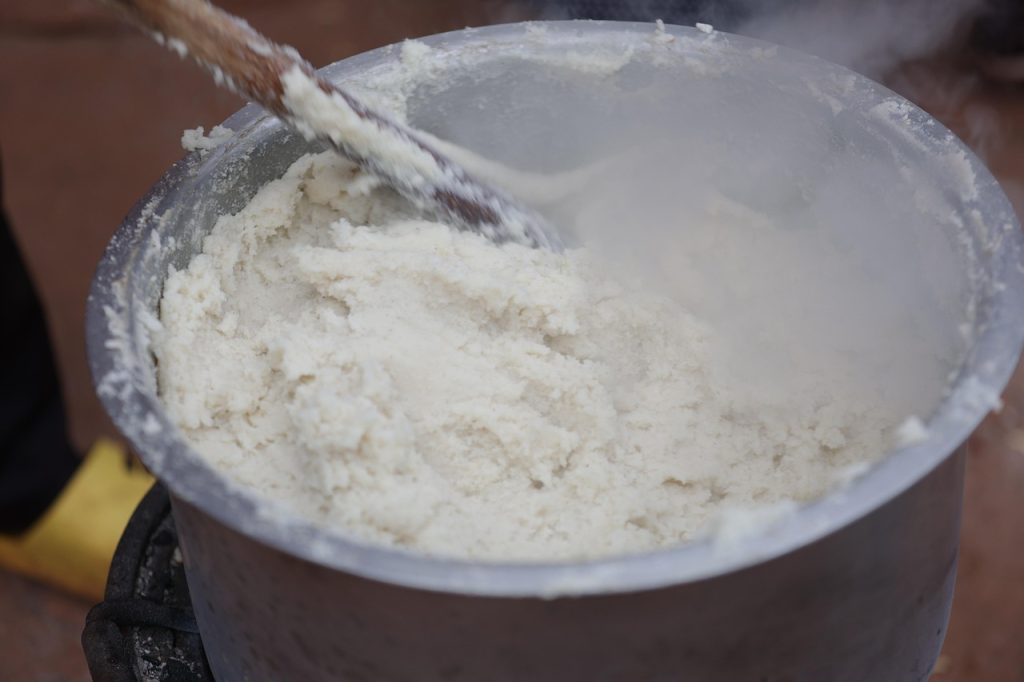
One of the most important moments in the entire process happens quietly. As flour moves through the mill, a small machine called a microfeeder adds a carefully measured blend of vitamins and minerals into the flour stream.
The amount added is tiny. The impact is enormous. This process is known as flour fortification.
In Kenya, the fortification of packaged maize and wheat flour is mandatory under the law. The nutrients added include iron, zinc, Vitamin A, folic acid and B vitamins, all of which are important for growth, immunity and general health. For many households, fortified flour may be the most regular source of some of these nutrients.
According to the Kenya Demographic and Health Survey, nutrition challenges remain a concern, particularly among children and pregnant women. Anaemia and micronutrient deficiencies continue to affect large sections of the population.
Because maize flour is eaten so widely across the country, it has become one of the most effective ways of improving nutrition at scale. In practical terms, a few grams of vitamins added inside a mill in Nairobi, Eldoret or Mombasa can eventually reach breakfast tables and dinner plates across Kenya.
Kenya’s Purple Tea Makes Paris Debut as Push for Premium Exports Gains Ground
Food Safety Is Built Into the Process
Fortification is not simply a matter of pouring nutrients into flour. Millers keep records, calibrate equipment and routinely test products to confirm that the right amounts of nutrients are added. Laboratories run spot checks and quality control teams monitor every step of production.
The process is also designed to protect food safety from beginning to end. Operators monitor production in real time from control rooms that resemble command centres, highlighting the high level of automation involved in modern flour production. Packaging lines are checked for hygiene and label compliance, while samples are taken continuously.
For consumers, much of this work remains invisible. The packet of flour on the supermarket shelf gives little indication of the number of checks that happened before it got there.
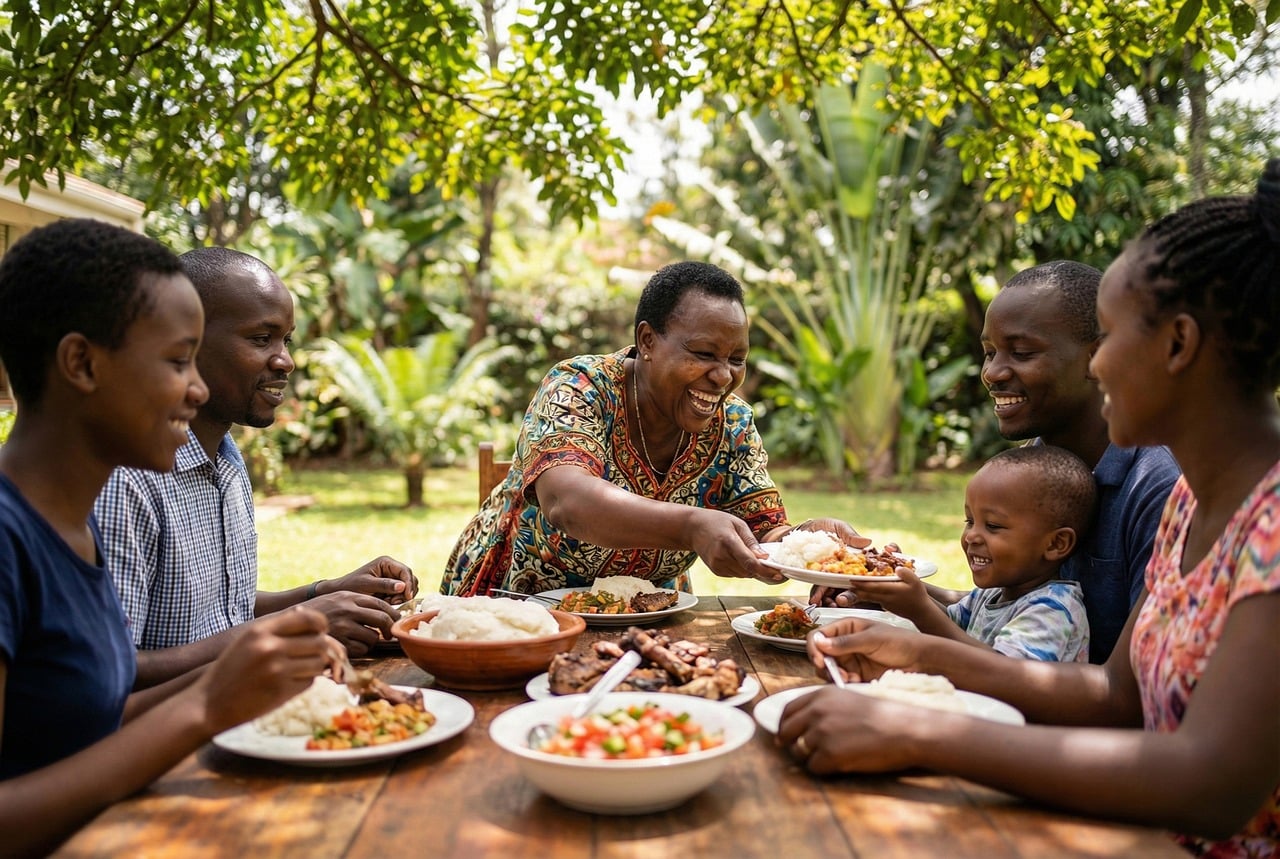
Yet these standards matter. A family preparing ugali in Nakuru or porridge in Kisumu may never see the testing equipment or the fortification machines. What they do see is food on the table that is safer and better able to support good nutrition.
That is ultimately the message behind Chagua Safe. Chagua Smart. Food choices are often driven by cost and familiarity. But understanding how flour is made, how it is tested and why it is fortified can help families make more informed decisions about one of the foods they consume almost every day.
The next time you buy a packet of maize flour, it may be worth looking beyond the brand name and the price tag. There is a whole system working quietly behind that bag to keep safety and nutrition in mind, one meal at a time.