Kenya Launches Emergency Repatriation From South Africa
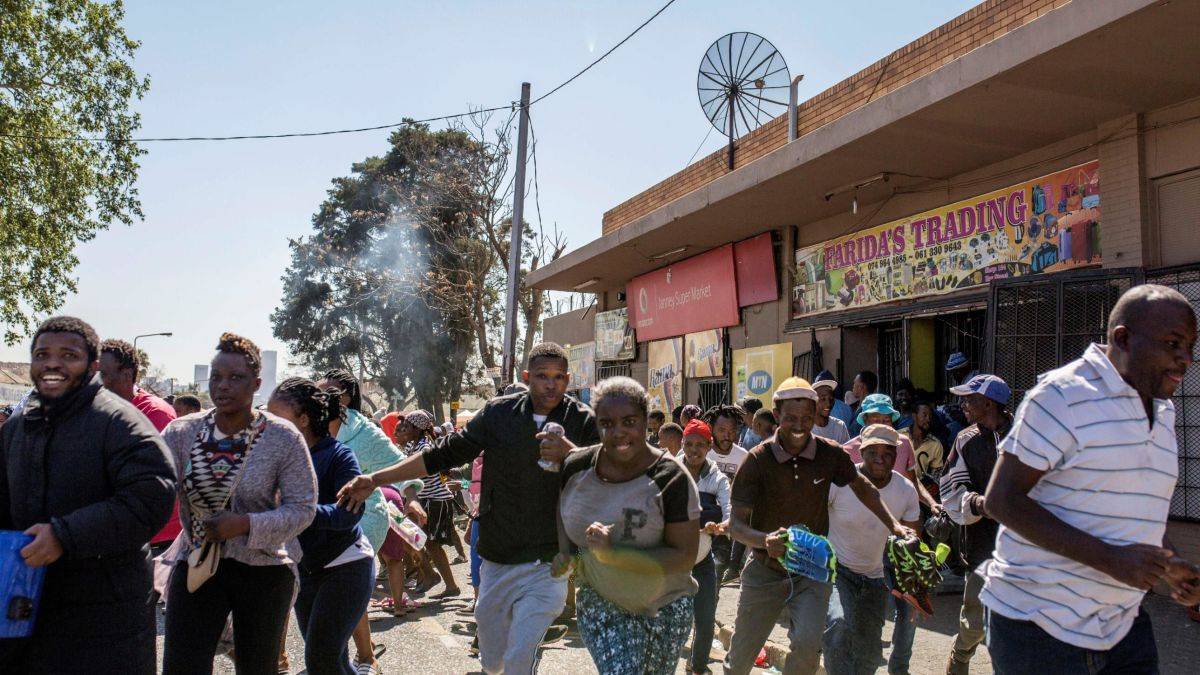
Those affected describe a climate of fear, with reports of homes being forcibly vacated and businesses ransacked
The Kenyan government has initiated an urgent repatriation operation to bring home nationals caught up in a surge of anti-foreigner attacks across parts of South Africa, where migrants report widespread evictions, looting of businesses and threats to their safety.
Kenya’s High Commissioner to South Africa, Elizabeth Choge, issued a formal notice on June 26 calling on affected nationals to report to the Kenyan High Commission in Pretoria between June 27 and July 3, 2026, to obtain travel documents and return home.
Many of those seeking assistance are understood to be in the country irregularly after losing identification papers amid the unrest.
“This is to notify you that several Kenyans from various parts of South Africa will be travelling to the Kenya High Commission in Pretoria,” the notice stated. The High Commission has appealed to South African authorities to guarantee safe passage for those making the journey.
At least 50 Kenyans have already requested government-assisted evacuation, with officials fearing dozens more remain in hiding or distress.
Diaspora Affairs Principal Secretary Roseline Njogu has instructed officials to fast-track emergency documents and prepare temporary safe houses for those awaiting flights home.
Those affected describe a climate of fear, with reports of homes being forcibly vacated and businesses ransacked in areas where anti-immigrant groups have issued ultimatums demanding foreign nationals leave by June 30.
The violence forms part of recurring tensions in South Africa, where economic hardship and high unemployment have long been exploited by populist and vigilante elements targeting African migrants and refugees.
Kenya estimates there are around 27,000 long-term Kenyan residents in South Africa, though community groups including the Kenyan Diaspora in South Africa (KEDASA) put the total figure – including students, professionals and short-term visitors – closer to 40,000.
The country joins several other African nations, including Nigeria, Ghana, Malawi and the Democratic Republic of Congo, in organising emergency evacuations.
Separate Diplomatic Incident
In a separate and diplomatically sensitive development, Somalia’s Deputy Prime Minister Jibril Abdirashid Haji was deported from Jomo Kenyatta International Airport (JKIA) after immigration officials questioned a Kenyan passport found in his possession alongside his valid Somali diplomatic documents.
Authorities suspected the Kenyan passport was fraudulently obtained. Haji declined to surrender the document for verification, according to immigration officials.
He was held overnight at the airport before being returned to Mogadishu.
The incident occurred days after President William Ruto and Somali President Hassan Sheikh Mohamud held bilateral talks intended to reinforce ties between the two countries.
Neither government had released a detailed public statement on the matter as of Friday.