Why Your Flour Storage Habits Could Be Ruining Your Food
You’ve bought a fresh packet of maize flour, tucked it into the kitchen cupboard and carried on with your day. It feels like the last step in putting food on the table. In reality, flour storage is just as important as choosing the flour in the first place.
The way flour is handled at home can affect its freshness, quality and safety. A few simple habits can help keep it in good condition from the day you buy it until the last scoop goes into the sufuria.
For many Kenyan families, maize flour is used almost every day. Whether you’re preparing ugali after work or making porridge before the school run, proper storage helps protect one of the most common foods in the kitchen.
Safe flour starts with good habits
Inside modern milling facilities, food safety begins long before flour reaches supermarket shelves.
Every consignment of maize is inspected and tested before it is accepted for milling. The grain is checked for moisture levels, quality and aflatoxins, naturally occurring toxins that can develop when cereals are poorly handled or stored. It is then cleaned, milled, fortified and packaged under controlled conditions before being distributed to shops across the country.
That careful process, however, continues at home.
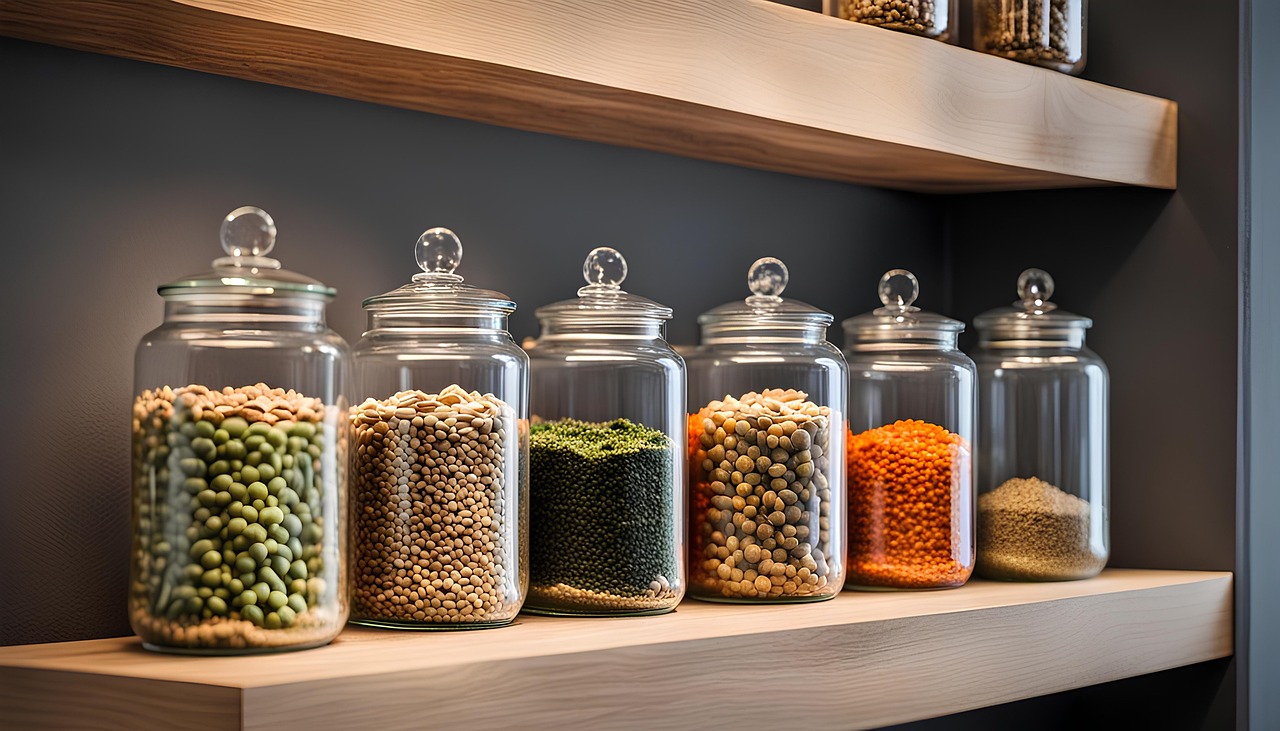
Once a packet is opened, flour should be kept in a clean, dry container with a tightly fitting lid. Moisture is one of its biggest enemies because it creates conditions that can affect quality over time.
It is also worth storing flour away from direct sunlight, heat and strong-smelling products such as detergents or paraffin. Flour absorbs odours surprisingly easily, something many people only notice when preparing a meal.
If you’ve ever reached into the cupboard only to find a packet that feels damp or has developed an unusual smell, you’ve already seen how storage conditions can change food.
Small mistakes can add up
Many kitchens have a corner where flour, rice and sugar are stored together. It is convenient, but it is worth checking that the area stays cool and dry throughout the year.
Another common habit is pouring new flour into a container before the old flour has been used up. Mixing fresh flour with older flour makes it harder to keep track of how long it has been stored.
Instead, use up the older flour, wash the container thoroughly and refill with a new packet.
It is also good practice to check the packaging before buying flour. Avoid packets that are torn, damaged or appear to have been exposed to moisture.
These small routines may seem ordinary, yet they help maintain the quality of the flour your family eats every day.
Food safety doesn’t end at the mill
The Cereal Millers Association (CMA), an association of millers and food processors, is encouraging more conversations about food safety and nutrition through its Chagua Safe. Chagua Smart. campaign.
One part of that conversation is recognising that food safety is a shared responsibility. Millers follow strict standards during production, but consumers also have a role to play once food enters the home.
Some simple steps like keeping the kitchen clean, storing flour properly, checking expiry dates and buying packaged flour from reputable outlets can support safer food handling.
Most of these habits take only a few minutes, yet they can make a meaningful difference over time.
The next time you prepare ugali for dinner or make porridge before the children leave for school, spare a glance at where your flour is stored. That cupboard or pantry may not seem important, but it is the final stop in a food safety chain that began long before the flour reached your kitchen.
Good food deserves good storage. Sometimes, protecting your family’s meals starts with something as simple as a dry container and a tightly closed lid.