Capture the Good and Kenya’s Creatives
Capture the Good Is Investing in Kenya’s Next Generation of Storytellers
Kenya has no shortage of creative talent. Scroll through Instagram or TikTok and you’ll find photographers documenting life in Kibera, filmmakers producing short films from Mombasa and content creators telling stories that resonate far beyond the country’s borders. What many creatives still struggle to find is a clear path from talent to a sustainable career.
That is where Capture the Good comes in.
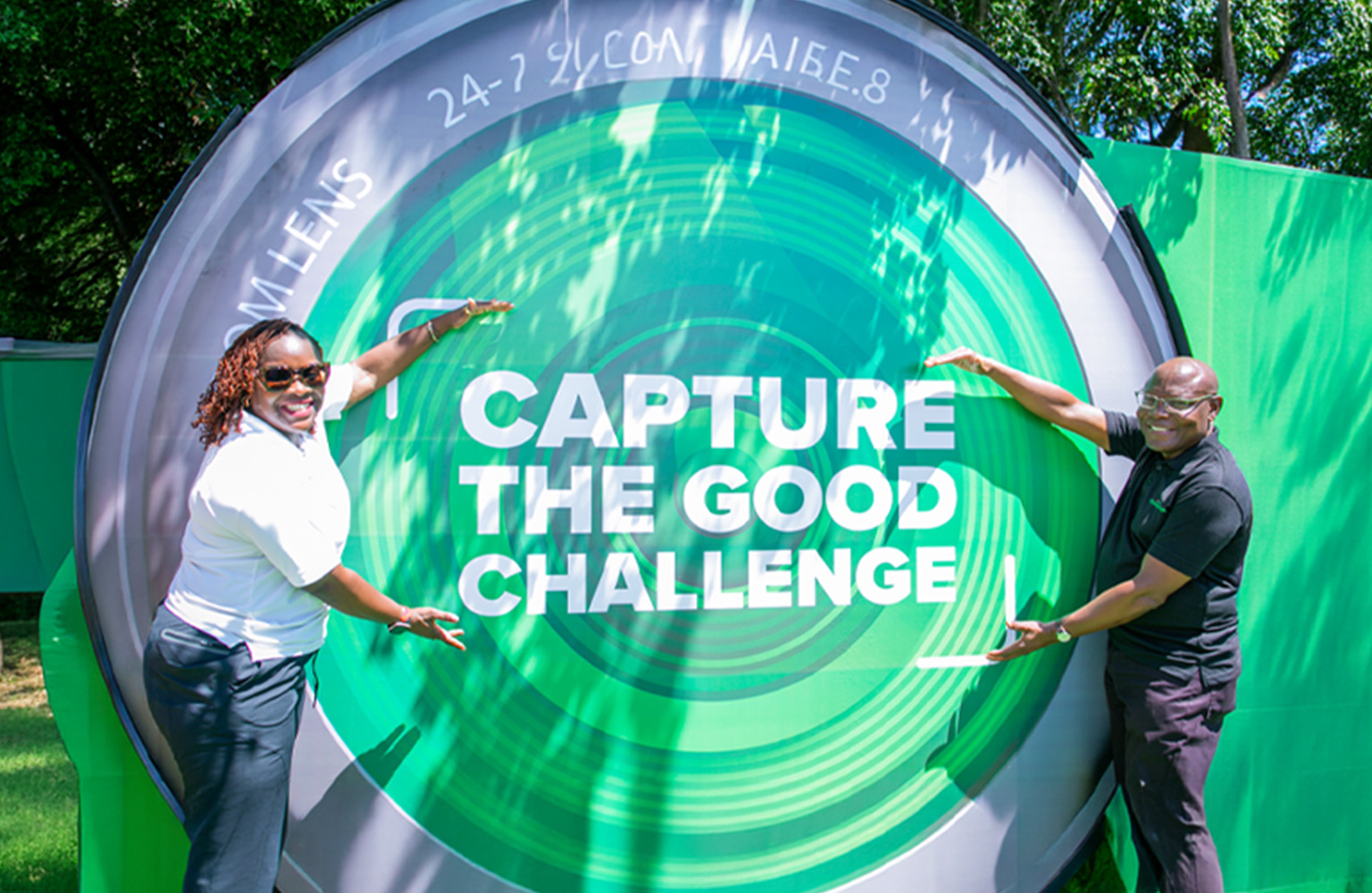
Created by the Safaricom Foundation and M-PESA Foundation, the nationwide photography and videography challenge asks creatives to document community projects that have transformed lives through education, health, environmental conservation and economic empowerment. But beneath the competition lies a much bigger ambition: helping build a stronger creative economy by connecting emerging storytellers with industry professionals, practical training and real-world experience. Participants choose from more than 250 community projects across Kenya, create visual stories from the field and progress through county, regional and national judging, with finalists attending an intensive masterclass before the winners are announced.
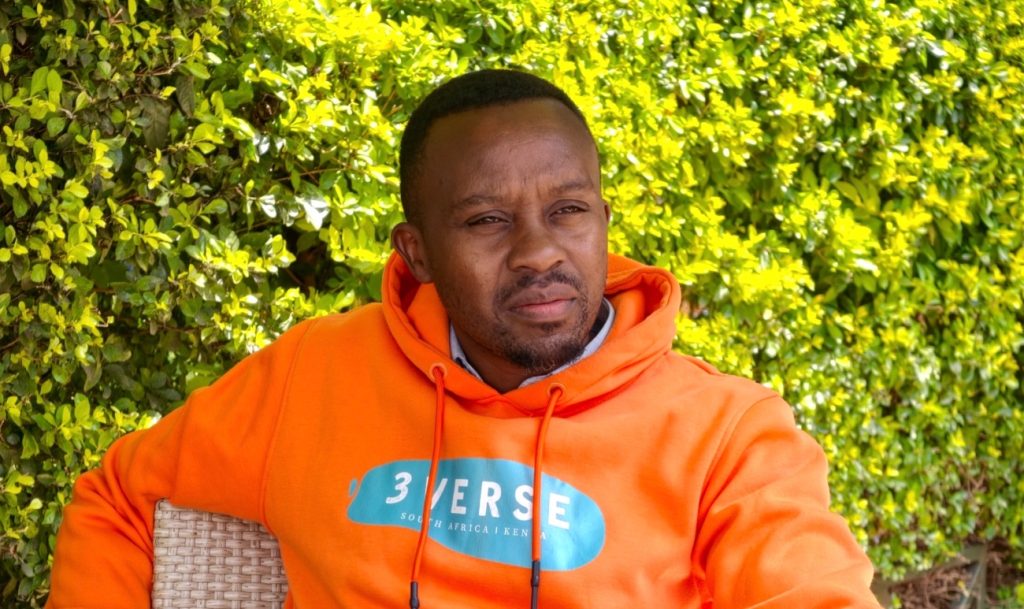
For Victor Kagema, Managing Partner and Director at creative agency 3verse, the brief was never simply about producing beautiful photographs.
“The client came to us with a challenge,” he says. “They were doing incredible work through the foundations, but many people didn’t know those stories. We wanted the people who understand those communities best to tell them.”
That thinking shaped the entire competition. Instead of commissioning another polished advertising campaign, the organisers handed the storytelling to Kenyans themselves.
A creator visiting a health facility in Turkana or an environmental project in Nyandarua isn’t working from a script. They are encouraged to observe, listen and interpret the stories through their own lens, bringing a level of authenticity that is difficult to manufacture.
Building careers, not simply choosing winners
Creative competitions often end when the prizes are handed over.
Capture the Good takes a different approach.
Participants whose work advances through the early judging rounds attend a masterclass led by some of Kenya’s most respected photographers, filmmakers and visual storytellers. Alongside technical sessions, organisers have deliberately included conversations around contracts, copyright, licensing and intellectual property, topics many young creatives only encounter after making costly mistakes.
Kagema understands why those lessons matter.
Early in his career as an actor, he appeared in a national public awareness campaign, only to later realise his image continued being used beyond the period covered by his contract. It was an experience that changed how he viewed creative work.
“I wanted lawyers and experienced creatives to speak to participants,” he says. “Some of them create incredible work, but they also need to know how to protect it.”
That practical approach reflects the realities of today’s creator economy. Whether someone is photographing weddings in Nakuru, producing branded content in Nairobi or filming documentaries in Kisumu, understanding ownership rights can be just as valuable as mastering a camera.
The competition also challenges another common assumption in creative circles: that expensive equipment automatically produces the best work.
“You can have someone using a phone who tells an incredible story,” Kagema says. “Someone else may have an expensive camera and fail to communicate the impact.”
That is why the judging considers storytelling, creativity, emotional connection and relevance alongside technical quality. Vivo, the competition’s mobile imaging partner, is also supporting training focused on smartphone filmmaking, recognising how mobile technology has expanded access to professional-quality content creation.
Looking beyond the lens
Among those helping evaluate the entries is filmmaker and director Phil Karanja, whose career has been built around telling stories that resonate with audiences across Kenya.
As a judge, he believes the strongest work often goes beyond technical perfection. A powerful photograph or short film should make people pause, ask questions and connect with the people behind the image.
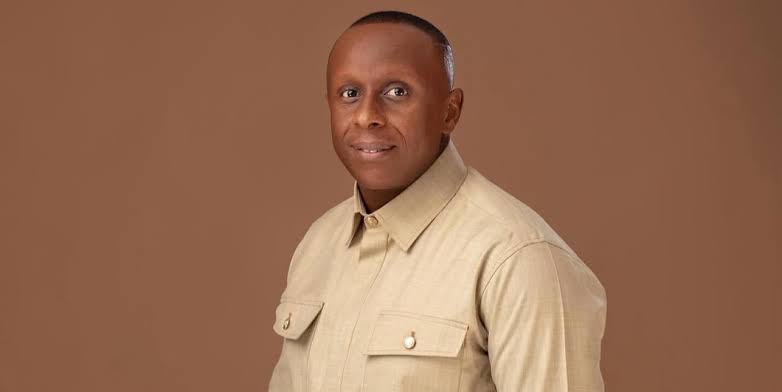
To Phil, the contest is about encouraging creators to take their time, to spend time with communities and to capture moments that feel honest rather than staged. Authenticity, empathy and curiosity are qualities that stay with an audience long after the camera is switched off.
That perspective fits naturally with the challenge’s broader mission. Kenya’s creative industry is growing quickly, fuelled by digital platforms, mobile technology and a generation of storytellers reaching audiences in ways that were almost impossible a decade ago. Yet many emerging creatives still struggle to access mentors, industry networks and opportunities to sharpen both their creative and business skills.
Capture the Good attempts to bridge that gap.
The involvement of respected industry figures, including photographers, cinematographers and filmmakers, gives participants direct feedback from professionals whose work has shaped Kenya’s visual storytelling landscape.
When the winners are eventually announced, the photographs and films will undoubtedly attract attention. Yet the competition’s lasting impact may be measured elsewhere.
Some participants will leave with a stronger portfolio. Others will build relationships that open new doors. A few may learn the lesson that Victor Kagema wishes someone had taught him much earlier: talent can get you noticed, but understanding the business behind creativity is what helps build a career.
And perhaps that is Capture the Good’s biggest contribution. It reminds Kenya’s young storytellers that every compelling image carries two stories. One is in front of the camera. The other is the future the creator builds behind it.