World Youth Skills Day: Investing in Kenya’s Youth
World Youth Skills Day: Why Investing in Youth Skills Is Investing in Kenya’s Future
As the world marks World Youth Skills Day, it’s worth reflecting on how far we’ve come in preparing young people for work, entrepreneurship and economic participation. More importantly, it’s time to ask what more must be done to give every young person a fair chance to succeed in a fast-changing economy.
The numbers paint a worrying picture. According to UNESCO, about 273 million children and young people remain out of school globally. At the same time, one in five people aged between 18 and 34 are not in education, employment or skills training. These figures highlight the growing need to equip young people with practical, future-ready skills that match today’s job market.
Technology is also reshaping the workplace faster than ever. UNESCO estimates that around 40% of today’s skills no longer match current labour market needs, while 22% of jobs are expected to change significantly by 2030 because of technological advances. This makes investment in education, technical training and lifelong learning increasingly important.
Kenya faces many of these same challenges. According to the Federation of Kenya Employers (FKE), the country continues to experience a gap between the skills many young people possess and those employers require. With nearly 75% of Kenya’s population under the age of 35, youth unemployment remains a major concern. Every year, more than one million young people enter the labour market, yet many struggle to find stable and meaningful work.
There has been encouraging progress. The Kenyan government has continued expanding Technical and Vocational Education and Training (TVET) institutions through investments in national polytechnics, county vocational training centres and constituency-based TVET programmes. These efforts have made practical, industry-focused training more accessible while positioning technical education as a credible pathway to employment and entrepreneurship.
But training alone is only part of the solution.
The real test is whether young people can turn those skills into sustainable careers and successful businesses. Graduation should be the beginning of opportunity, not the end of the journey.
Many skilled young people still struggle because they lack access to affordable financing, appropriate technology, business development support and reliable markets. These elements work together. Skills build capability, finance unlocks opportunity, technology improves productivity, and market access allows businesses to expand, create jobs and contribute to economic growth.
This is especially relevant for Kenya’s Micro, Small and Medium Enterprises (MSMEs), which make up the majority of businesses in the country and employ millions of people. Supporting youth-led enterprises therefore requires an ecosystem that gives entrepreneurs the resources, partnerships and opportunities they need to launch, sustain and grow their businesses.
One example is KCB Foundation’s 2Jiajiri Programme, implemented in partnership with the national government, county governments, TVET institutions, development partners and industry players.
Launched in 2016, the programme aims to improve livelihoods by equipping unemployed and out-of-school youth, particularly those in the informal sector, with practical vocational skills that lead to employment, self-employment and business growth.
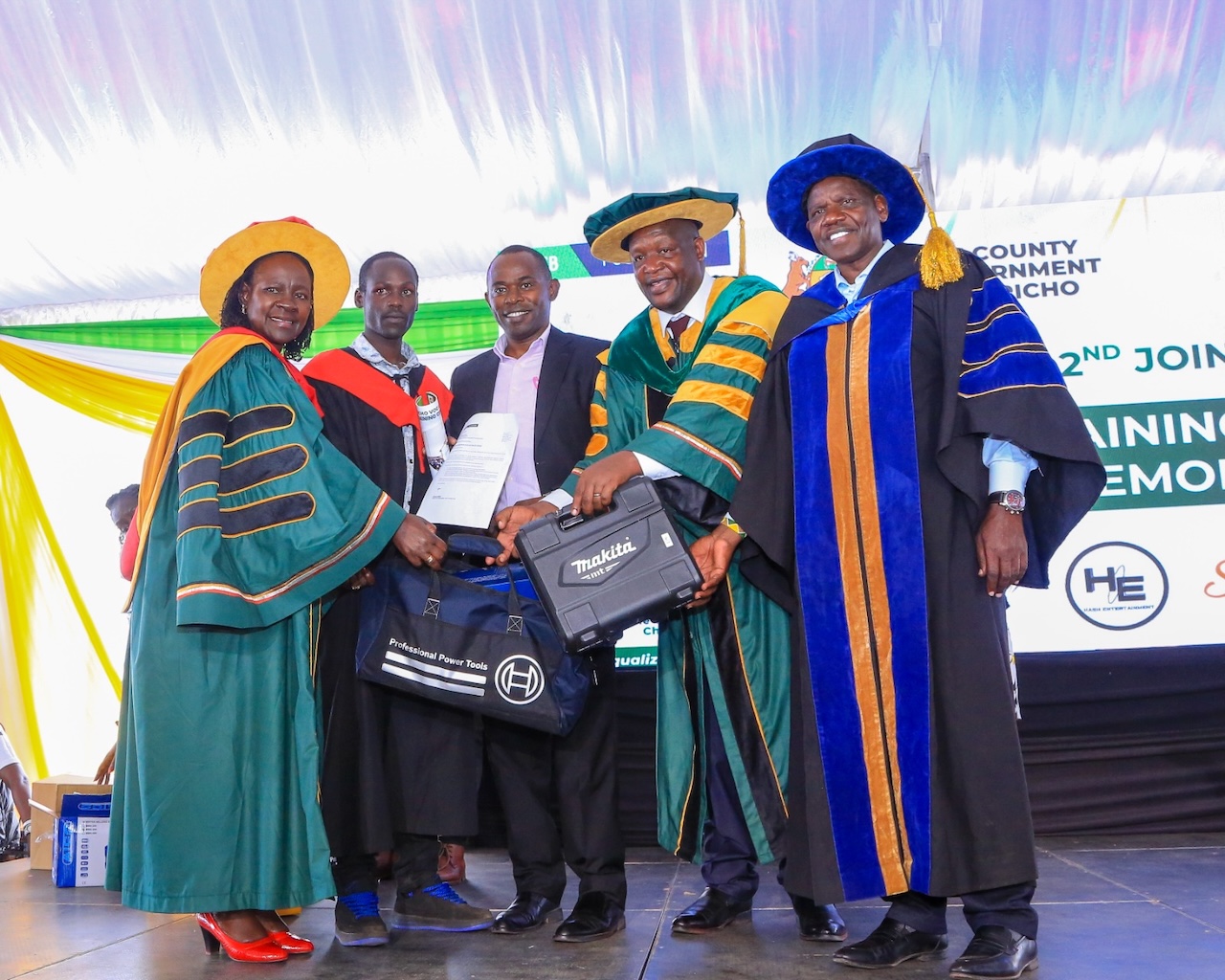
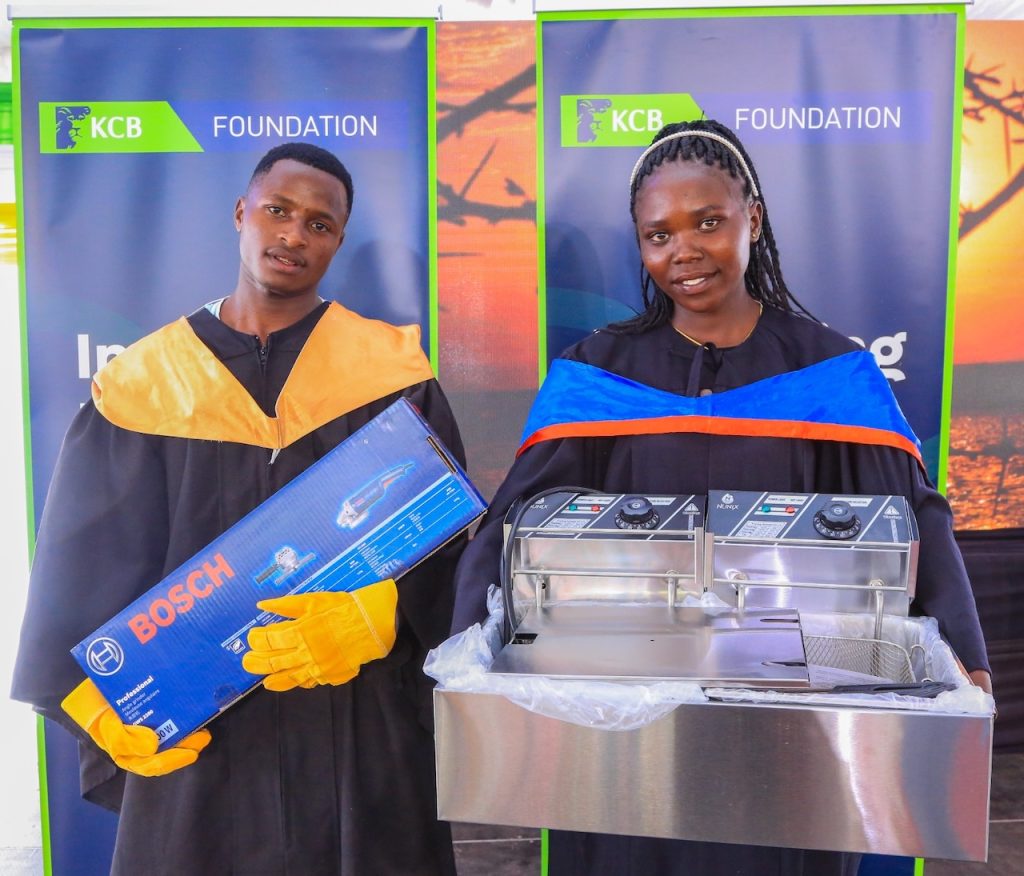
Beyond technical training, the initiative also provides business support through access to tools, networks and financing, helping young entrepreneurs establish sustainable micro and small enterprises. The programme recognises that lasting success depends not only on skills, but also on creating an environment where businesses can innovate, compete and grow.
As KCB Foundation Managing Director Mendi Njonjo puts it:
“Youth are not just the future of our economy; they are its present. By investing in practical skills, strengthening TVET education, and building partnerships that connect training to finance, technology, markets and opportunity, we are empowering young people to create sustainable livelihoods, build resilient enterprises, transform their communities and drive inclusive economic growth.”
Since its launch, the 2Jiajiri Programme has trained more than 35,000 young people, supported over 150,000 jobs, facilitated more than KSh1.7 billion in enterprise financing and distributed over 2,200 business start-up toolkits, helping thousands of young entrepreneurs establish and grow MSMEs across Kenya.
As Kenya continues to build a more resilient economy, investing in youth skills remains one of the country’s strongest opportunities. When young people have the right training, financial support and access to markets, they are better positioned to build businesses, create jobs and contribute to long-term economic growth.