
Kenyans Withdraw Billions From Boma Yangu Housing Scheme as Doubts Grow Over Ruto’s Affordable Homes Plan
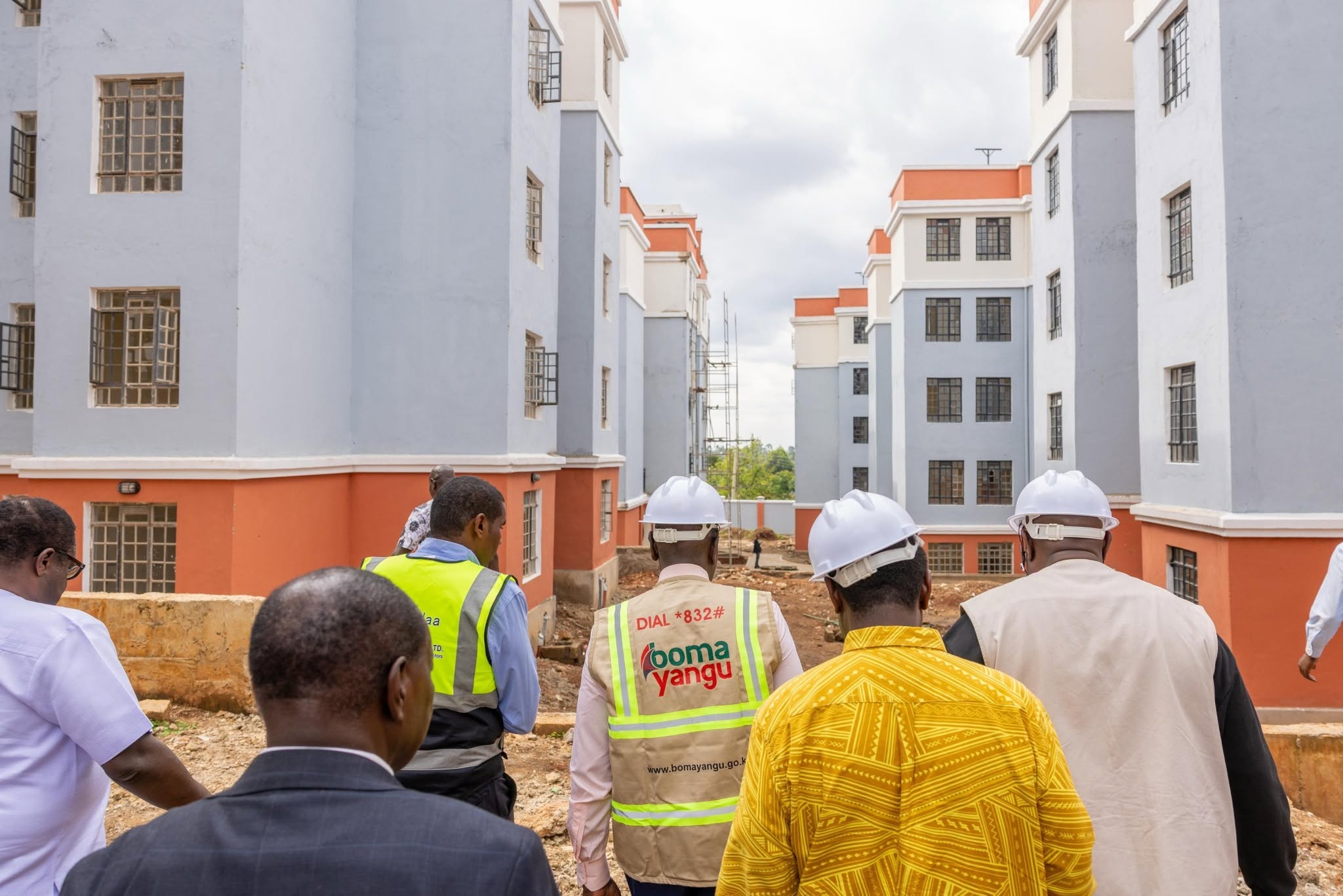
Housing officials insist the growing refunds should not be interpreted as a failure of the Affordable Housing Programme
Nearly half the money raised through Kenya’s Boma Yangu savings platform has been returned to contributors, new figures show, as growing numbers of ordinary citizens opt to withdraw rather than wait for homes promised by His Excellency Dr. William Samoei Ruto.
The surge in refunds comes amid persistent questions about the uptake and delivery of President Ruto’s signature Affordable Housing Programme, a cornerstone promise of his administration that has so far seen more than 270,000 units under construction but limited evidence of completed homes reaching the target demographic.
By mid-December 2025, the platform had mobilised Ksh5.47 billion in voluntary contributions. Yet refunds had reached approximately Ksh2.56 billion, according to updated data from the State Department. Net savings stood at around Ksh3 billion after accounting for investment returns.
A special audit of the Boma Yangu portal covering July 2020 to May 2025, released by Auditor General Nancy Gathungu, showed refunds rising more than threefold since President Ruto took office in 2022. While voluntary contributions during the final two years of former President Uhuru Kenyatta’s administration totalled Ksh1.33 billion, collections from July 2022 to May 2025 stood at Ksh1.14 billion. Refunds, however, jumped from Ksh177.5 million in the earlier period to Ksh610.7 million under the current administration.
“Between the 2020/21 and 2024/25 financial years, a total of Ksh2,467,694,080 was received as voluntary contributions under the Boma Yangu Scheme. Out of this amount, Ksh788,195,690 was refunded to prospective homeowners,” Gathungu said in the audit report.
The audit further found that the highest annual voluntary contributions were recorded during the 2020/21 financial year, when savers deposited Ksh741 million. The largest annual refunds during the audit period were recorded in the 2024/25 financial year at Ksh285.6 million.
More recent figures indicate that the 2025/26 financial year saw the biggest increase in activity, with refunds rising by Ksh1.77 billion while net savings expanded by Ksh2.08 billion compared with the previous year.
Government data also shows that by December 13, 2025, the Boma Yangu platform had collected Ksh3.84 billion in voluntary savings, of which Ksh2.24 billion had already been withdrawn. During the same period, registered users increased from 1.02 million to 1.26 million.
Housing officials insist the growing refunds should not be interpreted as a failure of the Affordable Housing Programme.
The State Department said the scheme was intentionally designed to allow voluntary contributors who have not been allocated a housing unit to reclaim their savings, together with accrued interest, after providing 90 days’ written notice.
Analysts and housing experts say the pattern reflects broader economic pressures facing ordinary Kenyans, including high living costs, inflation, and competing financial priorities. Many may be using the platform as a short-term savings vehicle rather than a long-term commitment to homeownership, they say.
Skeptics, however, point to concerns over project delays, location preferences, and the affordability of units even with subsidies.
On the other hand, the Ruto administration has defended the overall Affordable Housing Programme, touting it as a driver of economic growth and job creation through construction.


