Can African Creativity Build African Wealth?
Money has always had a place in art. It financed the Renaissance and, centuries later, helped South Korea transform music, film and television into industries worth billions while projecting its culture across the world. Great creativity has rarely survived on talent alone. Behind every thriving creative movement has been a market capable of rewarding it.
Africa has never struggled to produce extraordinary creativity. From music and film to fashion and literature, the continent’s cultural influence has travelled far beyond its borders. Yet beneath those achievements sits a question that has received far less attention than it deserves: can African creativity build African wealth?
Cultural Success
Few people have confronted that question as closely as Marie Lora-Mungai.
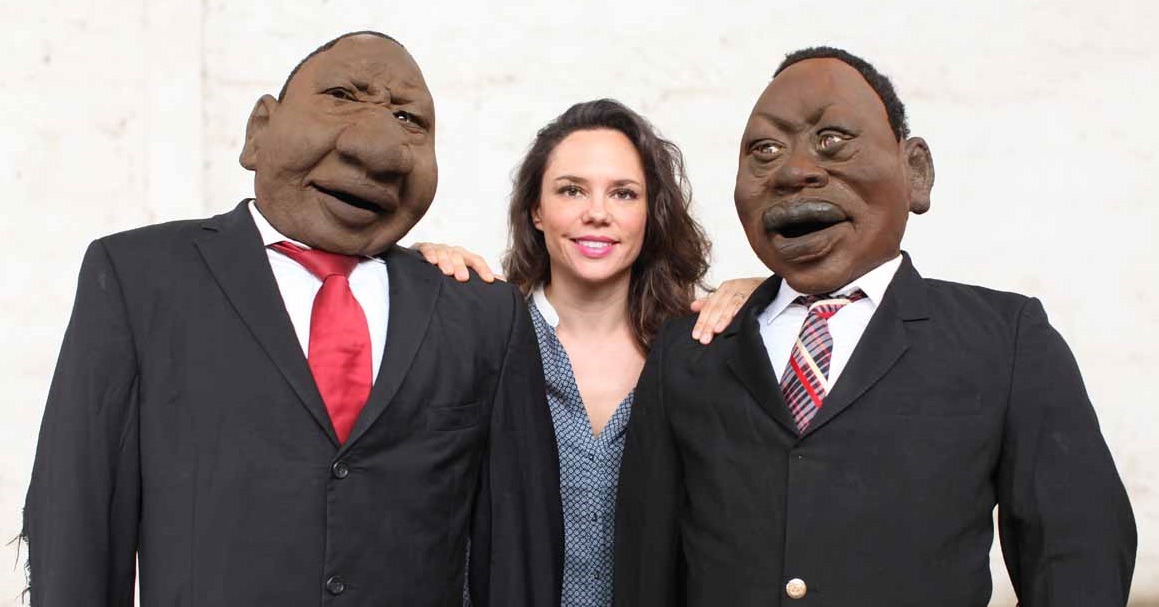
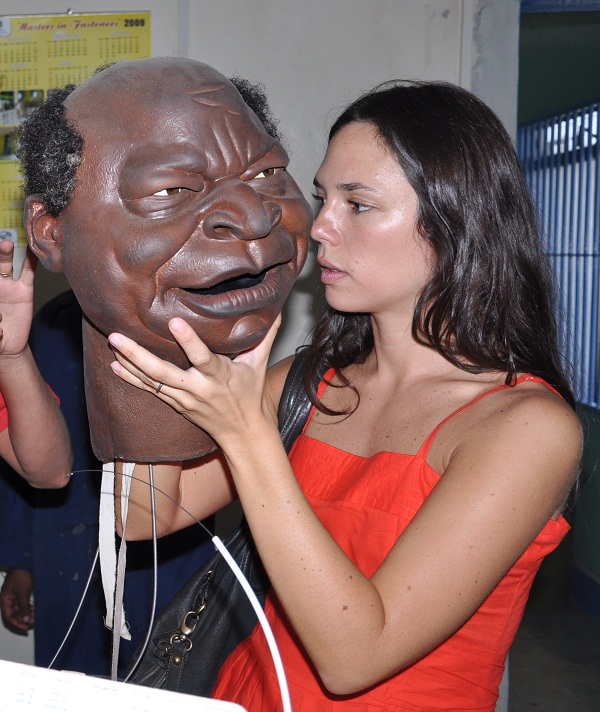
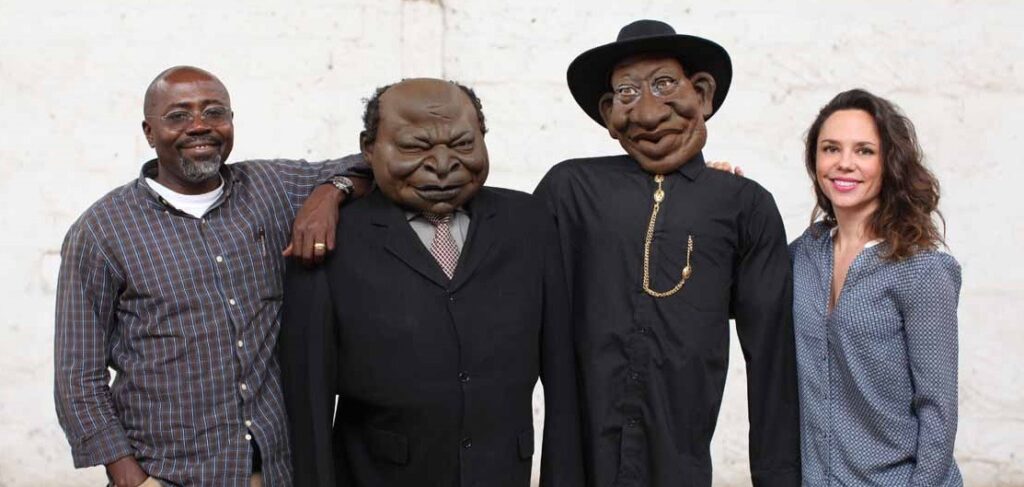
Long before she became one of Africa’s leading advisors on the creative economy, she co-founded The XYZ Show, a political satire that reached an estimated ten million viewers every month and became one of Kenya’s defining television programmes. By every creative measure, the show was a success. Commercially, however, it exposed a much bigger reality about Africa’s creative economy.
Looking back, Marie says the greatest obstacle was never a shortage of talent or audiences. The harder truth was that the market itself had limits. However widely The XYZ Show travelled, it eventually ran into the realities of a relatively small advertising market, and business models that struggled to convert widespread popularity into sustainable revenue. That experience reshaped how she understood the continent’s creative industries.
Market Limits
For years, conversations about Africa’s creative economy have centred on talent. The continent, after all, has never lacked storytellers capable of producing work that resonates both locally and internationally. Marie believes the real conversation should be about markets.
Creativity can attract audiences, but audiences alone do not build industries. Industries are built when broadcasters can afford quality content, intellectual property generates long-term value and businesses can consistently turn cultural impact into commercial returns. Africa’s challenge, she argues, is not producing creativity. It is creating markets that can sustain it.

Business Fundamentals
That perspective also challenges one of the most common assumptions about the sector. Whenever creative industries struggle, the instinctive response is often to call for more funding. Marie believes the conversation has moved beyond that.
Capital is increasingly available, but investors are looking for businesses with credible governance and clear pathways to growth. Great ideas may capture attention, but sustainable businesses attract investment. The next generation of African creative entrepreneurs, she argues, will need to become as fluent in finance and business strategy as they are in storytelling and artistic craft.
Governments also have a role to play, though not necessarily by funding individual productions. Instead, Marie believes they should focus on creating the policy, institutions and regulatory environment that allow creative businesses to grow, scale and compete.
Building Value
Evidence that this model can work is already beginning to emerge. Marie points to Kenya’s Vivo Fashion Group, which has grown into a business generating more than one billion shillings in annual revenue while creating employment and expanding across East Africa. For her, it demonstrates that African creativity can generate lasting economic value when supported by strong commercial foundations.
That distinction may prove to be the defining challenge for Africa’s creative economy over the next decade. The continent does not simply need more celebrated artists or internationally recognised productions. It needs more companies that own intellectual property, employ people, attract investment and build value that remains on the continent.
The Next Economy
For decades, Africa has answered one question with remarkable consistency. It has shown the world that it can produce world-class creativity.
The more important question now is whether it can build an economy capable of rewarding it.
If that happens, the continent’s greatest creative export will no longer be talent alone. It will be wealth created, owned and sustained by African creative businesses