PesaLink Fees Drop as KCB Makes Everyday Banking Cheaper
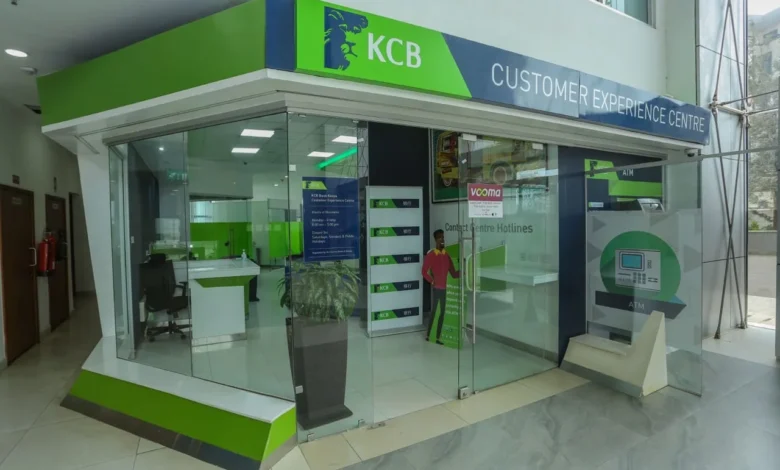
KCB Makes Everyday Banking Cheaper With New PesaLink Pricing and Digital Tools
Sending money through PesaLink just got more predictable for KCB customers. The bank has introduced a flat Kshs 20 fee for all PesaLink transfers, doing away with the tiered pricing structure that left many customers guessing what a transaction would actually cost. Even better, transfers of up to Kshs 1,000 are now free.
It’s a small change on paper, but it matters for the boda rider sending fare money home, the market trader settling a supplier, or the parent topping up school fees on short notice. These are the transactions that happen dozens of times a day across Kenya, and shaving off the guesswork around fees removes one more friction point from everyday financial life.
The pricing update sits inside a bigger story. KCB Group released its half-year results for 2026 this week, reporting a 20.8% rise in profit before tax to Kshs 49.3 billion. Behind the headline number is a bank leaning harder into digital tools that solve real, everyday problems for its customers rather than just chasing volume.
Bid Bonds Without the Branch Visit
For SME owners bidding on tenders, KCB has rolled out Bid Express, a digital platform that lets customers request and generate unsecured Bid Bonds from anywhere, without stepping into a branch. Anyone who has dealt with the back-and-forth of securing a bid bond through traditional channels will recognize what a shift this is. A process that used to eat up a business owner’s morning can now happen from a phone or laptop.
It’s the kind of tool that quietly changes how small businesses operate, cutting down the administrative weight that often falls hardest on entrepreneurs who don’t have a dedicated finance team.
The Numbers Behind the Convenience
None of this comes from nowhere. KCB’s gross loans grew 14.2% to Kshs 1.3 trillion during the period, driven by strong new-to-bank customer acquisition and increased lending across retail, SME and corporate segments. Asset quality also improved with the NPL ratio down to 15.1% from 18.7%, reflecting the positive impact of tighter credit discipline.
The loan-to-deposit ratio held steady at 78.8%, and Return on Assets remained stable at 3.3%, both indicators of a balance sheet that isn’t stretching itself thin to fund growth. That stability is part of what makes moves like the PesaLink fee cut possible. A bank managing its risk well has more room to pass savings back to customers.
Why This Matters for Everyday Users
Digital payment adoption in Kenya has always been shaped by cost as much as convenience. When fees are unpredictable or feel steep relative to the transaction size, people find workarounds, cash, informal transfers, whatever avoids the charge. A flat, low fee removes that hesitation and nudges more everyday transactions into formal digital channels.
Paired with tools like Bid Express, the message from KCB this half-year isn’t just about profit growth. It’s about making the bank easier to use for the person moving KShs 500 between accounts and the SME owner chasing a tender, at the same time.