SBM Bank, Safer Power Seal USD 17M Green Energy Manufacturing Deal
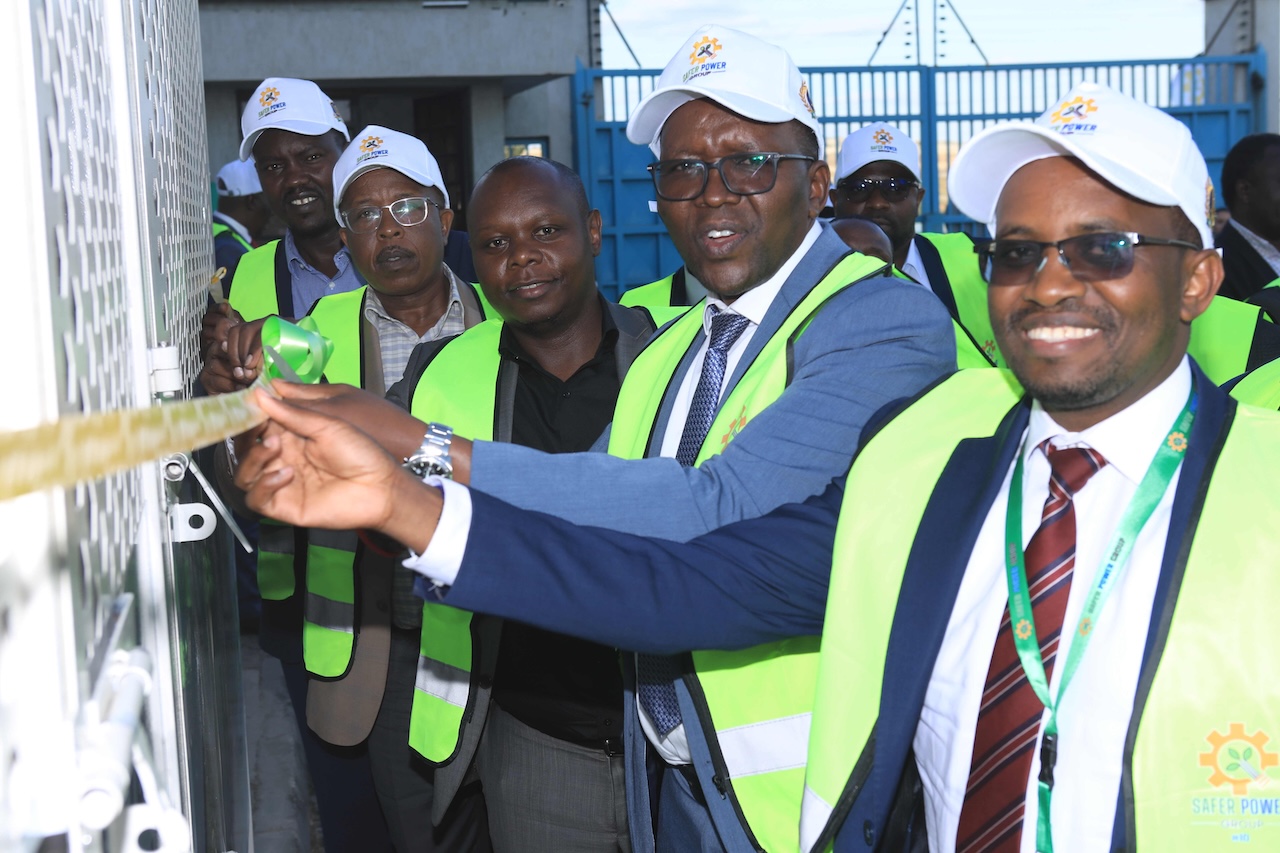
SBM Bank Kenya has committed USD 17 million in financing to Safer Power Group to support the development of a green energy manufacturing workshop and the construction of a new factory, in a deal aimed at expanding local production of critical power infrastructure.
The partnership between SBM Bank Kenya and Safer Power comes as demand for renewable energy and supporting infrastructure continues to grow across East Africa, creating a stronger case for local manufacturing and reducing reliance on imported equipment.
Safer Power, a licensed panel builder for global energy technology company Schneider Electric, will use the financing to significantly expand its manufacturing capacity for specialised electrical and power infrastructure.
The products include switchboards, control panels, synchronisation panels, distribution boards, meter boards, changeover systems and battery racks, among other equipment required across industrial and energy projects.
The investment comes against the backdrop of a rapidly expanding renewable energy market in East Africa. According to IMARC Group, the region’s renewable energy market reached USD 4.3 billion in 2025 and is projected to reach USD 7.1 billion by 2034, driven by rising energy demand, infrastructure investment, falling renewable technology costs and efforts to strengthen regional energy security.
For Africa more broadly, the International Renewable Energy Agency (IRENA) has highlighted the economic potential of an accelerated energy transition. Under its 1.5°C pathway, Africa could achieve an average GDP that is 6.4% higher through 2050 than under current planned policies, alongside stronger employment and wider socio-economic benefits. IRENA has also emphasised the importance of local manufacturing and supply chains in capturing more of the economic value created by the energy transition.
Financing the next phase of local energy manufacturing
Speaking at the partnership announcement, Edgar Mwandawiro, Chief Risk Officer at SBM Bank Kenya, said targeted financing would be critical to helping businesses respond to rising costs and climate-related risks while building more resilient local industries.
“Commercial enterprises face rising operational costs and escalating climate risks. Access to targeted capital is no longer just an ESG obligation. It is a necessary catalyst to unlock industrial resilience and energy sovereignty for our economy,” he said.
For Safer Power, the financing is expected to address some of the capital-intensive requirements that continue to constrain local green energy manufacturers, including specialised equipment, production facilities and technology.
Dalmus Mbai, Chief Executive Officer of Safer Power Ltd, said local manufacturers face significant financing and supply-chain challenges despite growing demand for clean energy infrastructure across the region.
“Local green energy manufacturers across East Africa face significant financial hurdles, from high upfront capital investments for specialised equipment to severe credit gaps and heavy reliance on expensive foreign supply chains,” he said.
Mbai said expanding local engineering, assembly and green hydrogen technology capabilities could help reduce import dependence while creating skilled employment and lowering the cost of the energy transition for industries.
The investment also reflects the growing importance of local manufacturing to Africa’s energy transition. IRENA has noted that localisation of renewable energy supply chains can help countries capture more domestic economic value while creating jobs and building technical capabilities.
SBM Bank shifts further towards business lending
The deal comes as SBM Bank Kenya continues to expand its lending to businesses and the broader private sector.
The bank’s net loan book surpassed KSh 50 billion for the first time in 2026, rising 18.3% year-on-year to KSh 54.09 billion by the end of June. Customer deposits increased 23.5% to KSh 94.03 billion during the same period.
The growth reflects the lender’s broader strategic shift towards increasing its exposure to businesses, including micro, small and medium-sized enterprises, while reducing its reliance on government securities.
The Safer Power financing adds a significant industrial and sustainability dimension to that strategy, directing capital towards the expansion of manufacturing capacity in a sector expected to play an increasingly important role in East Africa’s energy future.
For Kenya, the investment could also strengthen the country’s position as a regional hub for the manufacture and supply of specialised power equipment, particularly as industries, infrastructure developers and energy companies seek more resilient and locally supported supply chains.