ELEV8 Live Powered by NCBA: Kavella and Tezrah on Building Sustainable Careers
Kenya’s creative economy is worth talking about in numbers first. It contributes close to 5% of the country’s GDP, a sign that music, fashion and performance are no longer side hustles but real industries. Yet for most young artists, talent alone rarely translates into a lasting career. What’s often missing is the business side: how to manage money, build a brand and stay relevant once the initial buzz fades.
That gap is exactly what ELEV8 Live Powered by NCBA was built to close.
The programme pairs emerging musicians with mentorship, financial literacy training, branding support and direct exposure to the entertainment industry. The goal isn’t just to help artists sound better. It’s to help them think like entrepreneurs, so the career survives past the first single.
ELEV8 Live artists like Kavella and Tezrah, shared what that actually looks like in practice.
From Boy Band to Business Mind: Kavella’s Solo Journey
For singer-songwriter Derrick Mbithi, known as Kavella, ELEV8 arrived at a pivotal point. He was stepping out of a boy band and into a solo career and quickly realised that writing good songs was only half the job.
Through the programme, he picked up practical skills in financial management, branding and media training, the kind of knowledge that rarely gets taught alongside music lessons. One session stuck with him in particular: a financial literacy talk led by Nelly Wainaina, NCBA Group’s Director of Marketing, Communications and Citizenship, who surprised the room by singing the ELEV8 artists’ songs word for word. It was a small moment, but it told Kavella something bigger: NCBA’s involvement wasn’t just sponsorship on paper. There was genuine belief behind it.
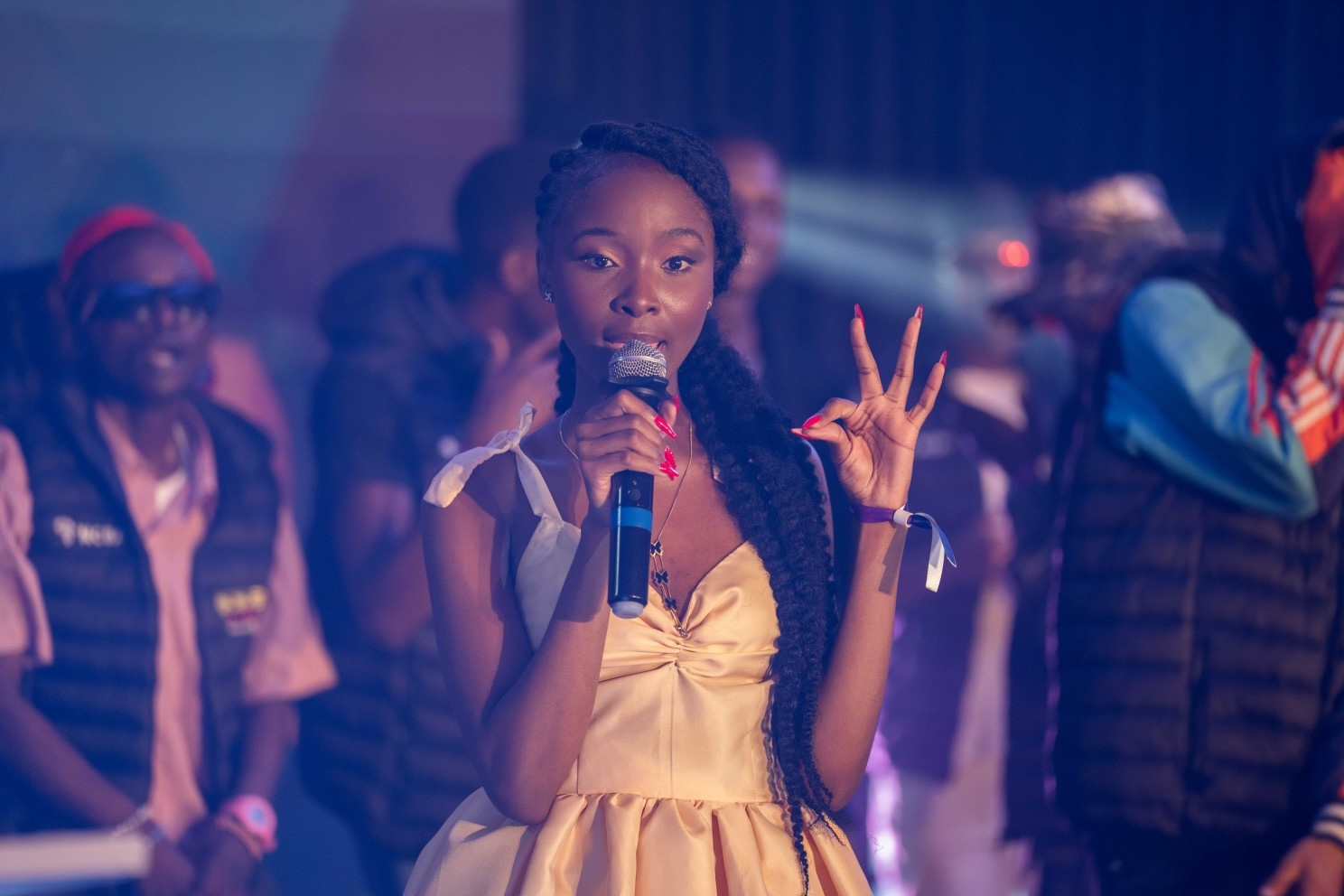
Kavella also performed his latest single, “Hello,” built around his signature mix of soulful vocals and live guitar. Much of his songwriting draws from everyday life, using storytelling to open up conversations about social issues that matter to him.
His advice to other artists chasing a similar path is simple: “Don’t rush the process.” Building something that lasts, he says, takes patience, consistency and a willingness to keep learning.
Tezrah: Turning Stage Fright Into a Fashion Brand
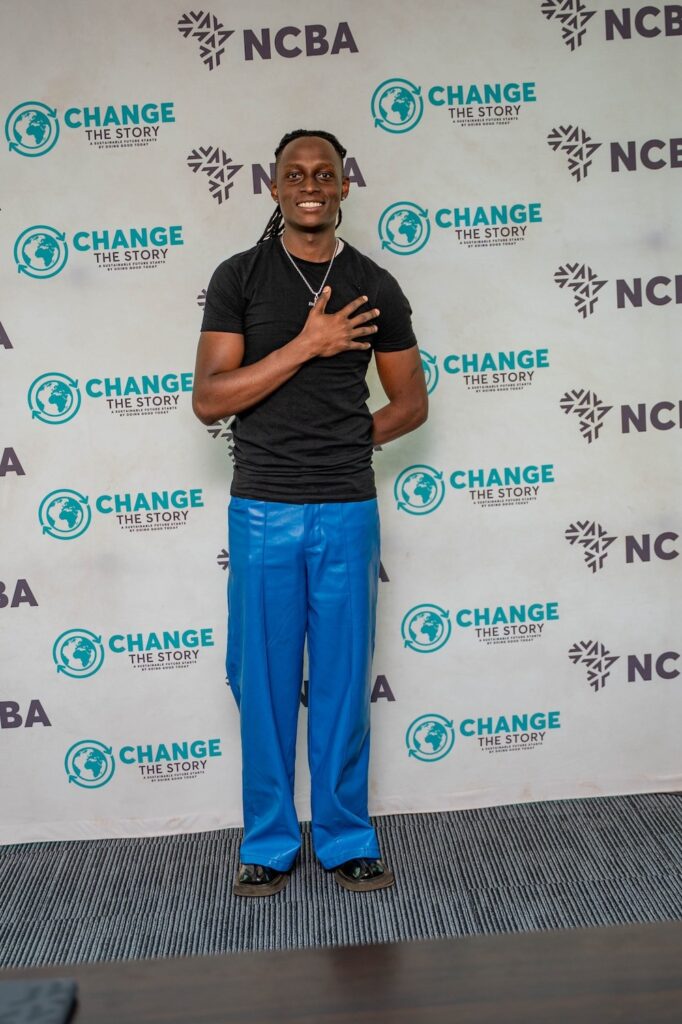
Tezrah Malia‘s path through ELEV8 has been just as much about confidence as it has about craft. She describes her sound as a fusion of dancehall and Afropop, and points to her breakout track “Worst Combi,” which she wrote and later produced alongside award-winning producer Motif Di Don, as a turning point.
Stage fright used to hold her back. Through ELEV8’s mentorship and repeated performance opportunities, she’s grown into a far more confident performer, one who can now hold a room instead of dreading it.
The programme has also fed her entrepreneurial side. During the interview, she wore a coat she designed herself, with her mother’s support, under her own fashion label, Its Stylish. The financial literacy skills she picked up through ELEV8 aren’t just helping her manage a music career; they’re helping her build a business that exists alongside it.
Her message to artists starting out: “Go for it. Talent may get you noticed, but discipline will keep you in the game.”

Where AI Fits Into the Picture
Both artists were asked about artificial intelligence, a subject that tends to make musicians nervous. Neither Kavella nor Tezrah sees it that way. For them, AI is a tool, not a threat, one that can sharpen creativity, speed up production and help artists reach audiences they wouldn’t otherwise find. Used with the right strategy, Kavella says, it becomes another way to work smarter rather than a replacement for the work itself.
The Bigger Picture
ELEV8 Live Powered by NCBA is betting that Kenya’s next generation of music stars need more than studio time and stage lights. They need financial literacy, mentorship, branding know-how and room to build something beyond the mic, whether that’s a fashion label, a production career or simply a business that outlasts a trend cycle.
Kavella and Tezrah are two examples of what that support can look like in practice. As Kenya’s creative economy keeps growing, the bigger question the programme raises is one worth asking more broadly: what do emerging artists actually need most to build sustainable careers? Funding, mentorship, industry networks, business skills, or some combination of all four?