KPC Inuka Tech Fellowship Places 30% in Jobs
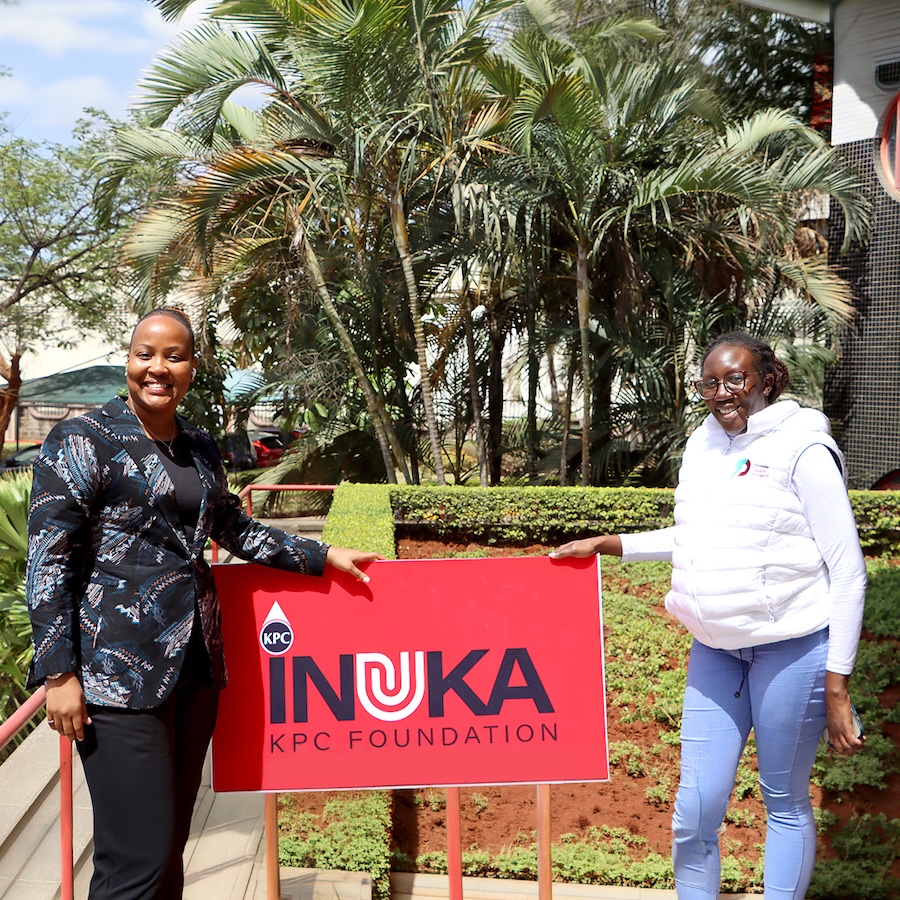
Kenya Pipeline Company PLC (KPC) is reporting a 30 per cent employment absorption rate among the first cohort of its Inuka Tech Fellowship, highlighting the role of market-led training in helping young technology professionals transition from skills development into employment.
The six-month fellowship, implemented through the KPC Foundation, combines technical training, mentorship, practical assignments and industry exposure to prepare young Kenyans for roles in the country’s growing digital economy.
KPC hosted members of the inaugural cohort at its headquarters on September 22, 2026, where the young professionals toured the company’s operations and engaged with KPC leadership. The visit gave fellows an opportunity to see how technology and data are applied within a large industrial organisation.
The first cohort attracted more than 1,000 applications, with 30 young professionals selected to participate.
According to Mumbi Ndung’u, Co-founder and Executive Director of Power Learn Project (PLP), a programme partner, 30 per cent of the trainees have already moved into gainful employment.
“The programme boasts a 30 per cent absorption rate of trainees into gainful employment,” said Ndung’u.
Training built around employer needs
The Inuka Tech Fellowship follows an apprenticeship-style model, with the curriculum shaped around skills demanded by employers.
Fellows receive training in areas including Python, machine learning, dashboard development, automation tools and data storytelling. The programme also exposes them to practical challenges across sectors such as energy, fintech, healthcare, logistics, retail and the public sector.
Rachel Gathoni, KPC Foundation Manager, said the programme was developed in response to a gap between the skills employers are looking for and those available among young jobseekers.
“Employers are saying, ‘We can’t find the right people,’ while graduates are saying, ‘There are no job opportunities.’ This is where we come in; we assess the gap and try to fill it through these programmes,” said Gathoni.
The approach means the fellowship does not rely solely on conventional classroom training. Industry requirements help shape the curriculum, while fellows gain experience through attachments, simulations, mentorship and practical projects.
From training to real-world problem solving
The practical component was demonstrated during a hackathon held at iHub in Lavington, Nairobi.
The 30 fellows worked in teams to develop digital solutions for a KPC Foundation technology challenge. The project focused on improving how the Foundation manages programmes, beneficiary information, reporting and impact.
The fellowship also includes masterclasses, hackathons, peer learning and global certification, giving participants exposure to both technical and workplace skills.
According to KPC Foundation, the programme is designed to prepare fellows for roles including Fibre Optic Technician, Operational Data Analyst, Business Intelligence Analyst, Energy Analytics Specialist, Supply Chain Analyst and Predictive Analytics Engineer.
The programme also provides participants with access to a professional network and a pathway to employment through PLP’s Talent Hub ecosystem.
A focus on inclusion
Half of the 30 fellows in the inaugural cohort are women, reflecting the programme’s focus on increasing participation in technology and engineering-related fields.
For participants, the fellowship provides an opportunity to complement technical skills with industry exposure, workplace experience and direct interaction with professionals.
The reported employment outcomes from the first cohort also point to the potential of programmes that connect training more closely to employer requirements. However, the 30 per cent figure represents the first cohort and does not by itself establish the programme’s long-term employment impact.
KPC Foundation seeks wider partnerships
The Inuka Tech Fellowship forms part of KPC Foundation’s wider youth empowerment and skills development programmes.
The Foundation, the philanthropic arm of Kenya Pipeline Company PLC, was established in 2016 and registered as a Charitable Trust in 2023. KPC says it commits at least one per cent of its profits to community programmes.
As the Foundation looks to expand the fellowship, it is seeking partnerships across sectors including finance, agriculture and technology to create additional opportunities for skills development and employment.
For KPC Foundation, the focus is on connecting three parts of the employment equation: what employers need, what young people are learning and the practical experience required to move into the workplace.
“The market informs the curriculum; students are trained, and thereafter they go for attachment and secure jobs,” Gathoni said.
The first cohort’s 30 per cent employment absorption rate provides an early indication of what that model can achieve, while future cohorts will provide a broader picture of how effectively the fellowship can support young Kenyans moving from technical training into long-term careers.