Absa Kenya H1 2026: Profit Falls, Sustainable Lending Target Holds
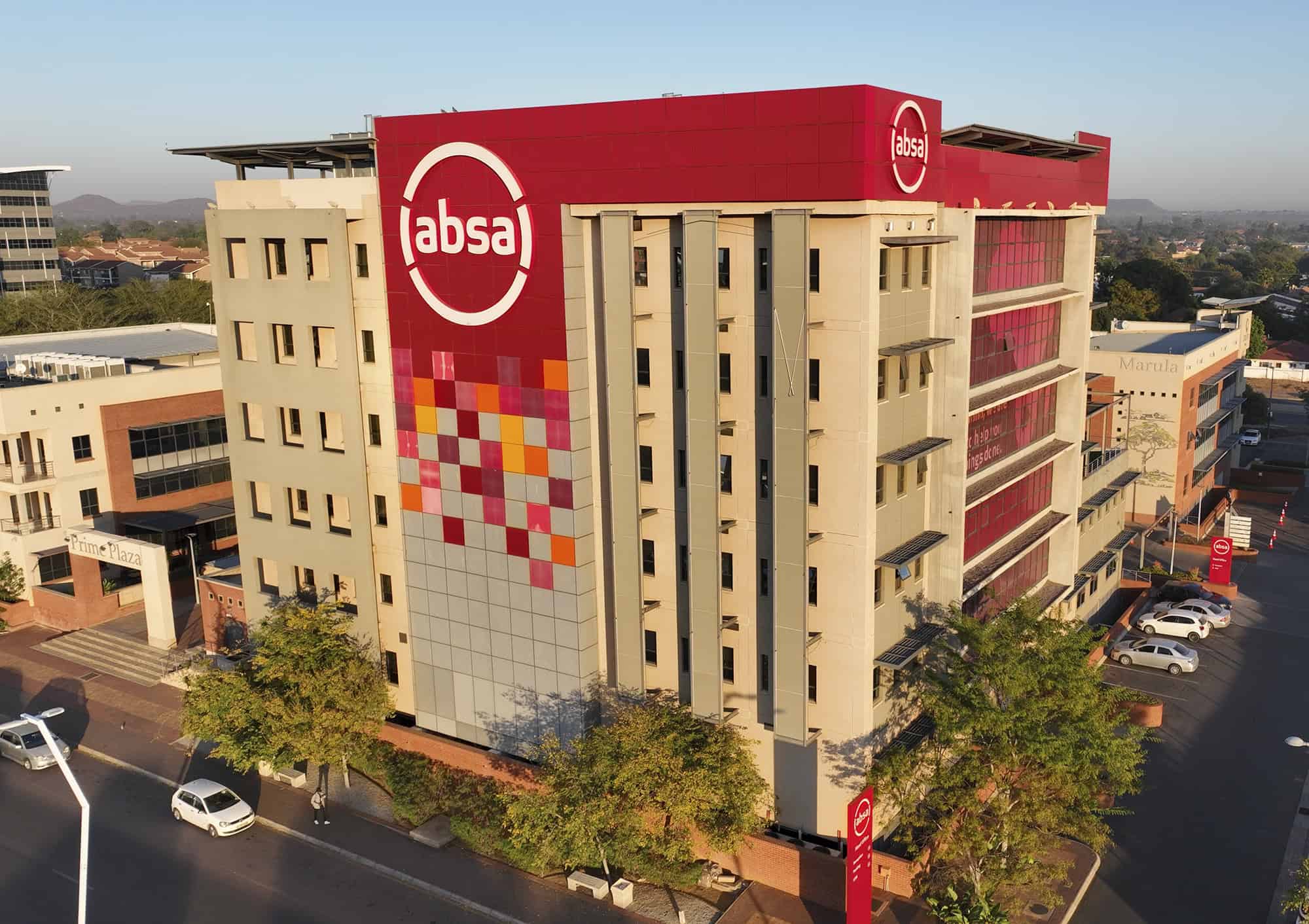
Falling interest rates have a way of testing a bank’s priorities. For Absa Bank Kenya, the first half of 2026 did exactly that and so far the bank’s answer is to keep its sustainable lending target where it was.
The numbers first. Profit after tax fell 10% to KES 10.5 billion in the six months to June, down from KES 11.7 billion a year earlier. Net interest income slipped 5% to KES 21.1 billion as the Central Bank’s rate cuts thinned lending margins and total revenue dropped 7% to KES 29.3 billion. Even so, customer loans grew 8% to KES 329.9 billion and the board raised the interim dividend 150% to KES 0.50 per share.
Now the green side. In late July, Absa launched its 2025 Sustainability and Climate Report at Strathmore University. It shows KES 55.3 billion in sustainable finance disbursed last year, up from KES 47 billion in 2024 and more than KES 204 billion since 2022. That came to 30% of gross loan disbursements, against a target of 10%.
The detail matters. Of the 2025 total, KES 48.8 billion went to financial inclusion, reaching SMEs, women-led and youth businesses and underserved communities. Climate finance, covering renewable energy, green buildings, energy efficiency and climate-smart agriculture, came to KES 6.5 billion, about 12% of the total. Inclusion carries most of the weight and climate lending is the smaller piece with room to grow.
Absa is also looking at its own exposure. About 19% of its loan book sits in high-emission sectors such as manufacturing and transport. The bank now uses scenario analysis and geo-referencing to test how droughts or floods could affect a borrower’s ability to repay and its disclosures are aligned with the IFRS S1 and S2 standards. Closer to home, five of its premises hold EDGE certification and a solar pilot across four branches delivered efficiency gains of 30% to 51%.
What comes next is the real test. Absa’s new strategy keeps the 30% allocation for financial inclusion, green finance and nature-based projects and sets a net-zero target for 2050. The half-year release did not publish a sustainable finance figure for the period, so whether thinner margins squeeze that lending will only show in the full-year report.
For borrowers, the practical signal is products like the Eco Home Loan, which finances up to 110% of the cost of energy-efficient housing. For the wider sector, the question is simple: when margins tighten, does green lending shrink with them? Absa’s strategy commits to holding the line and the next report will show whether it did.