First Ladies Step Up Fight Against Fistula in Kilifi
For women living with fistula, the condition can turn everyday life into a source of embarrassment, isolation and fear.
In Kilifi County, a joint health campaign is giving some of these women a chance to change that.
A free fistula surgical camp at Marafa Sub-County Hospital is providing screening, treatment and surgery to women affected by female genital fistula, while health partners and county leaders push for better access to services beyond temporary medical camps.
The camp, which runs from October 2 to October 9, is being organised by the M-Pesa Foundation in partnership with the County First Ladies Association (CFLA), the County Government of Kilifi, the Flying Doctors’ Society of Africa (FDSA) and Amref Health Africa.
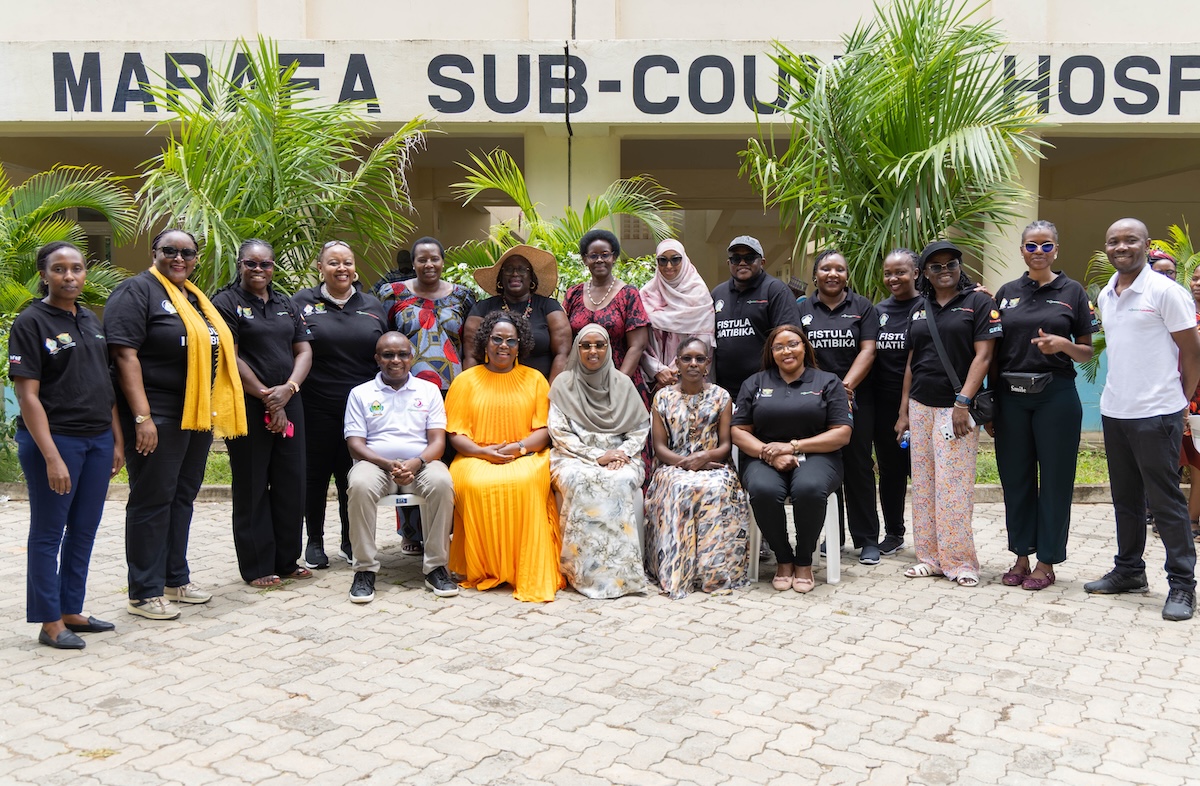
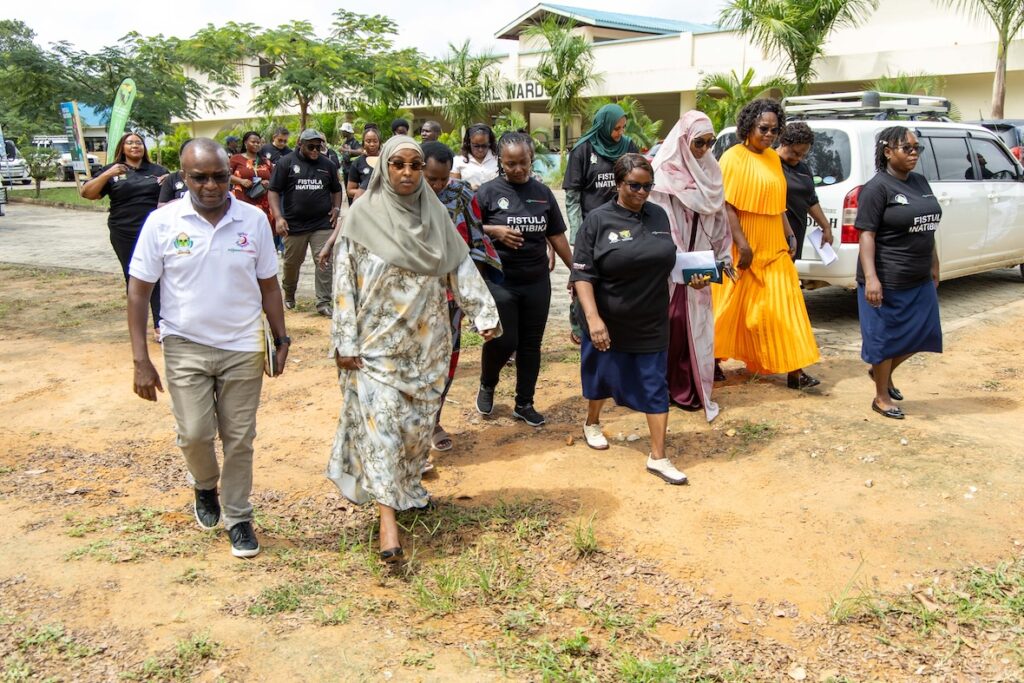
On October 7, First Ladies visited the facility to meet women receiving treatment, speak with health workers and see how the outreach is helping patients who have often lived with the condition in silence.
Alamitu Guyo Jattani, First Lady of Marsabit County and chairperson of the County First Ladies Association, said the response to fistula has to go beyond surgical camps.
“Fistula is a condition affecting many women in Kenya and needs to be taken care of every day, not just when a camp takes place,” she said.
She also pointed to the impact of stigma and cultural practices, particularly in parts of Northern Kenya where female genital mutilation is prevalent.
“People hide it because of the shame and stigma that come with it. We should therefore spread our wings so that we cover each part of the country,” Jattani said.
Giving women another chance
The Kilifi camp is part of a wider commitment by the M-Pesa Foundation to support fistula treatment across the country.
In 2025, the Foundation’s trustees committed to supporting 2,200 fistula surgeries across Kenya’s 47 counties by 2028.
According to Dr Henry Kilonzo, Senior Manager, Foundations Programmes, more than 100 women had been screened during the Kilifi outreach, with 29 admitted for treatment and 12 surgeries successfully completed at the time of the visit.
“We started this more than 10 years ago, and we have seen what it means to give women back their lives afresh,” Kilonzo said.
He also called on more private sector organisations to support the fight against fistula.
For many women, the effects of fistula extend far beyond the physical symptoms.
The condition can develop after prolonged or obstructed labour and may leave women with continuous leakage of urine or stool. The resulting stigma can lead to isolation, depression and difficulties at work and within the community.
Kenya records an estimated one to two fistula cases for every 1,000 deliveries, translating to roughly 3,000 new cases each year.
Yet fistula is treatable, and early access to care can make a significant difference to the lives of affected women.
The bigger fight against fistula
The Kilifi outreach is also being used to look at what happens after the surgical team leaves.
Earlier in the week, the partners held a strategic leadership engagement and surgical outreach in Kilifi, bringing together county officials, healthcare workers and development partners to discuss how prevention, treatment and follow-up services can be strengthened through routine healthcare.
The campaign is running under the theme “Fistula Inatibika: Restoring Dignity of Women and Girls in Kenya.”
The message is simple: women living with fistula should not have to hide.
The integrated fistula programme began in September 2025 and is now in its second phase. It combines prevention, treatment and health system strengthening, with the wider goal of reducing new cases and moving Kenya closer to eliminating fistula.
For the women walking out of Marafa Sub-County Hospital after treatment, however, the impact is more immediate.
It is about being able to return home without the condition that may have kept them isolated for years.
And, perhaps most importantly, about getting their dignity back.
Follow us on X, Instagram and Facebook for the latest stories, trends and updates from Nairobi and beyond.