What Could a Samsung Connected Home Look Like in Nairobi?
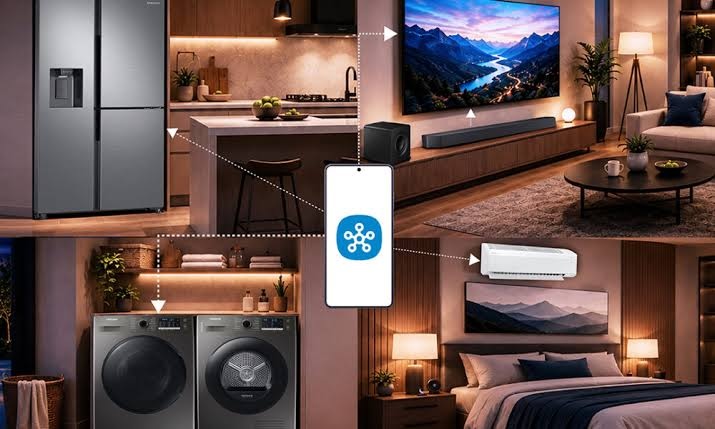
The modern Nairobi home is changing quietly. There are smartphones on almost every bedside table, smart televisions replacing older screens and appliances becoming increasingly sophisticated. For many households, technology is already woven into the rhythm of everyday life, even if we do not always think of it as a connected experience.
The next step is bringing some of those individual experiences together.
That is the idea behind Samsung’s Connected Living Experience, which offers a glimpse into how connected technology can fit into the routines of a contemporary home. Rather than presenting smart technology as something complicated or futuristic, the experience puts the focus on familiar moments and how technology can make them easier to manage.
Imagine starting the day with your phone already serving as the centre of your digital life. You check your messages, catch up on the news and perhaps glance at what’s happening at home before heading out. Later in the day, you might use the same device to interact with connected appliances or settle down in front of the television for the evening.
Individually, these actions seem ordinary. Together, they point towards a different way of thinking about the home.
A home that responds to the way you live
One of the interesting things about connected living is that it does not necessarily require people to change their routines. Instead, the technology is designed to fit into routines that already exist.
Take laundry, for example. It is hardly the most glamorous part of running a home, but it is one of those chores that has to be done. A connected appliance can give users greater visibility and control, allowing them to interact with it through a connected ecosystem rather than treating it as an isolated machine.
The same thinking extends to entertainment.
The television has evolved from being a screen in the living room into a central part of the connected home. It can sit alongside smartphones, appliances and other devices within the same ecosystem, creating a more integrated experience for the household.
Samsung’s SmartThings platform is part of this shift, bringing compatible devices together and giving users a way to manage aspects of their connected home through a common ecosystem.
The appeal is less about technology for its own sake and more about reducing the friction between the things we already do.
Where the smartphone fits in
For many Kenyans, the smartphone is already the most familiar piece of connected technology. It is where we communicate, work, shop, make payments, consume entertainment and increasingly manage different aspects of our lives.
That makes it a natural gateway into the connected home.
As more household products gain connectivity, the smartphone can become a convenient way of interacting with them. Instead of walking from one device to another or relying on separate controls, compatible products can be brought into a single connected environment.
This is where Samsung’s vision of connected living becomes particularly interesting for a city such as Nairobi.
Life here can move quickly. Work, family, commuting, social commitments and household responsibilities compete for attention every day. Technology that can quietly take care of some of the smaller interactions can have value precisely because it does not demand more attention from us.
The connected home is becoming more practical
The idea of a smart home can sometimes sound like an expensive concept designed for a distant future. But the technology is increasingly moving into products people already recognise and use.
Samsung’s Connected Living Experience reflects that transition. It presents the connected home through everyday activities rather than treating it as a showcase of gadgets.
That distinction matters.
For the Nairobi consumer, the appeal of connected living may ultimately come down to something quite simple: having technology that works around the rhythm of everyday life.
The home of the future does not necessarily have to look radically different from the home we know today. The difference may be in what happens behind the scenes, with the devices we use becoming increasingly capable of communicating, responding and working together.
And perhaps that is what makes connected living feel less like a futuristic idea and more like the next natural step for the modern home.
Follow us on X, Instagram and Facebook for the latest stories, trends and updates from Nairobi and beyond.