The Future of the Smart Home Is Everything Working Together
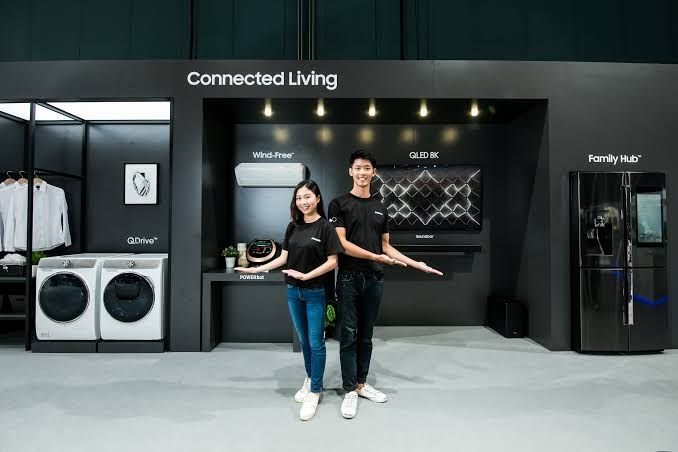
There was a time when buying a new television, refrigerator or washing machine was largely about choosing the best individual product. Consumers compared screen sizes, energy ratings, washing programmes and other features before taking a new appliance home.
That approach is beginning to change.
As technology becomes increasingly connected, the bigger question is no longer what one device can do on its own. It is how different devices can communicate, share information and work together to create a more useful experience.
That idea sits at the heart of Samsung’s Connected Living Experience, where the focus extends beyond individual products to the ecosystem connecting them.
It is a significant shift in the way consumer technology is being developed. The home is gradually becoming a place where smartphones, televisions, appliances and other devices can operate as parts of the same digital environment.
AI is changing the relationship with technology
Artificial intelligence is accelerating that change.
AI has already moved into the smartphone and computer conversations, but its influence is increasingly being felt in everyday household technology. Televisions, appliances and other connected products are becoming capable of processing more information and offering experiences that are more responsive to the person using them.
This changes the relationship between people and their devices.
A traditional appliance waits for someone to operate it. A connected appliance can provide information, communicate with other devices and, depending on its capabilities, help users make decisions about how it is used.
The distinction may seem small, but across an entire home it can become significant.
Samsung’s approach brings AI and connectivity together through an ecosystem that includes products across entertainment, mobile and home appliances. SmartThings, for example, provides a common platform through which compatible devices can be connected and managed.
The value is therefore less about any single feature and more about how those features work together.
From smart products to smart experiences
This is perhaps the most interesting change taking place in consumer electronics.
The industry has spent years making individual products smarter. The next challenge is making the overall experience feel smarter.
A television can offer a more personalised entertainment experience. A smartphone can become a control point for connected devices. An appliance can provide information about its operation. When these capabilities exist within the same ecosystem, they begin to create something that feels less like a collection of gadgets and more like an integrated home.
For consumers, that could mean fewer separate interactions and greater visibility over the technology they use every day.
It also changes how people might think about buying technology in the future. Instead of asking only whether a product has the latest specifications, consumers may increasingly consider how well it fits into the wider technology they already have at home.
What this means for the Kenyan consumer
Kenya has become a strong market for digital technology, with smartphones and internet connected services already deeply embedded in everyday life. The next phase of that adoption could see connectivity move further into the home.
That does not mean every household will suddenly become fully automated. The reality will be more gradual.
People will add devices when they need them, replace older appliances and gradually adopt products with connected features. Over time, those individual choices can create a much larger ecosystem.
That makes the connected home less about a dramatic transformation and more about an evolution of habits.
The Samsung Connected Living Experience provides a window into that possibility. It shows how technology can increasingly move away from being something we consciously operate at every moment and towards something that works quietly in the background.
The most interesting part of the smart home, then, may not be the number of connected devices inside it.
It may be what happens when those devices finally start behaving like they belong to the same home.
And as AI continues to develop, that connection is likely to become increasingly sophisticated, bringing the technology around us closer to the way we actually live.
Follow us on X, Instagram and Facebook for the latest stories, trends and updates from Nairobi and beyond.