The Future of Laundry Is Intelligence, Not Effort
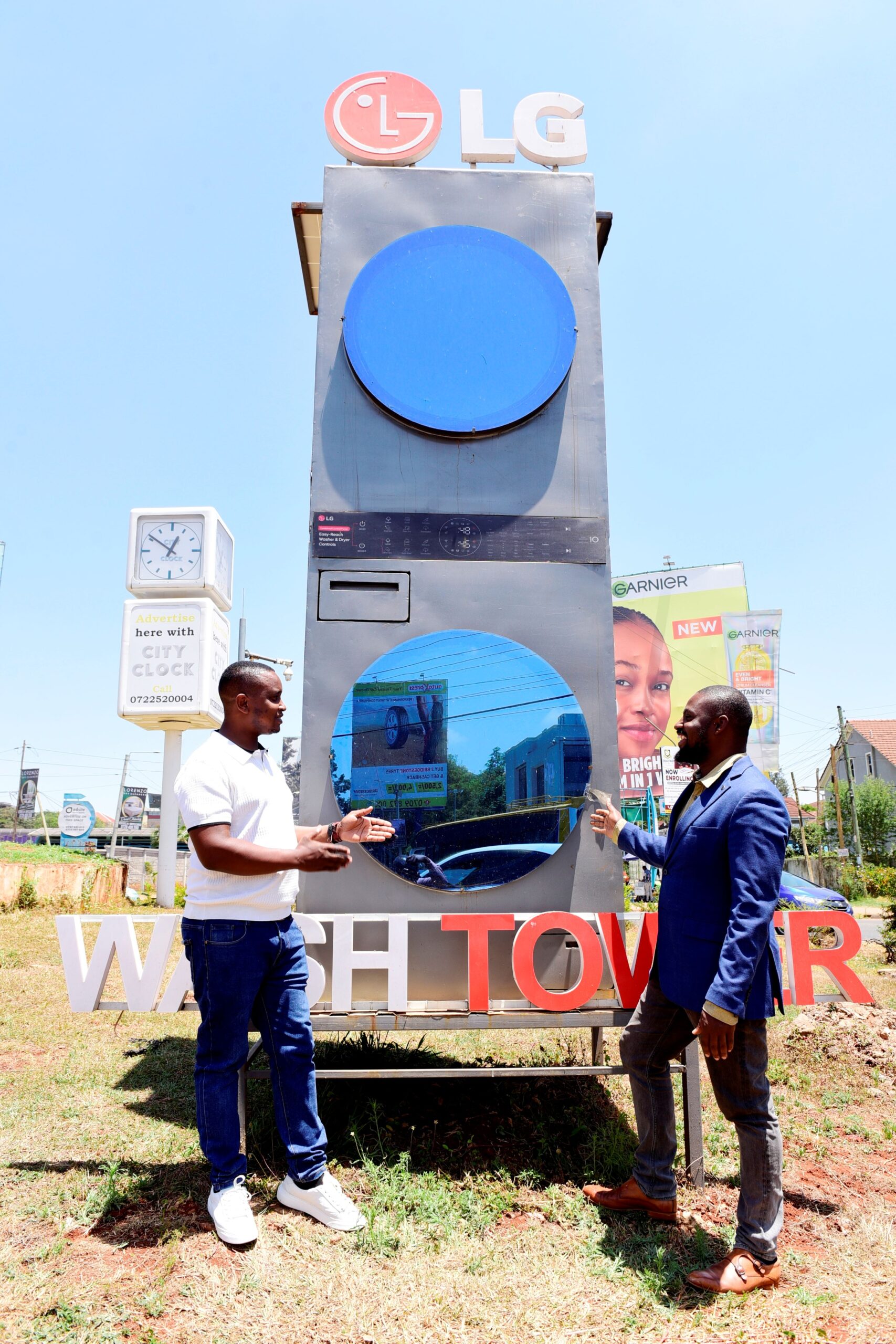
For years, washing machines were built around a simple idea: more power meant better performance.
Bigger drums, faster spin speeds and stronger motors became selling points as manufacturers competed to make laundry quicker and more effective. But the way people live has changed. Today, the more interesting question is not how much power a washing machine has, but how much thinking it can take off the user’s hands.
That shift is already visible in the latest generation of home appliances.
Laundry is a good example. Every load is different, yet traditional washing machines often leave the decision making to the person standing in front of them.
One load might contain towels and bed linen. The next could be office clothes, sportswear and children’s school uniforms. Choosing the right programme, temperature and spin setting can quickly become a guessing game, particularly when several different fabrics are involved.
A washing machine that reads the load
This is where artificial intelligence is changing the laundry experience.
The LG WashTower, for example, uses AI DD™ technology to analyse the weight and fabric characteristics of a load before selecting appropriate washing motions.
The idea is simple. Instead of expecting the user to know exactly how each load should be treated, the appliance uses information from the load itself to make adjustments.
That matters because different fabrics respond differently to washing. A cycle that works well for heavy cottons may be unnecessarily harsh on more delicate clothing.
By adapting its washing motions, the technology is designed to help clothes maintain their shape and appearance over time.
For households, that can have a practical benefit. Clothes are an expense, and extending the useful life of what is already in the wardrobe can matter just as much as getting a load clean.
Speed without sacrificing the wash
Time is another area where smarter technology is changing expectations.
Most people would happily finish their laundry sooner. The challenge is doing that without compromising cleaning performance.
LG’s TurboWash™ 360 technology approaches this by directing water and detergent at the clothes from multiple angles. Selected cycles can be completed in as little as 39 minutes, giving users a faster option when time is tight.
For a busy Nairobi household, those minutes can matter.
Between commuting, work, school runs, family commitments and everything else competing for attention, household chores can easily become another item on an already long list.
Saving a few minutes on one wash may seem insignificant. Repeated across several loads each week, however, those savings can give people back time that would otherwise be spent waiting for a cycle to finish.
Drying with a little more restraint
The intelligence continues into the drying process.
The LG WashTower uses a Dual Inverter Heat Pump dryer that recirculates heated air to dry clothes efficiently. Moisture sensors monitor the load and adjust drying time, helping prevent clothes from being exposed to heat after they are already dry.
There are two practical considerations here.
The first is energy use. A dryer that can adjust its operation according to the condition of the clothes does not need to run at full intensity for longer than necessary.
The second is fabric care. Excessive heat can be hard on clothing, so reducing unnecessary exposure can help preserve garments over time.
It is part of a wider change in appliance design. Maximum power is no longer the only measure of performance. Efficiency, precision and knowing when to do less are becoming equally important.
Laundry you can check from your phone
Then there is the connected side of the experience.
Through the LG ThinQ™ app, users can start and monitor laundry cycles and receive notifications on their smartphones.
That means someone stuck in Nairobi traffic, working late or simply away from home does not have to keep checking the machine to know what is happening.
The appeal of connected appliances is often less about flashy technology and more about small conveniences like this. The machine handles the task, while the user gets a notification when something needs attention.
The appliance is learning to need less from you
This points to a bigger change in household technology.
Consumers are becoming less interested in appliances that simply offer a long list of specifications. The more useful products are those that can fit into everyday routines without demanding constant input.
The washing machine of the past largely waited for instructions. The newer generation is beginning to interpret information, make adjustments and respond to changing conditions.
That is a meaningful shift.
The future of laundry may therefore have less to do with washing clothes harder and more to do with making the entire process feel effortless.
For Kenyan households embracing connected living, convenience and greater control over energy use, intelligent appliances are likely to become increasingly relevant.
The smartest appliance may ultimately be the one you barely have to think about.
To learn more about the LG WashTower and its laundry technology, visit LG East Africa.
Stay connected with Nairobi Lifestyle. Follow us on X, Instagram and Facebook for the latest stories, trends and updates from Nairobi and beyond.