


Practical Steps to Protect Your Money and Your Institution This Festive Season
A surge in financial activity accompanies the festive season in Nairobi. Salaries are paid out, travel is booked, online shopping peaks, suppliers push year-end invoices and schools prepare budgets for the new academic year.
Unfortunately, this is also when fraud attempts rise. Not because criminals suddenly become more sophisticated, but because people and institutions are busier, distracted and moving money more often.
Most fraud succeeds through pressure and familiarity. A sense of urgency. A message that looks official. A caller who sounds convincing. The strongest defense is still human judgment: slow down, verify and protect your access credentials.
Common fraud tactics to watch out for
Many fraud attempts are simple and repetitive:
-
Phishing messages with links that mimic banks, delivery services, online stores, or government platforms, asking you to “verify” details.
-
Impersonation calls or texts posing as customer care agents, suppliers, colleagues, or even family members, pushing you to act immediately.
-
Fake payment confirmations or reversal tricks designed to make you refund money you never received.
-
Account takeover attempts targeting email accounts, phone lines, or SIM cards to intercept OTPs and reset passwords.
If something feels rushed or slightly off, that pause you take can save you a lot of trouble.


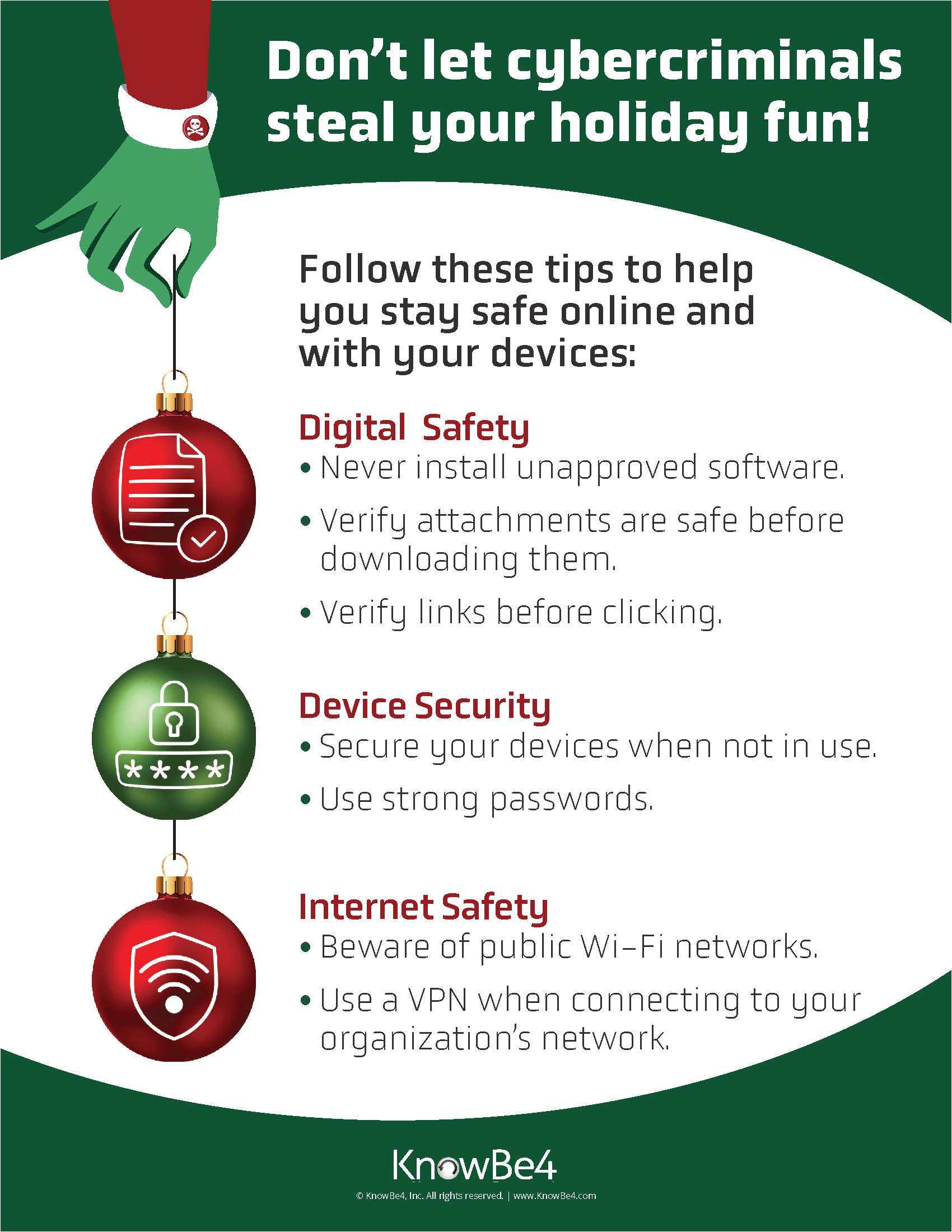
How to reduce risk this holiday season
A few practical habits go a long way:
-
Never share your PIN, password, or OTP with anyone, under any circumstances.
-
Avoid clicking banking or payment links sent via SMS, email, or WhatsApp. Open the official app or type the website address yourself.
-
Treat urgency as a red flag. Pause and verify before acting.
-
If payment instructions change, confirm using a trusted, independent contact, such as calling a known number rather than replying to the message.
-
Use strong, unique passwords and enable multi-factor authentication where available.
-
Be mindful of what you share publicly, especially details that could help someone impersonate you or answer security questions.
Fraud control for schools and institutions
For schools, the festive period often overlaps with procurement planning, infrastructure upgrades, transport arrangements and budgeting for the year ahead. A few governance basics can significantly reduce exposure:
-
Dual authorisation for high-value payments
-
Documented vendor onboarding
-
A formal process for changing bank details
-
Clear segregation of duties
-
Routine reconciliation and review
These controls may feel procedural, but they are often what stand between a close call and a costly mistake.
If you suspect fraud, act immediately
If you think you have shared sensitive information, clicked a suspicious link, or authorised a questionable transaction, act without delay. Contact your bank immediately using official channels. Speed matters.
Supporting school growth with the right financing
Security aside, the end of the year is also a time for schools to plan ahead. Expanding classrooms, upgrading libraries, improving water and sanitation facilities, or strengthening transport capacity all require capital.
Family Bank’s Inua Shule Loans are designed to support school growth by financing infrastructure projects and transport needs aligned with each institution’s priorities. The facility allows schools to make necessary improvements without putting unnecessary pressure on day-to-day cash flow.
For more information, schools can visit a Family Bank branch or reach out through the bank’s official customer channels to discuss their needs and suitable financing options.
Follow us on Twitter and Facebook for more updates.


