
Despite Digital Advancements, Paper Remains Essential in Healthcare, With Epson Leading Sustainable Printing Solutions
It’s no secret that digital technologies are rapidly evolving and in an age dominated by screens and smartphones, the idea of paper may seem distant and even outdated. Yet, despite this push towards digitalization, paper continues to hold its ground in various sectors, from healthcare and education to business and government.
The medical sector is one of the sectors where paperwork is not going away anytime soon. While digital solutions are on the rise, printing remains an indispensable tool in many healthcare workflows. Many insurance companies still require hard copies of claims, while prescriptions and medical consent forms must often be pen-to-paper, as mandated by law. For instance, consent forms require a physical signature, making printed documents a critical aspect of patient care and legal compliance. Additionally, there’s still a significant portion of the population, including healthcare professionals, that trusts and prefers paper-based documentation over digital formats.
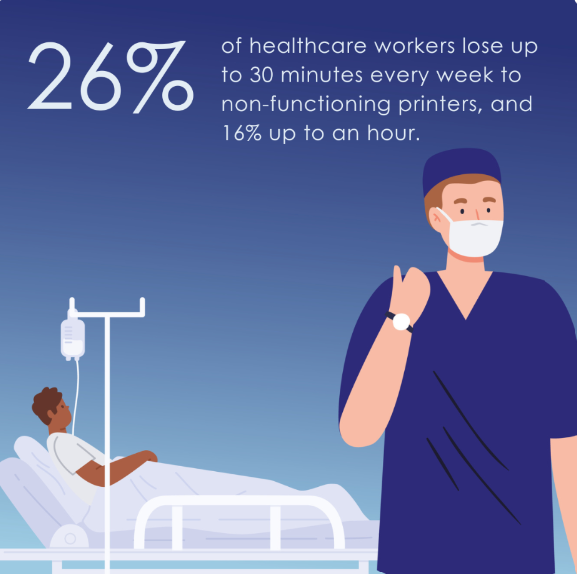
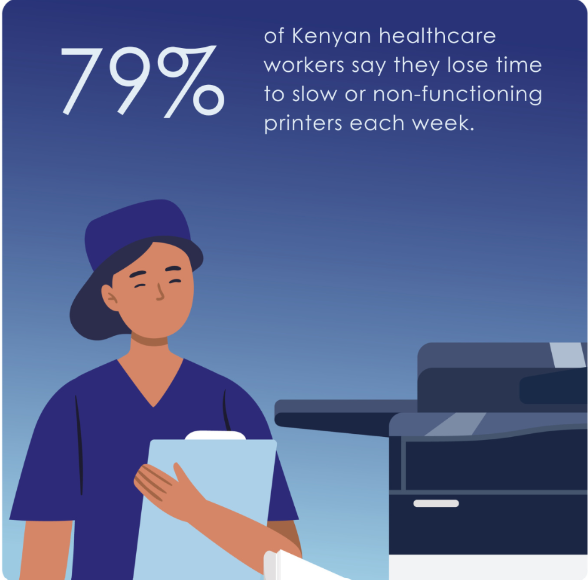
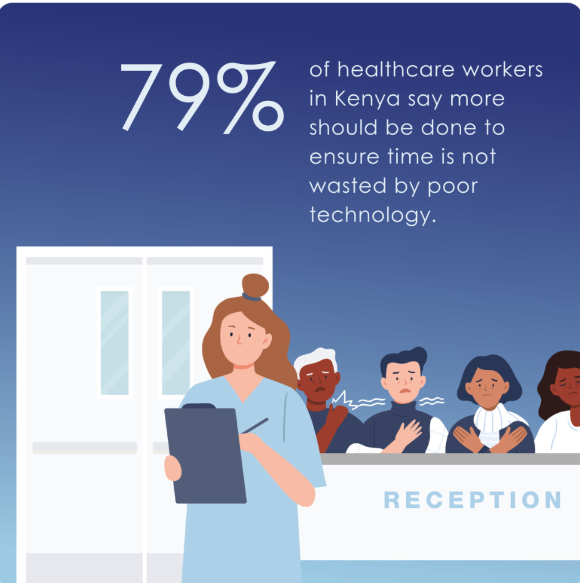
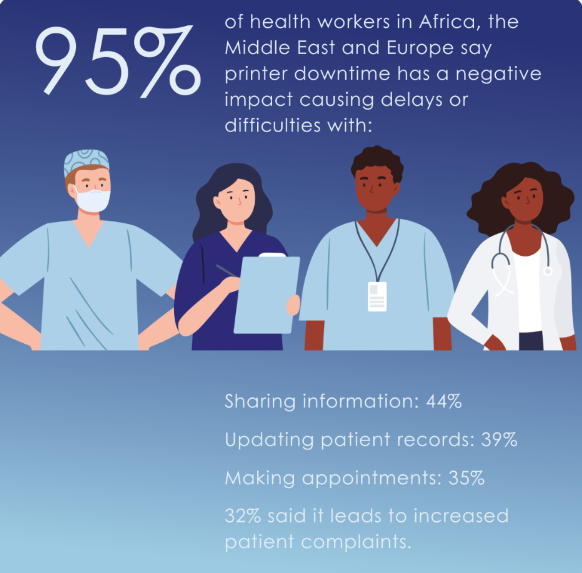
A recent study conducted by Global Technology Company Epson across Africa, the Middle East, and Europe revealed just how integral paper and printing continue to be in the modern medical system. Among 3,400 surveyed healthcare professionals, 79% in Kenya acknowledged that slow or malfunctioning printers have caused significant time wastage. Furthermore, nearly 95% of respondents reported that these delays negatively impacted essential activities like sharing patient information, updating records, and scheduling appointments. In a sector already burdened with staffing shortages and increasing patient loads, these inefficiencies further strain resources.
However, the study also found a strong demand for better technological solutions, with 89% of healthcare workers advocating for upgraded IT infrastructure, particularly more efficient printers. Notably, 90% of Kenyan respondents favored Epson’s Heat-Free inkjet technology for its reliability and lower maintenance needs.
Epson is leading the charge in sustainable printing solutions, recognizing the environmental concerns associated with outdated technologies. The company has made significant strides by discontinuing the production of laser printers, a bold move driven by environmental concerns. Laser printers typically consume more energy due to their heat-based technology, and the disposal of their consumables poses sustainability challenges. Epson’s Heat-Free inkjet printers offer a more eco-friendly alternative, using less energy and reducing maintenance costs. They also feature a design that allows the same consumables to be used across different printer models, minimizing waste
Astra Dental is one of the many healthcare providers that has benefited from Epson’s cost-efficient inkjet technology. Previously reliant on laser printers, the company faced high energy costs and limitations in print quality, particularly for color logos and branding. By switching to Epson’s Heat-Free technology, Astra Dental was able to save significantly on running costs, reduce energy consumption, and improve print quality. The introduction of automatic two-sided printing also helped the clinic cut paper costs by up to 50%.
In conclusion, though many may think paper may not dominate our future, it’s clear that it will continue to coexist with digital advancements. As technology evolves, so will the role of paper. What’s certain is that it won’t disappear anytime soon but will simply adapt, just as it always has. And in this balance of old and new, companies like Epson are ensuring that the future of paper printing is not only functional but sustainable.


