Kenya’s Tech Talent: What Happens After Big Tech?
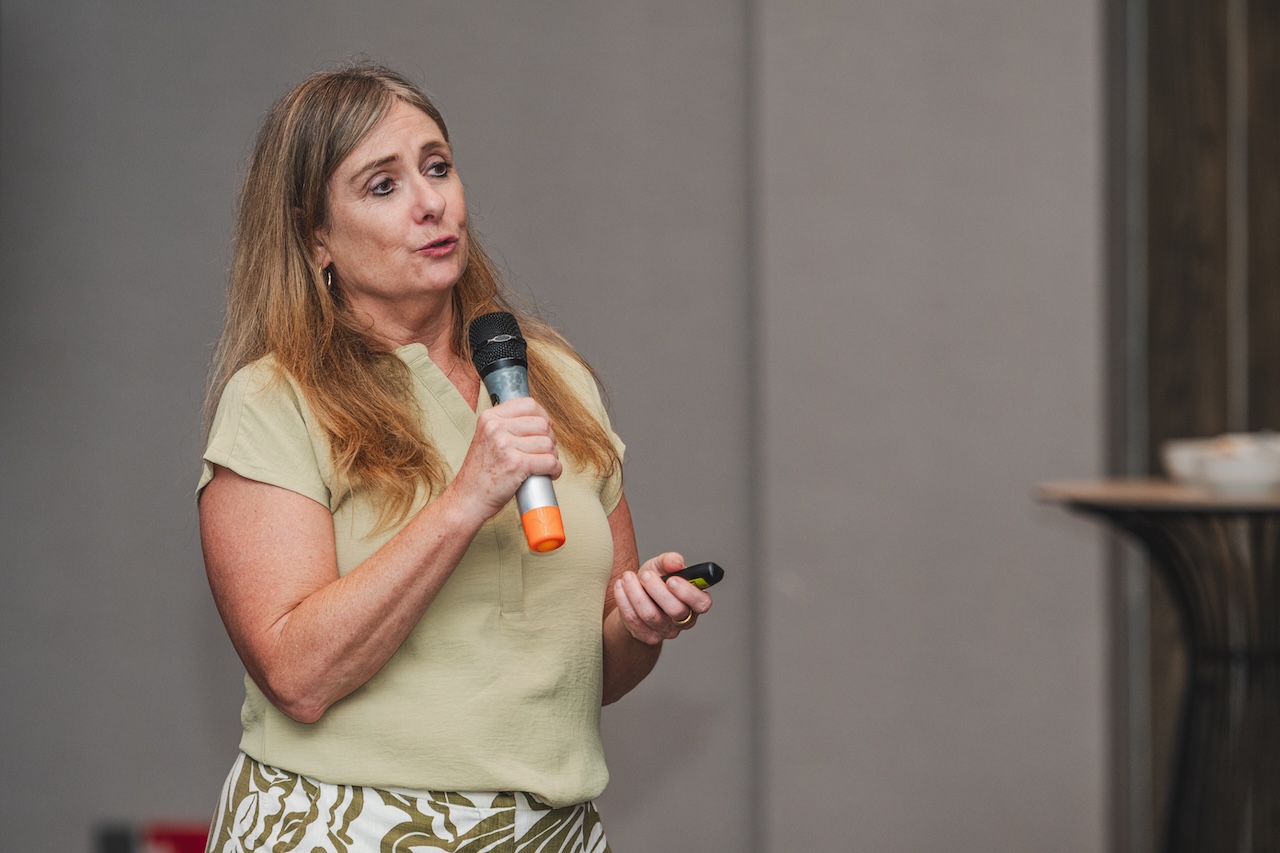
By Nikki Germany
Microsoft’s reported restructuring of its Africa Development Centre (ADC) in Nairobi has raised an important question about Kenya’s position as a technology hub: what happens to the talent when global technology companies change direction?
Employees were reportedly informed of the changes on October 12, seven years after the centre was established. Microsoft has described the move as part of a broader global restructuring affecting its engineering operations in Kenya, without confirming a complete shutdown.
For the engineers and other professionals affected, the implications go beyond losing a job. Years of experience, professional relationships and exposure to building products for international markets are at stake. Their contribution to Kenya’s technology ecosystem deserves recognition, particularly as the country considers what comes next.
At Moringa, where we train thousands of young Kenyans for careers in technology, the development raises a bigger question: has Kenya built an ecosystem capable of retaining and developing world-class engineers even when multinational companies change their investment priorities?
The answer begins with education, but it extends to employers, government and the wider technology industry.
The legacy of Microsoft’s Africa Development Centre
The scale of Microsoft’s original investment shows why the latest developments matter.
Announced in 2019, the Africa Development Centre was established in Nairobi and Lagos, with Microsoft pledging $100 million over five years and plans to employ 500 engineers across both locations by 2023.
By March 2022, Nairobi alone had more than 450 full-time employees. Kenyan engineers worked alongside international teams on products designed for global markets, gaining experience that strengthened the country’s technology talent pool.
That experience remains valuable even as the company restructures. Jobs may disappear, but the technical knowledge, industry exposure and professional networks developed over the years do not disappear with them.
The development also highlights the gap between investment announcements and what eventually happens on the ground.
Microsoft closed its Lagos centre in 2024. The same year, the company and UAE-based G42 announced a $1 billion digital investment initiative in Kenya, including plans for a geothermal-powered data centre at Olkaria. The project has since stalled, reportedly over power capacity and payment guarantees.
These developments do not mean Kenya has lost its appeal as a technology destination. However, they expose the risks of building an ecosystem that depends heavily on investment decisions made outside the country.
Can local companies absorb the talent?
The real test of Silicon Savannah is what happens when major investors change direction.
Can experienced engineers find opportunities within Kenyan companies? Can they build businesses that compete internationally? Can local employers offer the kind of working environments that attract and retain highly skilled professionals?
Financial services, fintech, telecommunications and emerging technology companies could provide opportunities for some of the affected professionals. Others may pursue international remote roles or establish their own ventures.
However, this transition will not happen automatically. Competition for global remote opportunities is intense, while salary differences between multinational companies and local employers can make it difficult for Kenyan businesses to attract experienced engineers.
Local companies must therefore think beyond recruitment. They need strong engineering teams, clear career progression and opportunities for professionals to work on products that can compete in international markets.
Why technology education must change
The experience also reinforces the need to rethink how Kenya prepares people for technology careers.
Being job-ready is important, but it is no longer enough. Artificial intelligence is changing how software is developed, how businesses operate and the skills employers expect from their teams.
At Moringa, we believe technology education must focus on three areas.
First, learners need strong technical foundations. Understanding software, data and systems is more valuable over the long term than learning to use a particular framework or tool that may become outdated.
Second, technical ability must be supported by problem-solving and product thinking. Engineers need to understand the problems businesses and customers are trying to solve, not simply write code.
Third, continuous learning must become part of professional life. Technology professionals need the ability to adapt as tools, industries and employer expectations change.
Our research provides some useful insight into this challenge.
According to the Moringa Graduate Impact Study 2026, 70.9% of surveyed alumni who secured opportunities did so before graduation or within six months.
All 14 employers surveyed identified technical execution as a strength among Moringa graduates. However, 63.4% said communication was an area that needed improvement.
The findings point to an important distinction. Technical skills can open doors, but communication, business understanding and the ability to keep learning help professionals remain relevant throughout their careers.
Our Workforce Capability Report 2026 also found that 77% of organisations use online learning platforms, yet only 16% rated their upskilling efforts as very effective.
This suggests that access to learning resources alone does not guarantee that employees are developing the skills businesses need.
What employers, educators and government should do
Building a resilient technology ecosystem requires practical action from every part of the industry.
Employers should invest in structured internships and apprenticeships that give young professionals meaningful workplace experience. These accounted for 29.1% of first opportunities among Moringa alumni.
Companies should also create technical career paths that allow engineers to advance without having to move into management. Experienced professionals affected by restructuring can play an important role in leading products, strengthening engineering teams and mentoring younger talent.
Education providers need to work more closely with employers when developing and reviewing their curricula. Training should reflect real industry needs while giving learners the technical depth to adapt as those needs change.
There is also a need to teach communication, commercial awareness and product development alongside technical skills. Providers should publish graduate outcomes transparently and create retooling opportunities in growing fields such as artificial intelligence and cybersecurity, including for professionals who already have industry experience.
Government has a role in making Kenya a more attractive place to build and grow technology businesses. Predictable tax policies, clear regulation, reliable and affordable electricity, and procurement opportunities for local technology companies would help.
It can also support businesses that take on interns, improve access to early-stage capital and address barriers to cross-border payments. These measures would give engineers looking to establish their own companies a better chance of building businesses from Nairobi that serve international markets.
Kenya’s technology future must be built locally
Microsoft’s restructuring should not be interpreted as proof that Silicon Savannah has lost its place in the global technology economy.
Instead, it presents an opportunity to examine what Kenya wants from international technology investments and how much value remains in the country after those investments change direction.
The engineers who worked at the Africa Development Centre represent years of accumulated knowledge and experience. Their next opportunities could strengthen Kenyan businesses, support new startups and help train the next generation of technology professionals.
The measure of Kenya’s success should therefore go beyond the number of multinational companies opening offices in Nairobi.
It should also consider how many skilled professionals remain in the country, how many local companies can employ them, and how much innovation they can generate independently.
Global companies will continue to make decisions based on their business priorities. Kenya’s responsibility is to build an ecosystem strong enough to create opportunities regardless of those decisions.
The writer is the CEO of Moringa.
Follow us on X, Instagram and Facebook for the latest stories, trends and updates from Nairobi and beyond.