
16 Years of Samsung Galaxy S Evolution
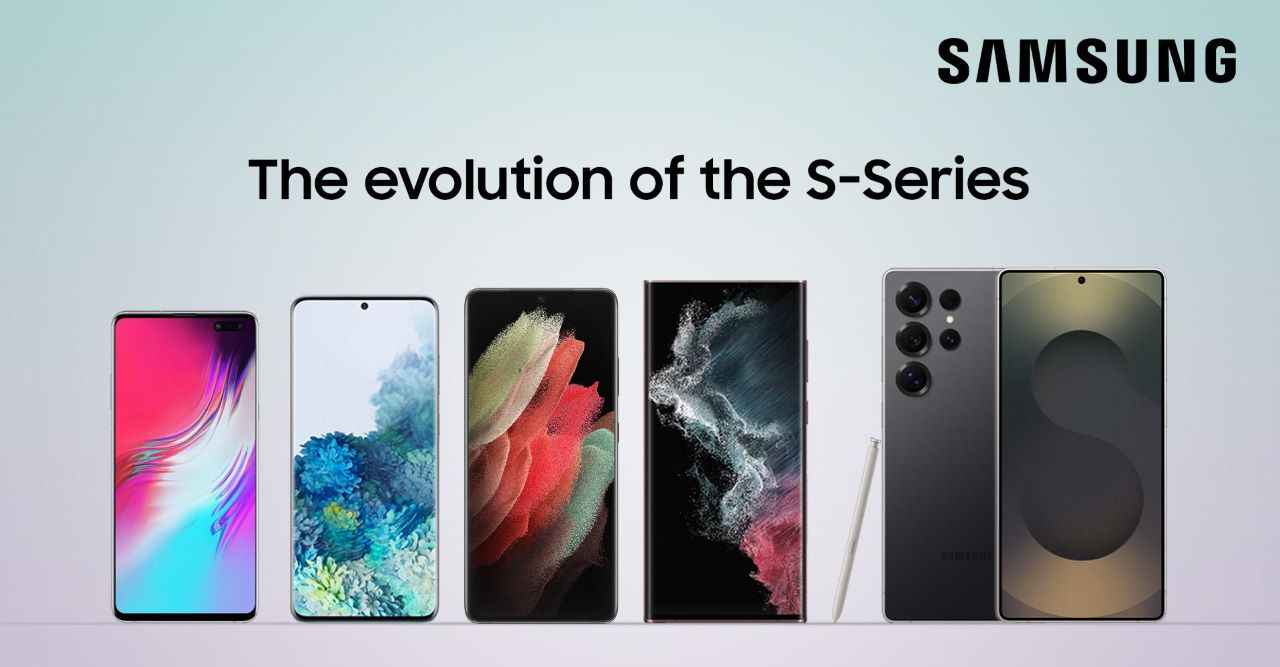
Sixteen Years of the Galaxy S Series Making History
It’s hard to believe the Galaxy S series has been around for 16 years. Since the first model launched in 2010, Samsung’s flagship phones have quietly reshaped what we expect from a smartphone. What began as a sleek, pebble-like device has grown into a powerful, AI-driven tool built for everyday life.
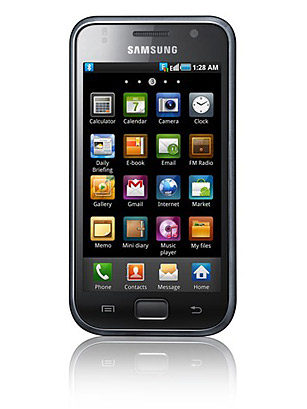
Early Galaxy S phones were all about feel and flair. Smooth curves, glossy finishes, and lightweight plastic bodies made them comfortable and eye-catching. The original Galaxy S paired that polished design with a bright Super AMOLED display and a modest 5MP camera that, at the time, signaled Samsung’s serious entry into mobile photography.
Samsung moved fast. The Galaxy S II refined the formula with a slimmer body and an 8MP camera capable of Full HD video. By the time the Galaxy S III and S4 arrived, the brand leaned into organic shapes and larger displays while steadily improving camera performance. The Galaxy S5 added water resistance and 4K video, all while keeping practical features like a removable back.
A real turning point came in 2015. With the Galaxy S6 and S6 Edge, Samsung ditched plastic for glass and metal, introducing curved displays that felt futuristic and immersive. Camera quality jumped again, with optical image stabilization delivering sharper, more reliable shots. The S7 series built on that momentum, bringing dual-pixel autofocus that dramatically improved low-light photography.


From 2017 to 2019, design took center stage. The Galaxy S8 and S9 pushed the Infinity Display to near-bezel-less extremes, while the S10 introduced hole-punch cameras and multi-lens setups, including ultra-wide photography. These phones looked luxurious, but they were also slippery, fragile, and increasingly defined by their glass finishes.
Also read: Samsung Galaxy Unpacked Watch Party: Register & Win in Kenya
As camera hardware became more advanced, design priorities shifted. The Galaxy S20 introduced a prominent camera bump to accommodate larger sensors. The S21 followed with matte finishes and a camera housing blended into the frame, improving grip and durability. Photography took a leap forward with higher-resolution sensors and better zoom performance.
The Galaxy S22 marked another evolution. Flat displays and boxy aluminum frames replaced curves, making phones easier to hold, easier to protect, and more reliable in daily use. Individual camera rings gave the back a cleaner look. The S23 refined this approach further, with slimmer bezels and better material consistency, while the Ultra model fully embraced the S Pen as a built-in tool.
In 2024, the Galaxy S24 series polished the formula. Uniform bezels, brighter displays, and titanium construction on the Ultra model balanced strength with reduced weight. Camera processing focused more on natural colours and detail, rather than aggressive sharpening.
Samsung pushed things further with the Galaxy S25 series in 2025. Comfort became a clear focus. The Ultra gained softer corners for long use, while the base models became thinner and lighter. Camera upgrades were practical rather than flashy, including a new 50MP ultra-wide sensor on the Ultra and continued refinement of Nightography and image processing.
What stands out across these 16 years is how gradual and intentional the changes have been. Bigger camera systems required sturdier frames. Flat screens solved accidental touch issues. Matte finishes improved grip. As smartphones shifted from luxury items to essential tools, Samsung leaned into durability, usability, and consistency.
The result is a Galaxy S lineup that feels mature and purpose-built. From a simple 5MP shooter to AI-powered, titanium-clad devices, the series has evolved alongside how we live and work. And if the last 16 years are anything to go by, the next chapter is already taking shape.
Source: Samsung Newsroom – The History of the Galaxy S Series


