
Nightography Nairobi: Capturing the City After Dark
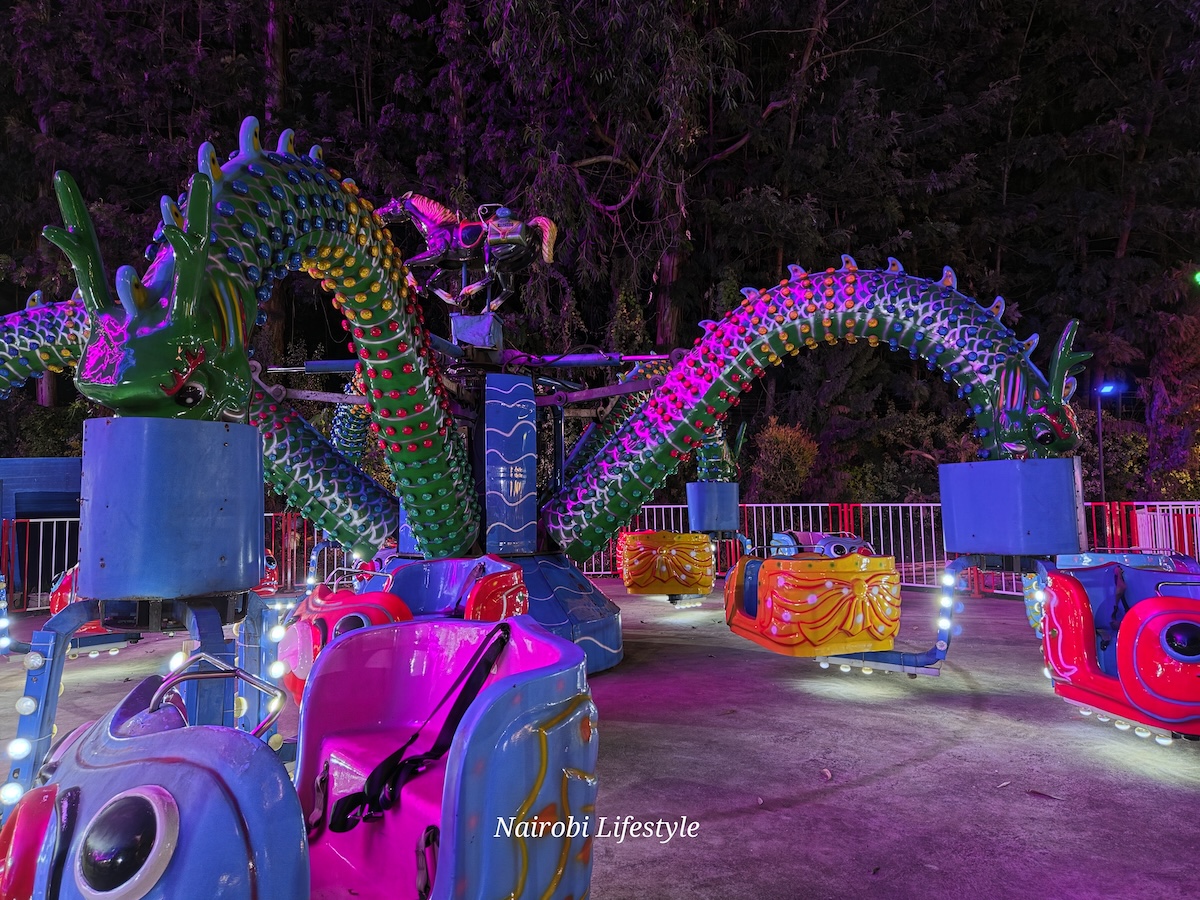
Nightography and Nairobi’s After-Hours Visual Culture
There is a certain energy that only shows up after dark. In a city like Nairobi, the workday rarely ends at five. Once the streetlights come on, a different rhythm takes over. Kitchens stay open, music gets louder, cameras come out and the city starts to express itself in ways daylight never quite captures.
For a long time, that side of Nairobi was hard to document properly. Low-light photography on mobile devices came with trade-offs. Images turned out grainy, movement blurred easily, and details got lost in the shadows. Some of the best moments simply didn’t translate on screen, which made it harder for creators and businesses to show what they were building at night.
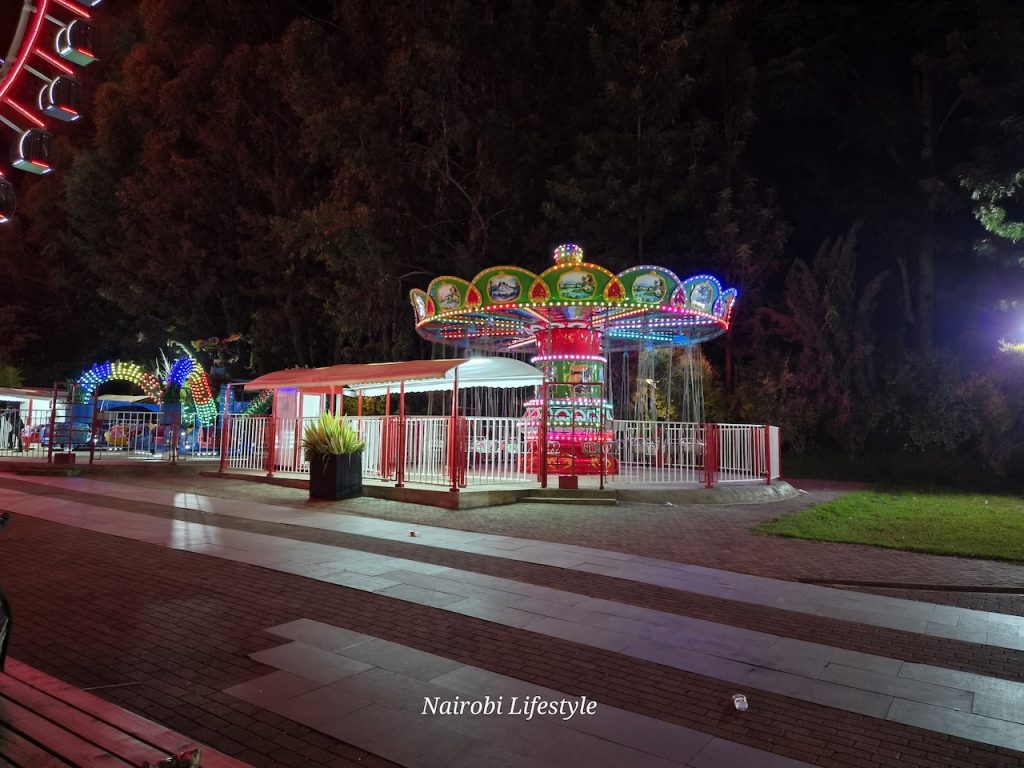
That gap is starting to close.
With the arrival of the Samsung Galaxy S26, night photography feels less like a limitation and more like an opportunity. The device builds on Samsung’s Nightography approach, focusing on capturing scenes in low light with clarity that holds up even under scrutiny.
Earlier, shooting in the dark meant choosing between brightness and sharpness. Letting in more light often resulted in motion blur, while increasing sensitivity introduced noise that flattened textures. That balance has always been tricky, especially for anyone trying to create professional-looking content on the move.
Now, improvements in sensor size and image processing are doing most of the heavy lifting. The S26 uses a larger sensor alongside an AI-driven image processor that adjusts exposure, reduces noise and preserves detail in real time. The result is a cleaner image that still feels true to the scene. Light sources remain defined, shadows retain depth and textures don’t get washed out.
For Nairobi’s growing community of creators, this changes how the night can be used. A chef plating food at 10pm, a DJ mid-set, or a small business owner capturing their space after hours no longer has to rely on perfect lighting conditions. The content holds up, whether it’s going on Instagram, a website, or a campaign deck.
There is also a wider impact beyond individual creators. Much of the city’s economy operates after dark. Street food vendors, performers, delivery riders, and late-night service providers all contribute to a side of Nairobi that is often underrepresented visually. When the tools to capture that world improve, so does its visibility.
And visibility matters.
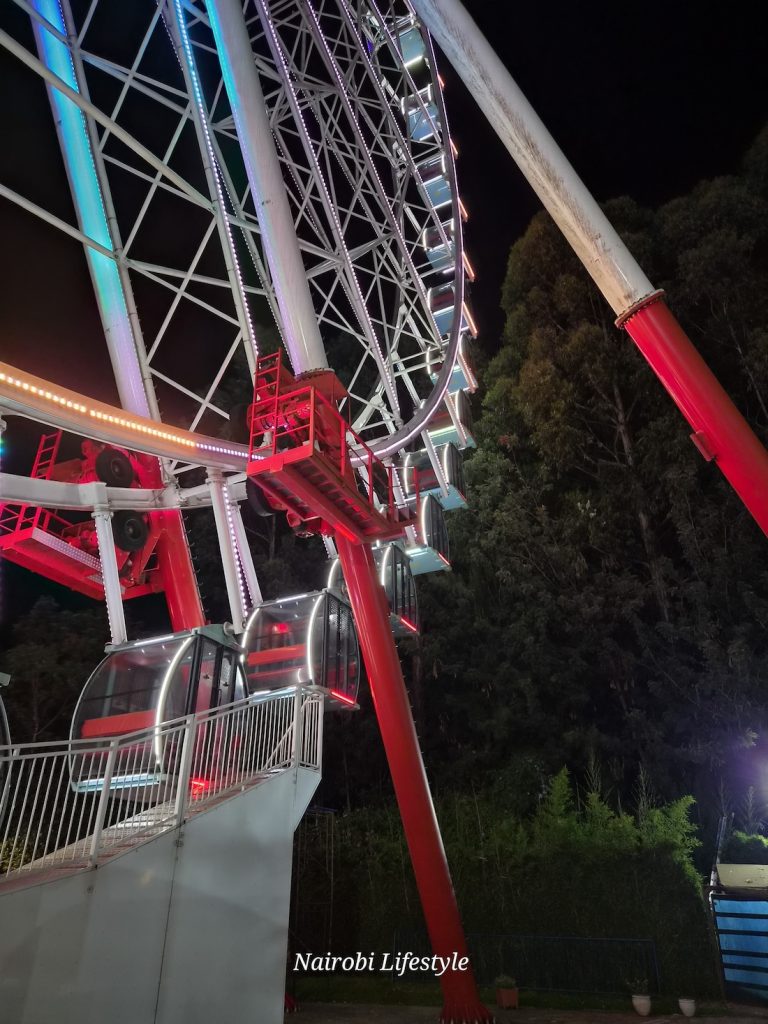
Being able to shoot sharp photos and stable 4K video without extra gear means more people can tell their stories as they happen. It reduces the gap between experience and output. What you see is much closer to what your audience gets.
Nightography, in this context, is not just a feature. It is part of how the city documents itself. Nairobi after dark is no longer something that fades into the background. It is clear, detailed and increasingly impossible to ignore.


