
Samsung TVs: 20 Years of Innovation in Living Rooms
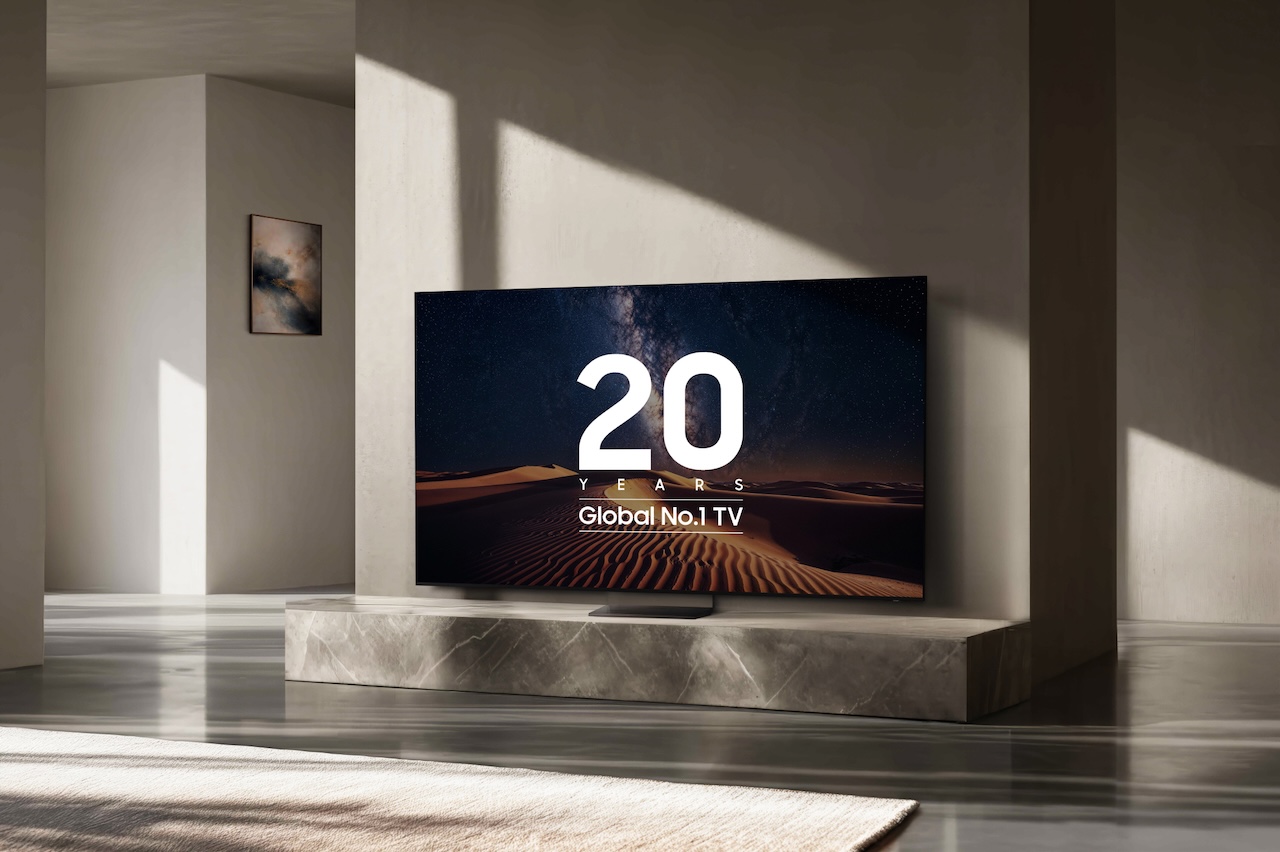
Two Decades of Samsung TVs Shaping the Modern Living Room
Twenty years ago, the television in most living rooms was a simple, bulky box. It did one job: display whatever was scheduled to air. Today, that same device has quietly transformed into something far more central to how people live, relax and connect.
Over time, the TV has moved beyond entertainment. It now sits at the intersection of movies, gaming, learning, art and even smart home control. Few brands have influenced that shift as consistently as Samsung Electronics.
When Design Became Part of the Conversation
The shift did not happen overnight. In 2006, Samsung introduced the Bordeaux LCD TV, a model that changed how televisions looked in the home. With its glossy finish and curved silhouette inspired by a wine glass, it felt less like a device and more like part of the room’s design.
That direction continued in 2008 with the Crystal Rose LCD TV. Subtle colour changes along the bezel responded to light and viewing angles, showing that aesthetics were becoming just as important as performance.
Then came a more practical transformation. In 2009, LED-backlit displays made TVs thinner, brighter and more energy efficient. For the first time, mounting a TV on the wall felt natural. The bulky centerpiece began to disappear, replaced by something that blended into modern interiors.
Smarter, More Connected Living Rooms
Around the same time, televisions started connecting to the internet and that changed everything.
In 2010, Samsung launched its first Smart TV app store, followed by the Smart Hub interface in 2011. Viewers could stream content, download apps and access online services directly from their screens. The TV was no longer just for watching, it became a gateway to the digital world.
This period also saw experimentation with new experiences. From early 3D TVs to curved displays, the goal was clear: make viewing more immersive and engaging.
TVs That Fit Into Your Space
As screens became slimmer and more capable, the focus shifted again, this time toward how TVs fit into everyday spaces.
In 2015, The Serif arrived with a bold, furniture-inspired design. It challenged the idea that a TV had to disappear into the background. Two years later, The Frame took a different approach, turning into a digital art display when not in use. Instead of a blank screen, it became part of the décor.
These ideas helped redefine the TV as something you live with, not just something you watch.
The Technology Behind the Experience
While design evolved, so did the technology powering these displays.
Samsung’s introduction of quantum dot technology led to the rise of QLED TVs in 2017, delivering brighter images and more accurate colours. By 2018, achieving 100% colour volume meant visuals stayed vivid regardless of brightness, setting a new standard for picture quality.
More recently, innovations like Neo QLED and MICRO LED have pushed things even further. Contrast is deeper, highlights are brighter, and colours are more precise. Artificial intelligence now plays a role too, adjusting picture and sound in real time based on what you are watching.
More Than Just a Screen
Today’s TV is no longer a single-purpose device. It is an entertainment hub, a design element and increasingly, part of a connected home setup.
Features like Ambient Mode allow screens to blend into their surroundings, while simplified cable solutions keep spaces clean and uncluttered. At the same time, integration with smart home systems means the TV can act as a control center for other devices in the house.
Looking back, the evolution is clear. What started as a simple display has grown into something far more versatile and personal. The modern TV is no longer just something you turn on, it is something that fits into how you live.


