Samsung Galaxy A57 & A37 Software Updates: Worth the Buy?
Most people buy a phone the same way they buy a pair of shoes. They look at the finish, check the price and hope it lasts. Very few ask the question that decides whether a phone stays useful or turns into a slow, unsafe brick: how long will the company keep it updated?
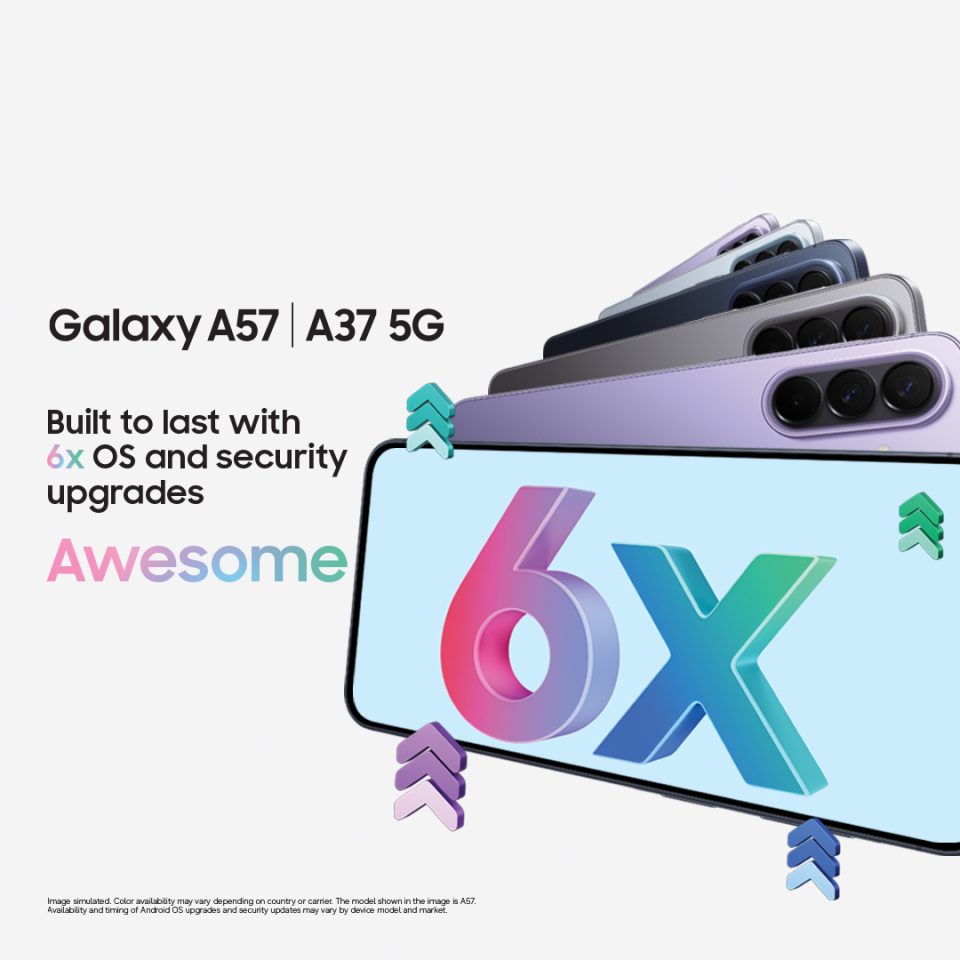
Samsung has given a clear answer for the Galaxy A57 and A37. Both phones ship with One UI 8.5 on Android 16 and both are promised six years of major OS updates and security patches. A phone bought today stays current well into the early 2030s.
That changes the maths of owning one. Phones in this range are often replaced every two years, usually because the software starts to lag, apps stop supporting the system, or security patches dry up. Stretch a phone to five or six years and the cost per year drops sharply. For a freelancer, a small business owner or a young professional watching every shilling, that is a genuine budget decision, not a footnote on a spec sheet.
There is also the security side, which matters more each year in Kenya. Mobile money, banking apps, work email and personal photos all live on the same device. A phone that keeps receiving patches keeps those things safer and that peace of mind is hard to price.
Samsung Just Fixed the One Thing That Actually Kills Your Phone
The hardware gives the software something to work with. The A57 runs on the Exynos 1680 chipset and offers storage up to 512GB, while the A37 uses the Exynos 1480 with up to 256GB. Both carry 5,000mAh batteries with 45W fast charging and both now have IP68 water and dust resistance. A long update promise means little if the body gives up in year three, so the durability upgrades and the software commitment work as a pair.
From a brand point of view, this is smart positioning by Samsung. The A-series has been its volume engine, and the A56 was reportedly the best-selling phone in Europe last year. Backing that audience with flagship-level update support tells buyers the mid-range is no longer the compromise option. It is the sensible one.
There is a fair caveat. Long support only helps if the phone stays in good shape and the battery holds up over the years, so a decent case and sensible charging habits still count. And the A57 will suit people who want the slimmer metal build and stronger chipset, while the A37 covers the essentials for less.
But the bigger idea stands. In a market where a phone is one of the biggest purchases many people make each year, buying one that stays relevant for six years is a quiet act of good financial sense. The Galaxy A57 and A37 make that a practical choice, not just a hopeful one.