Samsung Galaxy Watch 9 Health Features: Vitals Explained
Most of us in Nairobi only check in with our bodies when something goes wrong. A headache that will not leave, a week of bad sleep, a chest that feels tight before a big pitch. The rest of the time we run on coffee, deadlines and traffic and call it normal.
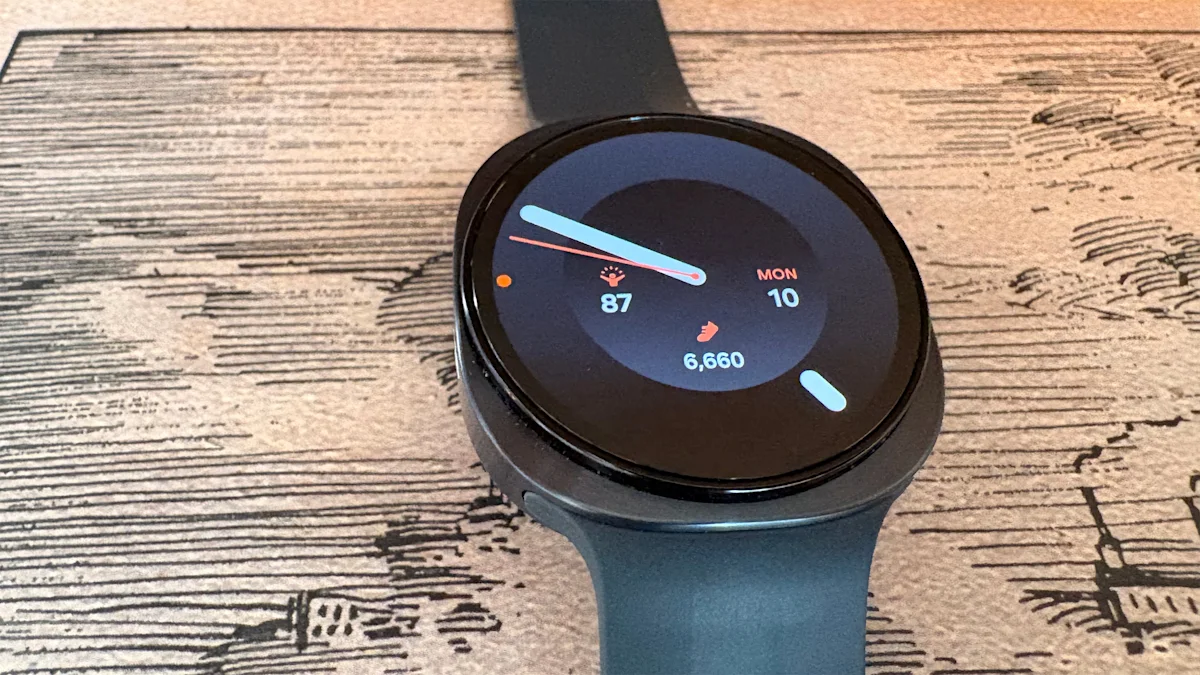
Samsung’s Galaxy Watch 9 is built for exactly that habit. Unveiled at Samsung’s July Unpacked event and on sale since August 7, it keeps the squircle design of the Watch 8 and puts its effort into what the watch tells you.
The headline feature is a new Vitals dashboard. Heart rate, heart rate variability, blood oxygen, body temperature and breathing rate now sit in one place, so you read your body at a glance instead of digging through separate screens. Alongside it comes a new Heart Health score, a simple number that gives you a starting point for understanding your day to day condition.
Why does that matter? Because these signals rarely tell a story on their own. A slightly higher resting heart rate means little in isolation. Seen next to poor sleep and a stressful week, it starts to make sense. Putting everything together is what turns raw data into something a busy person can act on.
Think about who this suits. The founder who is up at 5am and still answering messages at midnight. The parent juggling school runs and a full time job. The professional whose calendar leaves no room for a gym session but who still wants to know whether to push on or rest. A watch that shows the pattern gives that person a reason to slow down before their body forces the issue.
The hardware supports it. The Watch 9 carries sensors for ECG, optical heart rate, bioelectrical impedance and dual band GPS. Under the hood is Qualcomm’s Snapdragon Wear Elite chip, a first for Samsung’s watches, and the 44mm model gets a slightly larger 445mAh battery than last year. Battery life matters for a health watch, because the data only helps if you wear it through the night. The watch runs Wear OS 7 with One UI 9 Watch and Samsung backs it with five years of security updates.
A fair note on expectations. This is a wellness companion, not a medical device, and it will not replace a conversation with a doctor. What it does well is make you notice. That is a modest promise and it is also the one most people in a busy city need.
There is a small price rise over the Watch 8 and the design is nearly identical, so anyone already wearing last year’s model may not feel a rush to switch. For everyone else, especially first time smartwatch buyers, this is the most complete health picture Samsung has put on a wrist yet.
In a city that never slows down, this is a useful thing to wear.