How LOOP Biz helps business owners delegate tasks while keeping control of who accesses what
In a small shop, the owner may handle almost everything. They receive payments, check stock, contact suppliers, review sales and keep track of the money coming in and going out.
As the business expands, that arrangement becomes harder to maintain. Employees take responsibility for particular tasks, managers oversee daily operations and the owner has to rely on other people to keep the business running.
Delegation creates room for a business to operate beyond the owner’s direct involvement in every transaction. It also raises a practical question: how much access should each employee have to the business’s information and systems?
An employee who receives stock deliveries may need to update inventory records. A cashier needs to process customer payments. A manager may need to review sales or make supplier payments. Those responsibilities do not necessarily require every employee to have access to the same financial and operational information.
LOOP Biz includes staff roles and permissions as part of its business-management tools, allowing eligible businesses to define what different employees can access.
Delegation needs clear boundaries
Giving employees responsibility is part of running a growing business. But without clear boundaries, the owner may struggle to maintain oversight of the activities being carried out.
A business that shares one login among several employees, for example, may find it difficult to establish who performed a particular task. It may also expose information to people who do not need it to do their jobs.
Role-based access provides a way to separate responsibilities. Rather than giving every employee the same permissions, a business can assign access according to the work each person performs.
The LOOP Biz campaign information gives examples of how this can work. A store assistant responsible for stock updates may be able to manage inventory without seeing the business’s accounts. A manager may have permission to handle supplier payments.
These examples illustrate the purpose of role-based access: employees can carry out their assigned work while the business retains control over who can view or perform other activities.
Different roles, different information needs
The permissions required by a business depend on its size and operating model.
A single-outlet retailer may need a cashier to process payments and a supervisor to review daily activity. A business with several branches may have managers responsible for individual locations, while the owner or finance team oversees the wider operation.
Inventory responsibilities can also be divided. One employee may receive deliveries and update quantities, while another handles purchasing decisions. The owner may need access to stock reports and financial information across the business.
A digital system can support these arrangements by making access more structured. It can also help the business establish clearer procedures when employees join, change roles or leave.
The system is only part of the process, however. Owners need to decide what each role should be allowed to do, review permissions regularly and ensure that employees understand the limits of their access.
Why permissions matter as a business expands
The risks associated with unclear access arrangements can grow alongside a business.
An employee who can view information unrelated to their work may have access to details that should remain restricted. A person who can change stock records or make payments without appropriate oversight may create difficulties for the business if responsibilities are unclear.
A well-defined permissions structure can help reduce these problems by separating routine tasks from activities that require greater authority.
For example, a shop assistant may need to record incoming stock but should not necessarily be able to approve supplier payments. A manager may need broader operational access, while the owner retains oversight of financial matters.
Businesses should also establish procedures for checking changes to stock, reviewing payments and addressing mistakes. Access controls are more effective when supported by clear responsibilities and regular supervision.
Bringing staff management into the business platform
LOOP Biz’s wider proposition includes payment acceptance and inventory management alongside staff roles and permissions. For eligible businesses using the web platform, these tools can support different parts of daily operations.
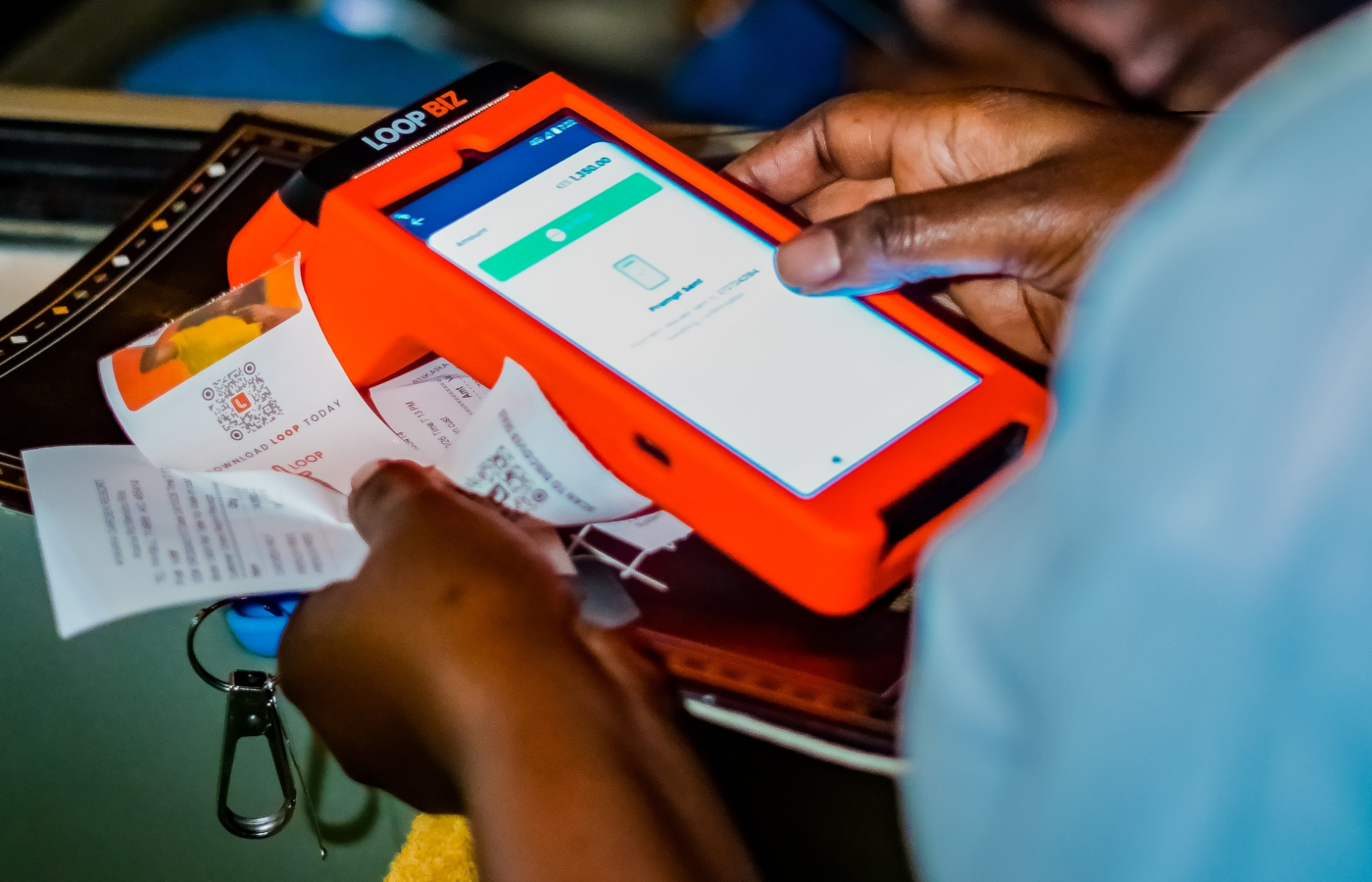
A merchant using inventory management can keep stock records and assign relevant responsibilities to employees. The PDQ can handle supported payment methods, while the business’s authorised users can access the information and functions relevant to their roles.
The inventory management subscription is listed at KSh1,990 per month before tax in the campaign information. The PDQ has separate pricing arrangements. Businesses should confirm which services are available to their account type and whether the permissions they require are included in their selected package.
The platform’s role-based approach is particularly relevant to registered limited liability companies and partnerships using LOOP Biz web, since the inventory and team-management additions described in the campaign are intended for those business accounts.
Making delegation part of business organisation
As a business grows, the owner cannot always remain the person responsible for every task. Employees need enough access to perform their work, while management needs a clear view of responsibilities and appropriate oversight.
Digital permissions can help establish that structure. They give business owners a way to organise access around the work employees perform and reduce the need to share the same level of access across the team.
For merchants considering these tools, the first step is to map the business’s actual responsibilities. Who handles stock? Who processes payments? Who approves supplier transactions? Who reviews the accounts?
Those answers provide a practical basis for assigning permissions. The technology can then support a management structure that allows employees to do their jobs while keeping business information under appropriate control.
Follow us on X, Instagram and Facebook for the latest stories, trends and updates from Nairobi and beyond.