Beyond walk-in customers: How LOOP Biz helps merchants reach shoppers through digital discovery
A retailer can have the right products, competitive prices and a well-run shop, yet still struggle to reach customers beyond its immediate neighbourhood. For businesses that depend heavily on walk-in traffic, attracting new buyers can require regular promotion, word of mouth and a presence on channels that customers already use.
That creates a different challenge from managing payments or keeping stock records. A business may have its internal operations in order but still need more people to know what it sells and where to find it.
LOOP Discover is part of the customer-facing side of NCBA’s wider LOOP ecosystem. The service is intended to give merchants a digital storefront through which they can present offers, while consumers can browse deals and redeem them at participating businesses.
The concept adds a customer-discovery element to LOOP Biz+. It gives merchants another potential route to visibility beyond their physical premises, although the value of that exposure depends on consumer activity, the quality of the offers and whether browsing leads to actual visits and purchases.
Giving customers another way to find businesses
For a small retailer, visibility is often tied to location. A shop on a busy street may benefit from passing traffic, while a business in a less prominent area may need to work harder to attract attention.
Digital discovery can extend that reach by allowing potential customers to view products, offers or promotions before deciding where to shop.
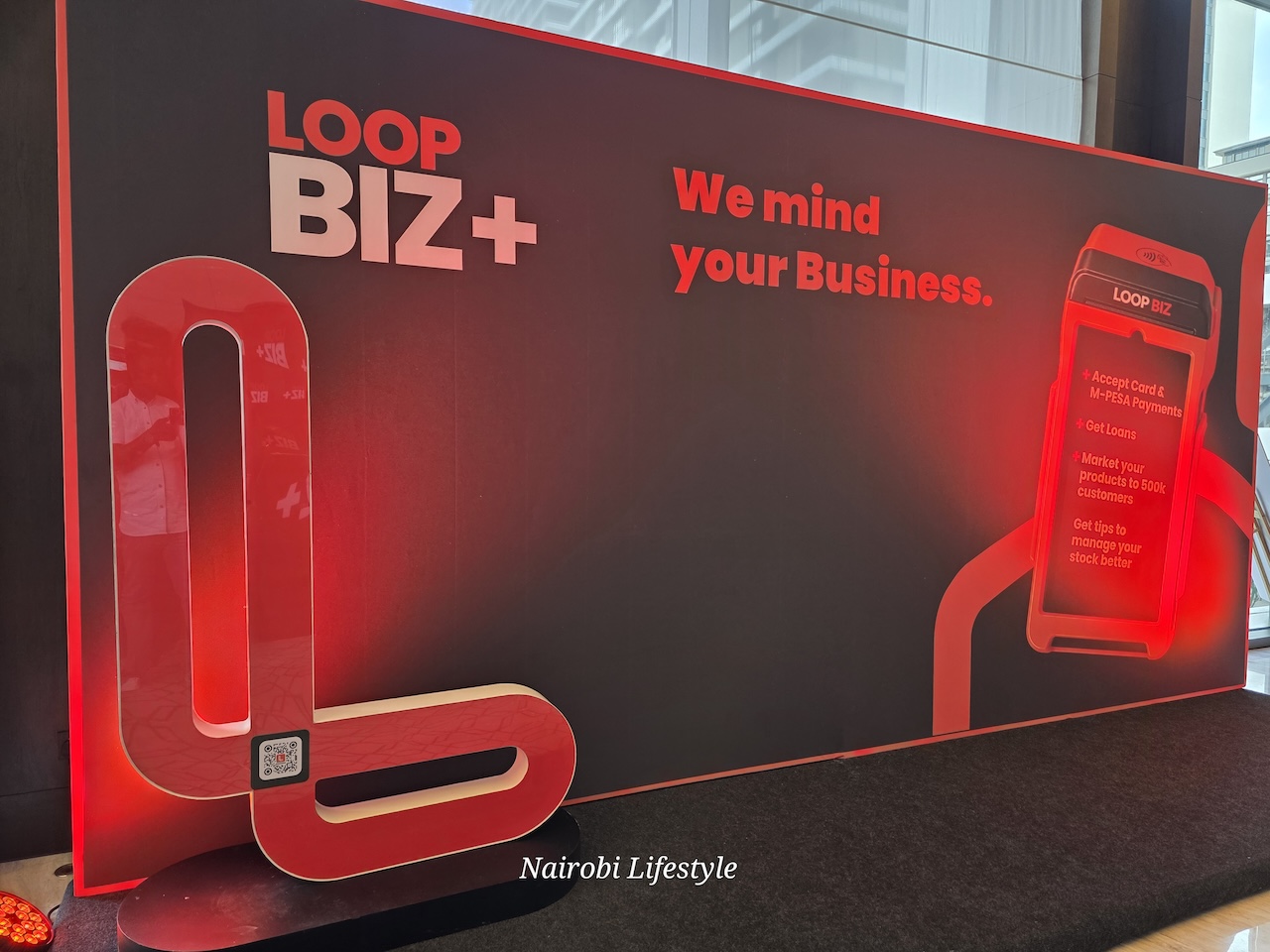
According to the LOOP Biz+ launch material, merchants can create deals through the web platform, while consumers can browse offers through LOOP Discover and redeem them in stores. The launch coverage also described merchant listings as free.
That arrangement gives participating businesses a way to present offers within the LOOP ecosystem. For consumers, it creates a place to browse promotions and consider shops they may not have visited before.
The distinction between a listing and a completed sale is important. Being visible on a platform does not guarantee that a customer will visit, make a purchase or return. Merchants still need to offer products that meet customer needs and make the redemption process clear.
Promotions need to work for the business
A promotion can attract attention, but the terms must make commercial sense.
A retailer might use an offer to introduce a new product, encourage customers to visit during a quieter trading period or bring attention to a particular category. The business needs to consider the cost of the discount, the margin on the product and the likelihood that a customer will purchase additional items.
For example, a shop could promote a selected product to encourage first-time visits. If the offer is too generous, however, the additional sales may not compensate for the reduced margin. If the terms are unclear, customers may arrive expecting something the merchant cannot provide.
Businesses using a digital deals channel should therefore treat each promotion as a commercial decision. They need to understand its duration, redemption conditions, product availability and how staff will recognise an eligible customer.
They should also consider whether the promotion is attracting the type of customer the business wants to retain.
Connecting discovery with the rest of the business
Customer acquisition is only one part of retail operations. Once a customer visits, the merchant still needs to process the payment, record the sale and manage stock.
This is where LOOP Discover sits within the wider LOOP Biz+ proposition. The platform combines customer-facing discovery with merchant services such as payment acceptance and inventory management.
The PDQ supports card and mobile money payment methods, while the inventory management addition can help eligible businesses monitor stock. When inventory management is active, sales made through the PDQ can automatically update stock records.
For a merchant running promotions, accurate stock information is useful. An offer that attracts customers can create problems if the advertised product is unavailable or the business cannot fulfil demand.
The connection between discovery and operational tools could therefore be relevant to merchants that want to promote products while maintaining better oversight of sales and stock. The actual workflow and integration between Discover and the other services should be confirmed with LOOP before merchants are told that the processes are automatically connected.
Measuring whether digital discovery is working
A business should assess a promotional channel through the results it produces, rather than the number of people who may be able to see a listing.
Useful measures could include how many customers redeem an offer, the value of purchases made through a promotion, the number of first-time buyers and whether those customers return.
Merchants would also benefit from understanding what reporting LOOP Discover provides. If the platform offers views of listing activity, redemptions or customer engagement, those records could help businesses compare promotions and decide which offers are worth repeating.
The launch material referred to access to more than 500,000 LOOP users. That figure should be understood as the stated size of the wider consumer user base, not as a measure of active Discover users or a promise that every listed merchant will reach that audience.
For a business evaluating the service, current active usage and the way customer activity is measured are more useful than a headline audience figure alone.
A further route to customer visibility
Small businesses need to manage the customers they already have while finding ways to reach new ones. A digital storefront can offer another place to present products and promotions, particularly for merchants whose physical location limits their exposure.
LOOP Discover is designed to provide that route within the wider LOOP ecosystem. Its practical value to merchants will depend on consumer engagement, the quality of listings, redemption arrangements and the information businesses receive about results.
For merchants considering digital discovery, the central question is how the channel fits into their wider sales strategy. Visibility can introduce a business to potential customers. Turning that attention into repeat trade still depends on the products, service and experience the business provides.
Follow us on X, Instagram and Facebook for the latest stories, trends and updates from Nairobi and beyond.