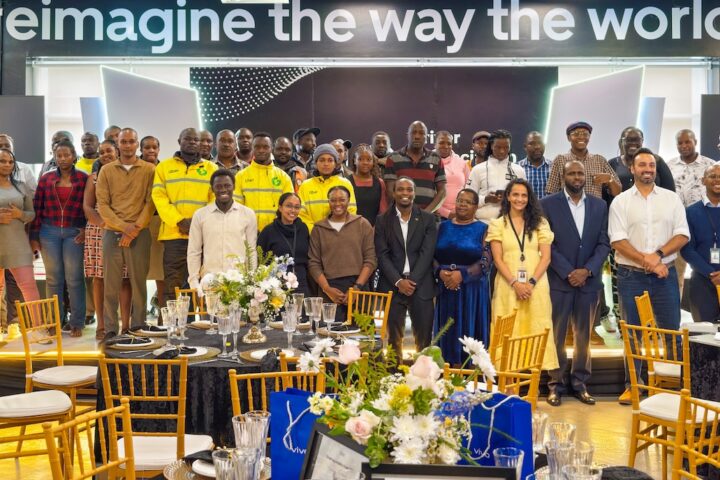
Samsung Innovation Campus: JKUAT Beekeeping Tool Takes Top Prize
Eighty students, 17 teams and one winning idea for Kenya's beekeepers. Samsung Innovation Campus's first JKUAT cohort has shown what it can build.
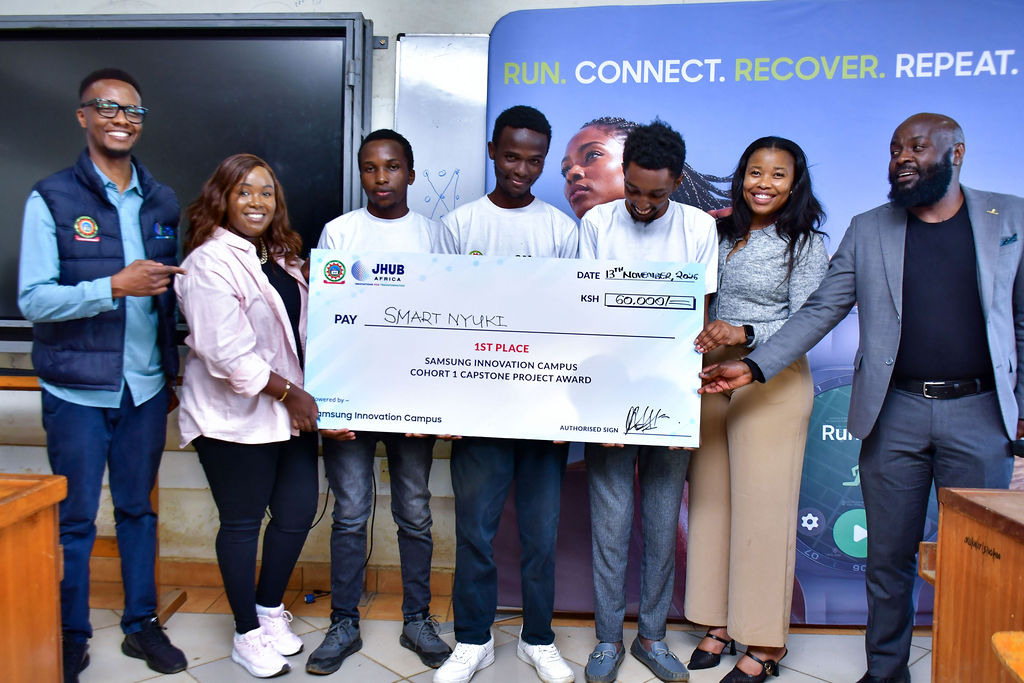
A hive-management tool built for local beekeepers has won the Samsung Innovation Campus showcase at Jomo Kenyatta University of Agriculture and Technology (JKUAT). The Smart Nyuki team beat 16 other student teams to the KSh 60,000 first prize.
The team collected the cheque on 13 November at JKUAT’s main campus in Juja. Students from the programme’s first cohort presented the solutions they had built over the course. JHUB Africa, the university’s technology incubation centre, hosted the showcase in partnership with Samsung Electronics East Africa.
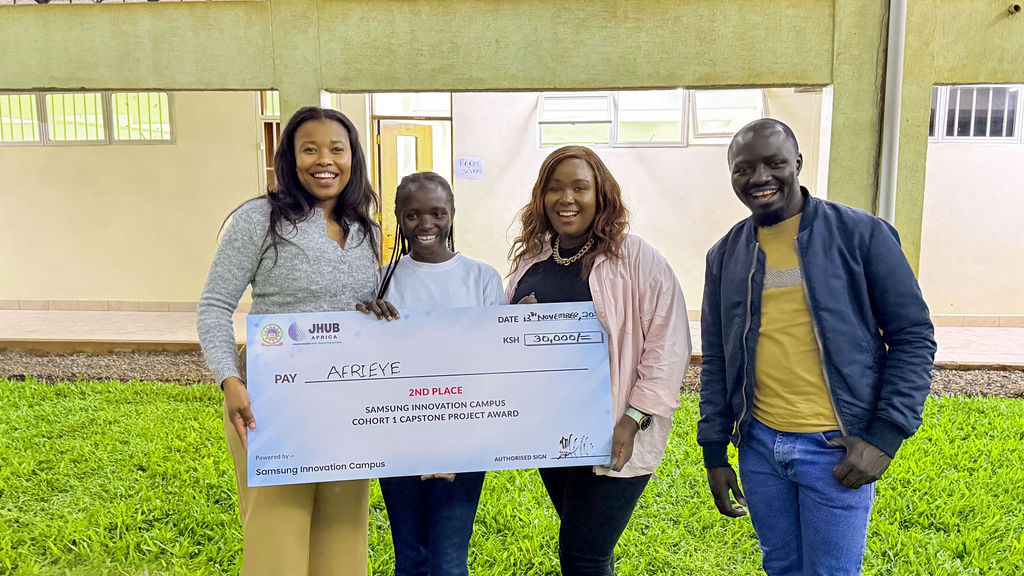
The brief was simple but demanding. First, each team had to identify a local problem. Then it had to build a technology answer to it. In total, 80 students went through the programme and formed 17 teams. Smart Nyuki chose the hive, so its solution helps beekeepers keep track of their colonies. Team AfriEye finished second, taking home KSh 30,000.
How the Samsung Innovation Campus works in Kenya
Samsung Innovation Campus is Samsung’s global education programme for young people. It focuses on the skills the technology industry is hiring for. At JKUAT, that means artificial intelligence, coding and programming.
The Kenyan edition runs through a partnership between Samsung Electronics East Africa, JKUAT and JHUB Africa. JKUAT is also the only university in the East African region running the programme.
In fact, the emphasis is on making things. Students first learn concepts in class. After that, they apply them to real projects that test their problem-solving and critical thinking. In other words, the programme tries to close the gap between what universities teach and what employers need.
Nyawira Muraguri, Head of Corporate Marketing at Samsung Electronics East Africa, said technology can open doors and transform communities. Above all, she said, it can create opportunities for the next generation.
“Through the Samsung Innovation Campus, we are investing in young people by equipping them with the skills and confidence to become creators of technology, not just consumers of it,” she said. “The projects being presented today demonstrate what is possible when young talent is given access to the right knowledge, tools and opportunities to innovate.”
From the lecture hall to the hive
For the students, the real value lay in building something that works. Moses Njau, a member of the winning team, said the programme pushed them well past theory.
“One of the most valuable aspects of this programme has been the opportunity to move beyond learning concepts and actually build something,” he said. “Working on our projects has helped us understand how technology can be applied to solve problems, while also strengthening our technical and problem-solving skills.”
Njau also said the showcase let the teams show how far they had come with the right support and training.
Partnerships like this one link a global technology firm, a public university and a campus incubator. Kenya’s tech talent pipeline needs more of them. Yet too many graduates leave campus with a degree but little experience of shipping a working product. By contrast, Samsung Innovation Campus hands them a portfolio project and a team. In Smart Nyuki’s case, it also handed them a cheque.
With cohort one complete, the real test is how many of these 17 projects make it out of Juja and into the hands of the people who need them.
Follow us on X, Instagram and Facebook for the latest stories, trends, entertainment, technology and lifestyle updates from Nairobi and beyond.
Nairobi Lifestyle. Your City. Your Stories. Your Lifestyle.