Absa Subsidiary Income Grows 20% in H1 2026 Results
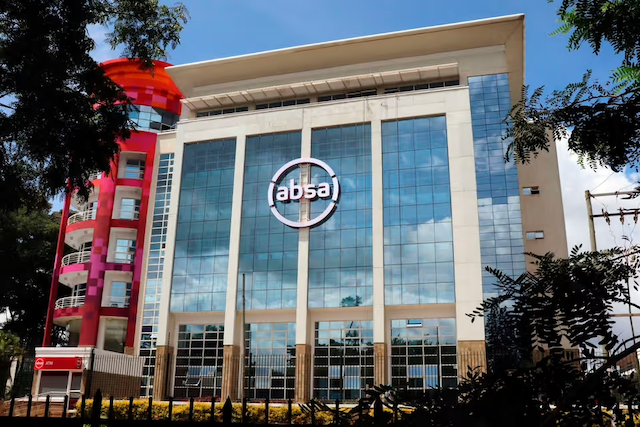
Absa Bank Kenya’s half year results for 2026 tell two different stories depending on where you look. On one side, a tighter interest rate environment squeezed the bank’s core lending margins. On the other, the businesses sitting outside traditional banking grew fast enough to change the shape of the group’s earnings.
Subsidiary income rose 20% year on year to KES 2.9 billion in the six months to June 2026. The growth came from three units: bancassurance, asset management and custody, each expanding for different reasons but pointing to the same conclusion. Absa is no longer just a lender.
Bancassurance was a major driver of that growth. More households and businesses took up life, medical, asset and business insurance cover during the period, a sign that customers are looking for financial protection alongside their banking relationship rather than as a separate purchase. For Absa, it means insurance is becoming a real contributor to non-funded income rather than a side offering bundled onto loan products.
Asset management saw the sharpest jump. Assets under management climbed 40% to KES 49 billion, reflecting stronger investor appetite as interest rates decline and savers look for better returns than what a typical deposit account offers. That kind of growth also signals rising trust in Absa’s investment products among both retail savers and institutional clients.
The custody business added a third leg to the story. It continued to support local and international investors with asset administration and transaction services, reinforcing Absa’s position in Kenya’s corporate and investment banking space at a time when institutional activity in capital markets is picking up.
Put together, new business income across these units reached KES 2.9 billion, up 20%, while non-interest income excluding Global Markets grew 9%. That distinction matters. It shows the growth is coming from fee-based, relationship-driven businesses rather than trading income, which tends to be more volatile.
The timing is deliberate. Interest income across the banking sector has come under pressure as rates fall and FX margins compress. Banks that depend heavily on the spread between what they lend and what they pay for deposits are feeling that squeeze directly. Absa’s response has been to build income streams that do not move in lockstep with interest rates, and the H1 2026 numbers suggest that strategy is starting to pay off.
Whether this diversification can offset pressure on the core lending book in the second half of the year remains to be seen. But for now, the subsidiaries are doing exactly what they were built to do: giving Absa a second engine when the first one slows down.