Africa’s Creative Economy and Local Content
Creating Shared Value and Culture Through Local Content
Skills development remains one of the most reliable drivers of economic growth. Across sectors, training equips young people with the practical capabilities needed to participate meaningfully in the economy. In Africa’s creative industries, however, skills development plays an additional role: shaping cultural expression, reinforcing identity, and building long-term value through locally grounded content.
As global demand for African film and television continues to rise, the need for professionally trained storytellers has become more urgent. The challenge is no longer visibility alone, but scale and quality — producing content that meets international standards while remaining authentic to African realities. At this intersection of skills, culture, and commerce, the continent’s creative economy is beginning to take clearer shape.
Building Industry-Ready Talent at Scale
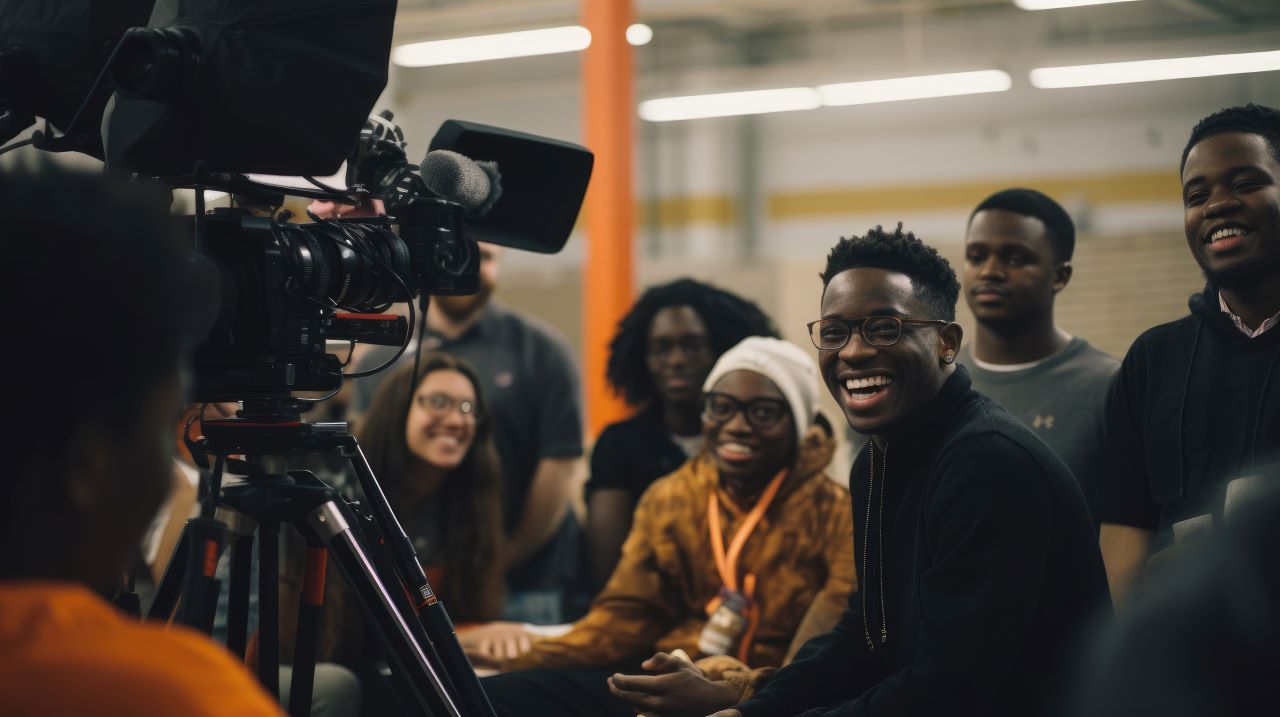
One initiative responding to this gap is the MultiChoice Talent Factory, an Africa-wide network of film and television academies headquartered in Nairobi, Lagos, and Lusaka. Established by MultiChoice, a subsidiary of CANAL+, the programme focuses on structured, industry-aligned training for emerging African filmmakers.
Drawing on more than three decades of experience in African storytelling, the academy emphasises hands-on learning across directing, producing, scriptwriting, and post-production. Beyond technical skills, trainees are introduced to the commercial realities of film and television, preparing them for immediate integration into professional production environments.
The proximity of the academy to MultiChoice’s broader content ecosystem has proven especially valuable. Many graduates transition directly into commissioned productions, ensuring that training translates into real employment and enterprise creation rather than remaining purely academic.
Strengthening Local Content Pipelines
The result is content that is locally rooted yet commercially viable. African audiences increasingly gravitate towards stories that reflect their languages, social realities, and lived experiences. Locally produced film and television meet this demand while keeping viewership and revenue within African markets.
Graduates of the programme have contributed to productions broadcast across MultiChoice platforms, including The Deadbeat and Immersive Alarm. Film projects developed through the initiative have also gained continental visibility, such as West Africa’s Grown, Southern Africa’s The 11th Commandment, and East Africa’s Frida.
Together, these productions demonstrate how targeted skills development feeds directly into the creation of African intellectual property, generating revenue, employment, and cultural influence across multiple markets.
An Ecosystem Approach to Growth
MultiChoice’s role extends beyond content commissioning. The company operates as an ecosystem enabler, working with broadcasters, guilds, financiers, and educational institutions to ensure that opportunities created through training can scale across the industry.
Each year, up to 60 graduates enter the creative economy through this pipeline. Economically, the impact is cumulative. Skilled professionals enable more productions, which attract audiences, advertising, and subscription revenue, reinvesting capital back into the sector. The result is a reinforcing cycle of skills development, job creation, and business growth across the creative value chain.
Culture as Economic Output
Over time, MultiChoice has become a significant driver of contemporary African popular culture. Its local productions routinely shape online conversations, digital engagement, and consumer behaviour.
Shows such as Big Brother Naija generate sustained engagement across social platforms, while East African productions like The Real Housewives of Nairobi have propelled local personalities into regional prominence. These moments highlight how local content functions not just as entertainment, but as cultural capital that shapes trends, dialogue, and shared experiences.
Delivering this level of relevance requires more than technical proficiency. It depends on creators who understand how African audiences live, connect, and consume content in an increasingly digital environment. Training young Africans within this context aligns production with real audience demand.
Investing in the Next Generation
As part of the CANAL+ group, MultiChoice continues to prioritise long-term investment in Africa’s creative industries. Applications are currently open for the 2026 intake at the academies in Nairobi, Lagos, and Lusaka.
The fully funded programme targets aspiring directors, producers, scriptwriters, and filmmakers, with applications closing on 27 February 2026. Interested candidates can find programme requirements and application details on the MultiChoice Talent Factory website.
For the industry at large, initiatives like this represent a strategic investment — linking skills development to sustainable content production, economic participation, and the continued growth of Africa’s creative economy.