Athena Mentorship Programme Marks Five Years
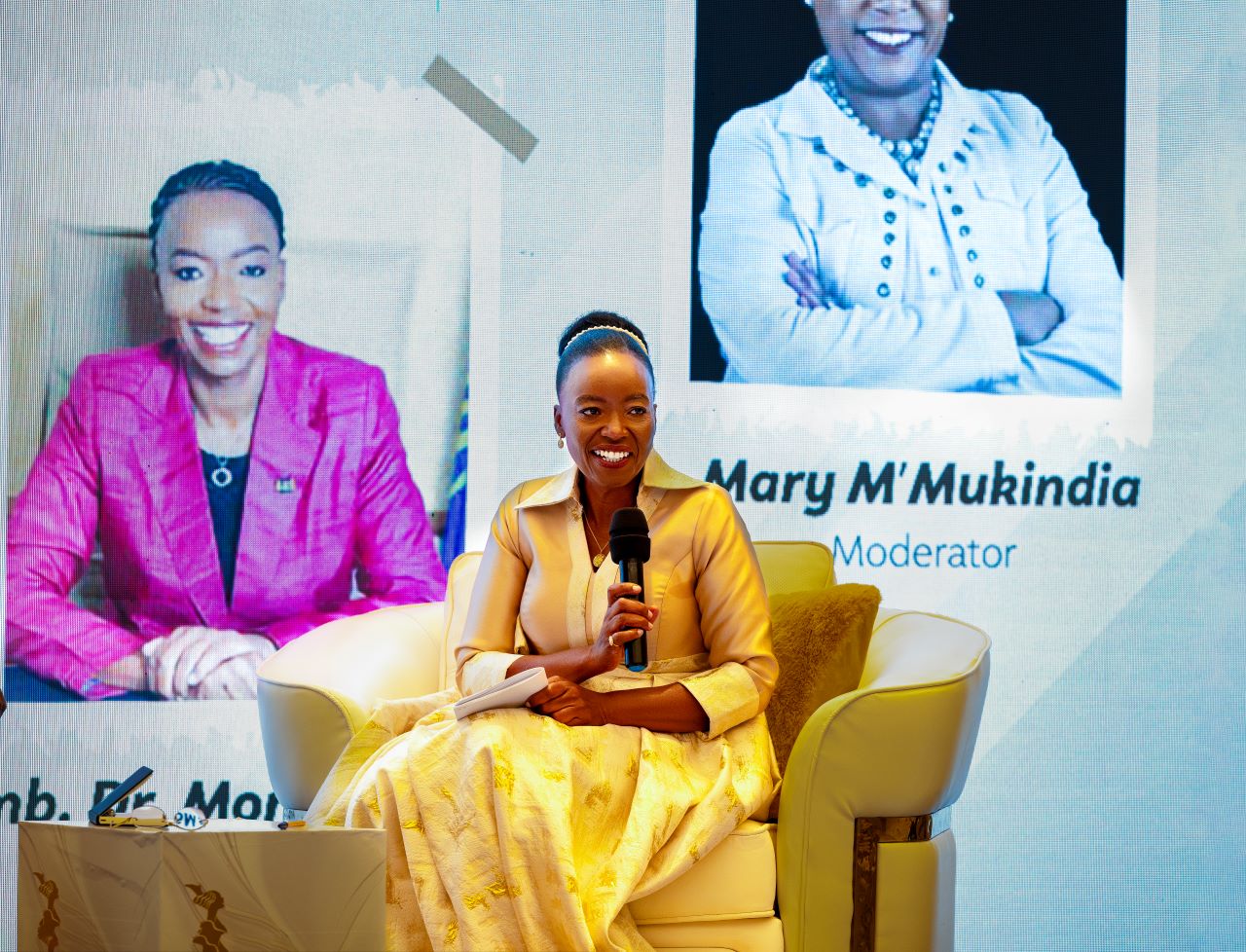
On Saturday, the Athena Mentorship Programme marked its fifth anniversary. The moment carried weight. Not the ceremonial kind alone, but the practical weight that comes when an idea lasts long enough to shape how people think, decide, and lead.
Athena began with twenty women meeting to compare notes on work, ambition, and access. Today, it brings together more than 3,000 professionals. That growth speaks less to numbers and more to relevance. The community has become a place where women question the systems around them and learn how to shape those systems rather than circle them from the outside.
This year’s conference, titled Quantum Quest, reflected that spirit. Government directors sat alongside engineers. Diplomats shared space with bankers. Artists listened to policy thinkers. The mix created the kind of energy you get when everyone brings a perspective, and no one pretends to have the full answer. Questions were treated seriously, and honesty, not polish, set the tone. That has always been part of Athena’s character.
Interestingly, Athena was never designed to become a wide network. It grew into one because the demands placed on women in leadership have only become more complex. People needed space to exchange real information, not curated success stories. They needed conversations about real constraints, institutional politics, and the trade offs that leadership actually involves.
Over five years, Athena has hosted fifteen convenings that functioned as learning laboratories. Mentors and mentees compared hiring bottlenecks, internal resource battles, and the political currents that quietly shape budgets and decision making. The conversations were direct. For many newcomers, that directness is the surprise. When one person speaks openly about a failure point, others add their own experiences without hesitation.
That tone is closely tied to Athena’s founder and patron, Ambassador Monica Juma. Her leadership has always been grounded in paying the cost of creating opportunity for others. It is why the community continues to quote her line about carrying light for those behind you. The phrase stuck because people recognised its truth long before they heard it spoken out loud.
This year’s theme, From Crisis to Catalyst, pulled focus to a reality no sector can avoid. Institutions are adopting technology faster than teams can fully understand it. A clear thread through the day was the growing gap between adoption and competence.
KCB Kenya’s Anastasia Kimtai raised a question that lingered well after her session. At what point do leaders actually gain the skills needed to operate at the next level of technological decision making? It was not framed as a warning, but as a checkpoint. Leadership has to keep pace with increasingly intelligent systems or risk being guided by tools they barely understand.
Dr Shikoh Gitau extended that conversation by highlighting the evolution of social engineering. Attacks are becoming more refined, she noted, and organisations need to understand the tactics behind them instead of treating cybersecurity as something that can simply be outsourced. The point resonated deeply, especially with women responsible for sensitive data who are already seeing weaknesses in everyday operations.
Microsoft Africa Development Centre’s Catherine Muraga added another institutional layer. She reminded the audience that Africa must stay alert to how artificial intelligence is being shaped elsewhere. Decisions made outside the continent can directly affect African markets, workforces, and governance frameworks. If local leaders are not part of those conversations early enough, adaptation becomes reactive rather than intentional.
Running through all these discussions was one clear idea. Women cannot remain in user mode. They must be part of the design of systems, infrastructure, and financial frameworks that determine how opportunity flows. Institutions look different when those affected by decisions are present in the rooms where those decisions are made.
This came through strongly during the breakout sessions. A finance director described adopting automation tools without fully understanding their long term governance implications. An engineer argued that women should be involved in upstream product decisions, not brought in only at the final stages. A diplomat pointed out that policy spaces need voices that understand both security and user behaviour across digital platforms. What stood out was the shared value placed on interrogation rather than surface level alignment.
Athena has grown far beyond a traditional mentor to mentee structure. It now functions as a cross sector intelligence community where members treat one another as peers who understand pressure, politics, and consequence. Often, the most valuable exchanges happen at the edges of the event, in quiet conversations informed by lived experience that no manual could capture.
One line from Zainab summed this up simply. People move further when they move together. It was not offered as a sentimental idea, but as a practical reflection of how networks actually work.
While anniversaries can tempt organisations to focus on output, Athena chose to focus on direction. The next phase aims to deepen impact by strengthening governance literacy for women stepping into senior roles, expanding regional reach across East Africa, and creating practice groups in areas such as public finance, emerging technology, and cybersecurity. These groups will meet throughout the year and feed insight back into the annual convening.
None of these steps require reinvention. They build directly on what the community already does well: learning, testing, revising, and translating insight into action.
As Ambassador Monica Juma noted, Athena connects past, present, and future. Women who have navigated complexity stand beside those just beginning, creating a rare line of sight in professional spaces. Ambition is protected, but it is also grounded in experience.
Five years in, Athena’s anniversary is less about longevity and more about persistence. It marks the steady growth of a community that studies how power operates and then chooses how to engage it with clarity. Something durable has taken root. A forum where women lead with intention, build with care, and leave space for others to see what is possible and step forward with confidence.