Audrey Tanya on Purpose and Film
Audrey Tanya: The Storyteller Who Chose Purpose, Power, and the Business of Film
The African film and television industry has been quietly evolving, shaped by creatives determined to redefine what leadership looks like behind the camera. Among them is Audrey Tanya—a passionate producer, award-winning storyteller, and proud alumna of the MultiChoice Talent Factory (MTF).
Audrey’s journey is one of courage, conviction, and a deep commitment to telling African stories with truth and excellence. From her early days navigating Kenya’s media landscape to creating impactful works like My Little Warrior, she has consistently chosen growth over comfort.
Her time at MTF became a turning point. It sharpened her craft, deepened her vision, and ignited a fire that led to Kalasha Film & TV Award nominations, a WIFA Award win, international exposure at labs like Red Sea Lodge, and eventually the founding of her own production company—Jenga Visuals.
Also read: World Vision Kenya on World Humanitarian Day
But Audrey’s story is not just about accolades. It’s about resilience, purpose, and treating storytelling not only as an art form but also as a business. In this conversation, she reflects on her defining moments, the projects that shaped her, and why she believes the world is finally ready to listen to Africa.
Q: What inspired you to join MTF, and how did it shape your career vision?
At the time, I had worked two jobs in the industry, but deep down, I felt I could be better. I needed more—more knowledge, more skill, more challenge. Joining MTF was like stepping into a room full of mirrors. Suddenly, I could see myself and my potential from angles I’d never considered. It taught me to treat storytelling not just as passion but as business, responsibility, and a tool for change. It expanded my vision, reminded me of the power of collaboration, and proved that growth is never accidental—it’s always a choice.
Q: Can you share a defining MTF moment when you felt “the world isn’t ready for your excellence”?
Definitely during the NYFA sessions. We had to create a short documentary for a COVID-19 vaccine campaign. Imposter syndrome hit hard—I kept asking myself if I could really deliver. But then My Little Warrior was born. Not only did I finish it, but it went on to earn nominations at the Kalasha Film & TV Awards and the Focus on Ability Film Festival. That was a divine reminder that when I lean into purpose and honor the story, beauty flows.
Q: What inspired My Little Warrior?
Misinformation about the vaccine was everywhere, and I had believed some of it. Then I met Joyce, a mother caring for her son Nathan, who lives with cerebral palsy. When Nathan caught COVID, Joyce—who had been vaccinated—was able to care for him without getting infected. That story struck me. It wasn’t just about the vaccine, but about resilience, caregiving, and love. The film became a tribute to unsung everyday heroes.
Q: Producing Stinger came with challenges. How did you manage them?
One unforgettable moment was when a cast member quit mid-shoot. We’d already filmed some of her scenes, so panic set in. But adaptability is everything in production. I regrouped with my AD, shuffled the schedule, recast the role, and by afternoon, the new actress was on set. It reminded me that production isn’t about perfection—it’s about leading with calm, pivoting fast, and trusting the story to carry on.
Q: You won a Bollywood internship award at Zee World but couldn’t attend. How did that affect you?
Winning was thrilling. I was eager to learn in Bollywood, but the dates clashed with my wedding, so I chose love. While I didn’t go, the recognition itself was affirming. It told me, “You’re capable, you’re seen.” That confidence stayed with me and shaped how I approached future projects.
Q: How has international exposure, like the Red Sea Lab, influenced your style?
It was transformative. Working alongside brilliant creatives from around the world opened my eyes to new ways of structuring, collaborating, and approaching stories. It made me sharper and more intentional. But more than that, it fueled my dream to pour what I’ve learned back into Kenya’s industry. One day, I hope someone abroad says, “I want to be like them.”
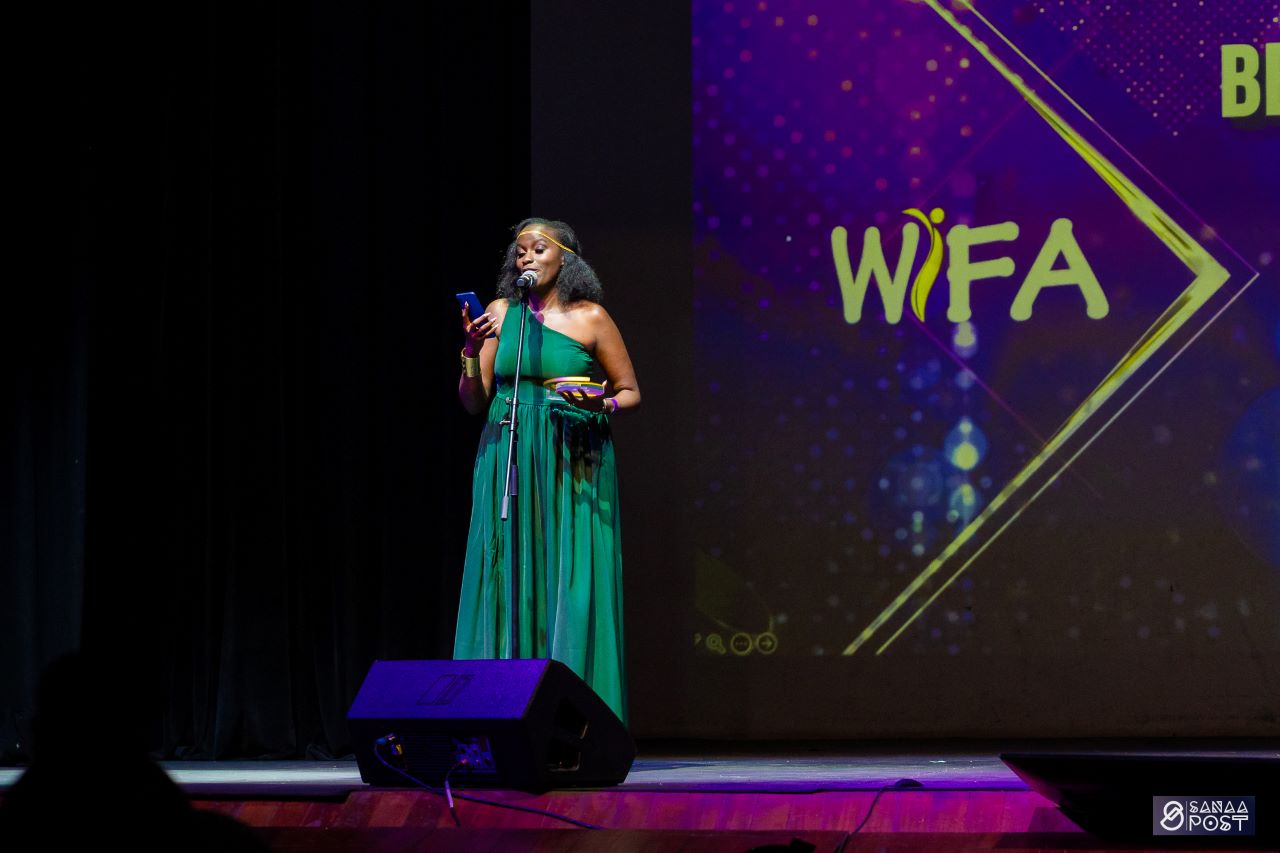
Q: Congratulations on your WIFA win! What did it mean to you?
Thank you! Just the nomination was humbling—it meant the work was seen. Winning was affirmation that my stories matter, that I’m on the right path, and that showing up with courage and faith is always worth it.
Q: What’s next for you and Jenga Visuals?
Our mission is clear: tell African stories with authenticity and excellence. Right now, we’re developing Nkanai, a feature film incubated at the Red Sea Lab, and preparing to produce Fisherwoman, a documentary supported by Docubox, in September 2025. With Jenga Visuals, we’re also expanding into corporate documentaries, working with brands that want to tell meaningful stories.
Q: As a Kenyan filmmaker, what excites you about the future of African storytelling?
We’re finally being seen, and it’s just the beginning. My dream is deeper collaboration across Africa—East, West, North, South. Each region brings something powerful, and together we’re unstoppable. No one tells our stories like we do.
Q: How do you push for more female representation behind the camera?
By creating intentional spaces. For example, we’re producing PAA – Sky Girls Season Four with an all-female crew. It’s not just symbolic; it’s about giving women room to lead, be trusted, and thrive. When women are behind the lens, the stories gain depth and richness.
Q: Your MTF bio mentioned mastering the “business of TV & film.” How is that going?
MTF gave me the foundation, and since then I’ve taken part in labs like DFMI, Great Lakes Creative Producers Lab, Some Fine Day Pix, and now Red Sea Lodge. These experiences taught me that thriving in film takes both vision and business sense—heart and hustle.
Q: How do you ensure your stories reach wider audiences?
Visibility begins in pre-production. If you wait until post, it’s already too late. My strategy involves building buzz through festivals, theatrical releases, and eventually streaming platforms. Social media is also a key co-producer—it bridges the story to the audience and builds a community even before we call “Action!”
Q: What advice do you have for young producers seeking opportunities like MTF?
Expect rejection—it’s part of the journey. I’ve had many “no’s,” but each one taught me something. Keep applying, keep learning, keep refining your craft. Your time will come, and when it does, it’ll be worth it.
Q: How can MTF alumni pay it forward?
By giving back—through mentorship, internships, and creating safe, respectful spaces. And most importantly, by stopping gatekeeping. Sometimes, all someone needs is guidance. Share what you know. Lift as you climb. That’s how we build an industry that thrives for generations.