How Built-In Kitchens Are Changing Apartment Living in Kenya
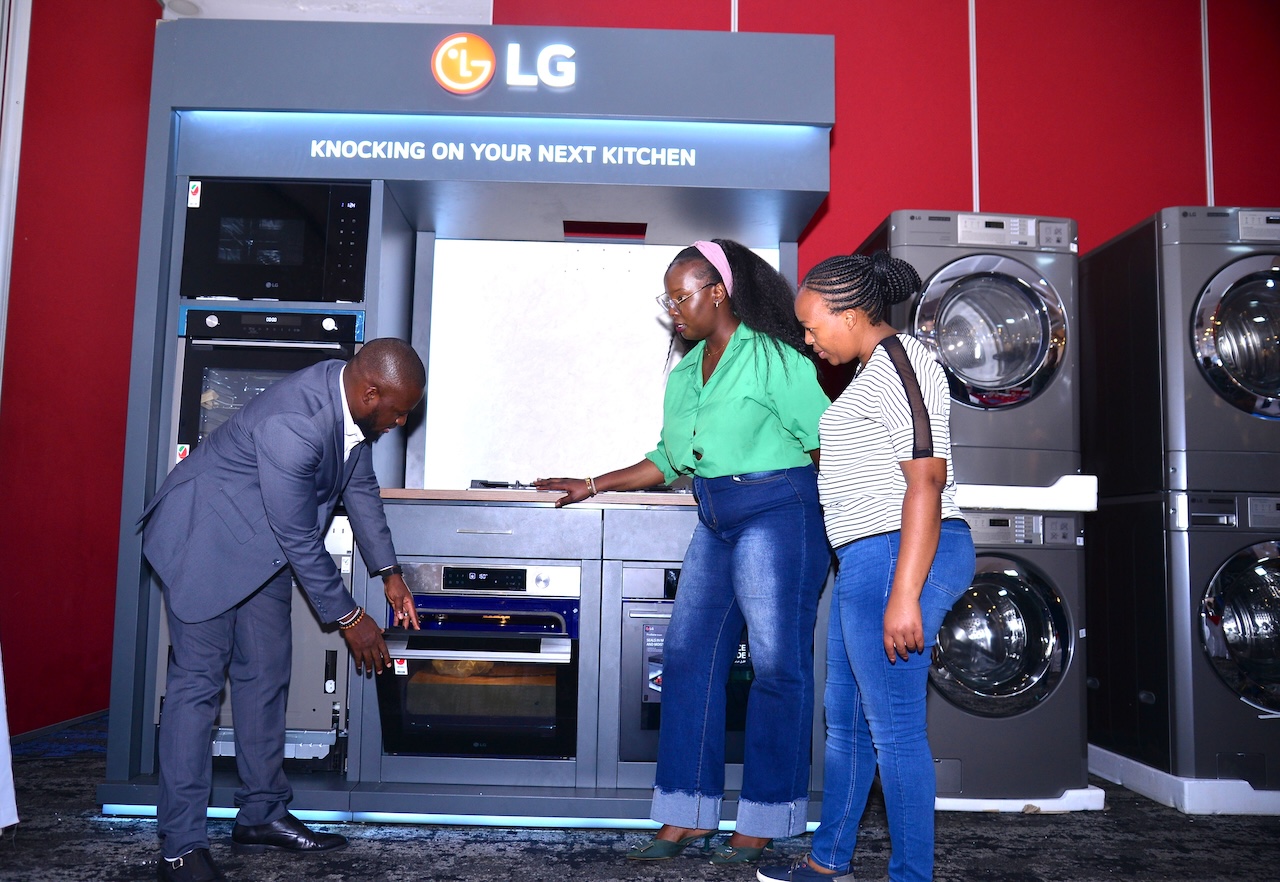
Demand for Built-In Kitchens Rises in Kenya’s Housing Market
Demand for better-built apartments with modern amenities is rising across Kenya, as tenants shift focus from price alone to overall living quality, functionality, and long-term comfort.
This change in preference is reshaping how developers design and deliver housing, with built-in kitchens and integrated fittings quickly becoming standard features rather than premium add-ons.
According to the Kenya National Bureau of Statistics (KNBS), Kenya’s real estate sector expanded by 33.7% between 2019 and 2023, driven by rapid urbanisation and sustained demand for housing.
Tenants Are Becoming More Selective
With rental supply increasing, tenants are paying closer attention to details that directly affect daily living. These include construction quality, security, reliable utilities, and interior finishes.
More than 77% of rental housing in Kenya consists of flats and apartments, reinforcing the need for efficient use of space and thoughtful layouts. As a result, developers are increasingly incorporating fitted kitchens during construction rather than leaving units unfinished.
Built-in appliances such as hobs, ovens, extractor hoods, and microwaves are now being installed upfront, creating move-in-ready homes that appeal to modern urban renters.
Developers Shift Toward Standardisation
For developers, integrating these features early offers both practical and financial benefits. Standardised fittings help maintain consistency across units, reduce post-construction modification costs, and improve overall property value.
“There is a growing preference for housing that is delivered as a complete product rather than unfinished space,” said Eric Otieno, Regional Product Manager for Cooking at LG Electronics East Africa.
“Built-in kitchens allow developers to optimise space while responding to evolving tenant expectations.”
Cost Efficiency Driving Adoption
Affordability remains central, particularly in Kenya’s price-sensitive housing market. Developers note that bulk installation of built-in kitchen packages during construction significantly lowers per-unit costs.
Entry-level packages from LG Electronics typically range between KES 90,000 and KES 120,000 depending on configuration, making them increasingly viable even within mid-market and affordable housing segments.
This approach reflects a broader strategy among developers to balance improved quality with cost control as competition intensifies in urban residential markets.
Beyond Kitchens: Rise of Shared Amenities
The evolution of housing design is not limited to interiors. Developers are also investing in shared amenities to differentiate properties and improve tenant retention.
Facilities such as commercial laundromats are becoming more common, particularly in high-density developments. LG Electronics says it has supported the installation of more than 200 laundromat facilities across Kenya, with expansion planned in cities including Mombasa, Kisumu, Nakuru, and Eldoret.
While still concentrated in Nairobi, such services are increasingly viewed as essential infrastructure that enhances convenience and boosts occupancy rates.
A Market Shaped by Demand and Competition
Kenya faces an estimated annual housing demand of about 200,000 units, continuing to drive the construction of apartments, student housing, and mixed-use developments.
At the same time, tenants are becoming more discerning, evaluating properties based on total living costs, maintenance reliability, and overall experience—not just rent.
This shift is pushing developers to rethink housing as a complete, ready-to-live product, with built-in kitchens and shared amenities emerging as key differentiators in a competitive market.