Clean Cooking Energy Access for Rural Women
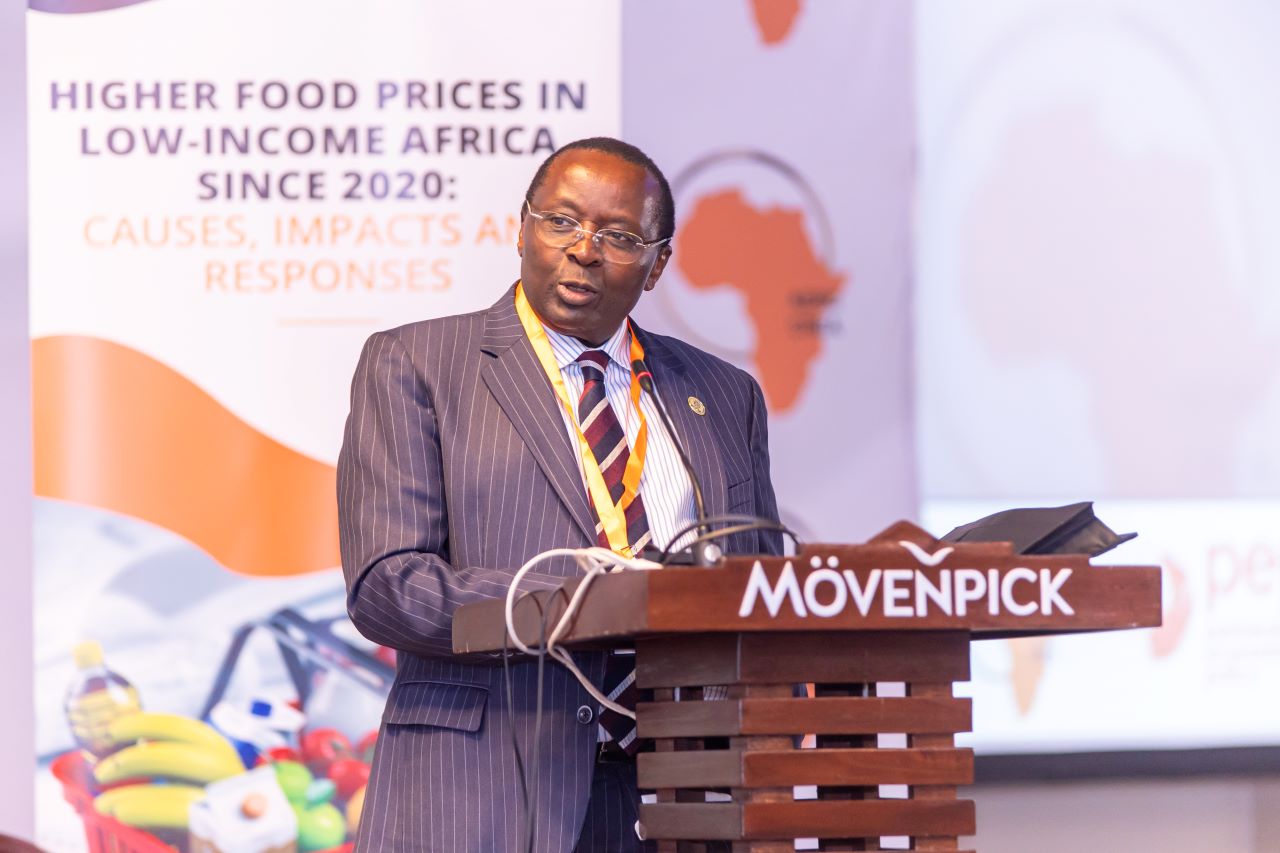
AERC Research Urges Clean Cooking Energy Access as Policy Priority for Women in Rural Areas
A new study by the African Economic Research Consortium (AERC) has called for urgent policy action to make clean cooking energy both accessible and affordable, particularly for women in rural areas.
The study, Gendered Differences in Household Cooking Coping Strategies for the Russia-Ukraine War in Kenya, examined how households adjusted their cooking strategies in response to rising fuel prices triggered by the war’s disruption of global supply chains. Using data from 995 rural and urban households, the research uncovered significant gender disparities in fuel choices.
Key findings show that about two-thirds of households that abandoned kerosene switched to LPG, a cleaner option. However, women were less likely to make this switch compared to men. Instead, around 8% of households—mainly rural and female-headed—turned to firewood, exposing women to longer hours of fuel collection and cooking.
“High food and fuel prices, driven by global shocks, are hitting vulnerable households hardest. This study highlights how women, already disproportionately affected by the COVID-19 pandemic, are facing even greater burdens due to rising energy costs,” said AERC Executive Director, Prof. Victor Murinde, speaking at an AERC side event during the SPARC & Jameel Observatory Joint Conference in Nairobi.
Prof. Murinde stressed that ensuring clean cooking energy is available and affordable should be a policy priority. “During economic shocks, women are more likely to revert to cheaper, traditional fuels despite their harmful health and social impacts,” he noted.
The working paper, authored by researchers Onyango Dickson Wandeda, Macharia Kenneth Kigundu, Ngui Dianah, and Maloi Lanoi, also assessed the impact of fuel subsidies introduced to cushion households. It emphasized that policy responses must account for gendered differences to be effective.
The AERC side event brought together policymakers, NGOs, multilaterals, and research organisations—including UN agencies, development banks, and CGIAR centres. Discussions focused on turning research insights into practical solutions to strengthen food security, promote equity, and support sustainable growth in Africa.
As the continent grapples with persistent high food and energy costs, the study offers an urgent roadmap for designing policies that protect women and low-income households, ensuring no one is left behind.