Kenya Confirms Ebola Case: What Nairobi Should Know
The word Ebola can make people panic. But right now, Nairobi needs information more than fear.
Kenya has confirmed its first case of Ebola after a Kenyan citizen who had been living in the Democratic Republic of Congo (DRC) travelled to Nairobi through Uganda. The patient later died while receiving treatment in Nairobi.
The Ministry of Health says 28 contacts have been identified, including family members and healthcare workers. Authorities are also tracing 23 passengers and four crew members who were on the same flight as the patient.
The case involves the Bundibugyo virus, a strain of Ebola that has been behind the ongoing outbreak in the DRC.
The news has understandably raised questions across Nairobi: How does Ebola spread? What symptoms should you watch for? And should you be worried about going about your daily life?
Should Nairobi residents be worried?
For most people, there is no reason to panic.
Ebola is not spread like a common cold or flu. According to the World Health Organization (WHO) Ebola guidance, transmission mainly occurs through direct contact with the blood or other bodily fluids of someone who is infected or has died from Ebola. Contaminated objects and surfaces can also transmit the virus.
People infected with Ebola are not considered infectious before symptoms appear.
That means simply being in the same city as a confirmed case does not mean you have been exposed.
What are the symptoms of Ebola?
The early symptoms can look like illnesses that are much more common in Kenya, including malaria.
Watch out for:
Fever
Severe tiredness or weakness
Headache
Muscle pain
Sore throat
Vomiting
Diarrhoea
Stomach pain
Rash
Some patients may later develop internal or external bleeding, although bleeding is less common and may occur later in the illness.
This is why you should not diagnose yourself based on symptoms alone. Ebola can resemble malaria, typhoid and other infections, and laboratory testing is needed to confirm it.
How long does it take for symptoms to appear?
The incubation period for Ebola is between two and 21 days.
People identified as contacts are therefore monitored during this period following their last possible exposure.
If you have had a known exposure and develop symptoms, seek medical advice immediately and tell healthcare workers about the possible exposure.
What should you do in Nairobi?
For Nairobi residents, the precautions are straightforward.
Wash your hands regularly with soap and water or use an alcohol-based hand sanitiser. Avoid contact with the blood or bodily fluids of someone who is sick.
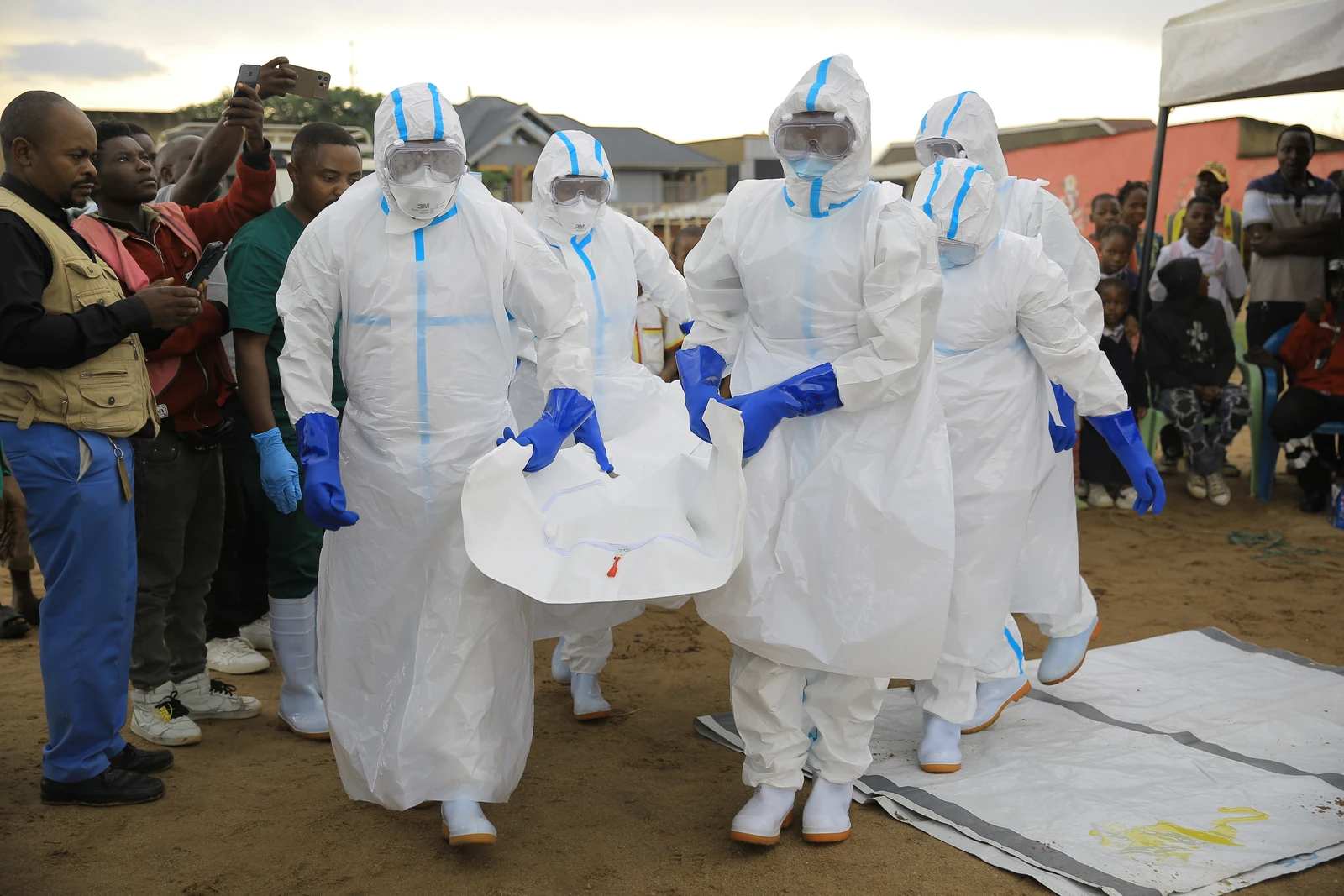
Do not handle the body of someone suspected to have died from Ebola. Safe handling of bodies is an important part of preventing transmission.
If you have recently travelled from an area affected by Ebola, or have had direct contact with a confirmed or suspected case, take any compatible symptoms seriously and seek care at a recognised health facility.
Kenya’s Ministry of Health has also advised Kenyans to maintain good hand hygiene, avoid close contact with sick people coming from countries reporting active Ebola transmission and seek medical care if they become unwell.
The Ministry had already stepped up Ebola surveillance, laboratory testing, border health services and preparedness measures earlier this year as the regional outbreak developed.
And perhaps just as importantly, avoid forwarding unverified Ebola claims on WhatsApp and social media. During a public health emergency, misinformation can create fear and confusion.
Stay alert, not alarmed
Kenya’s first confirmed Ebola case is serious, but it does not mean Nairobi is suddenly facing widespread transmission.
Health authorities are tracing contacts and monitoring the situation. The public has been urged to remain calm while following official health guidance.
Know the symptoms. Practise good hygiene. Take genuine exposure seriously. And rely on updates from the Ministry of Health and recognised health agencies rather than social media rumours.
For now, the best response for Nairobi is simple: stay informed, stay careful and don’t panic.
Follow us on X, Instagram and Facebook for the latest stories, trends and updates from Nairobi and beyond.