How Fortified Flour Supports Children’s Healthy Growth

How Fortified Flour Supports Children’s Healthy Growth
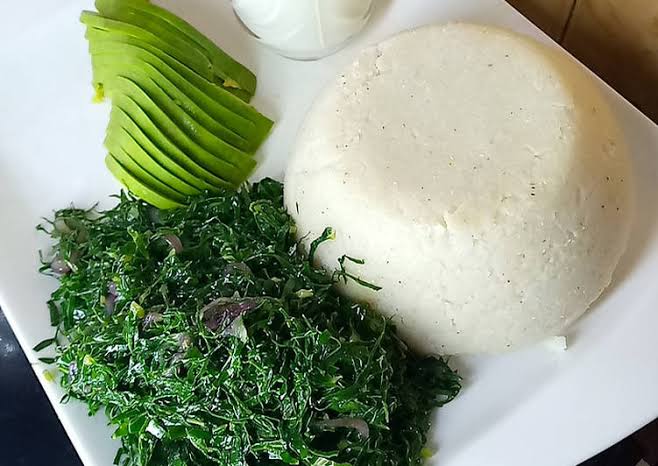
For many Kenyan families, the day’s first meal is a warm bowl of uji before school. Lunch often features ugali with sukuma wiki, while dinner brings another familiar maize or wheat-based meal to the table.
These everyday dishes have nourished generations. What many people may not realise, however, is that the flour used to prepare them often contains added vitamins and minerals that help support better nutrition.
Across Kenya, flour fortification has become a practical way of improving the nutritional value of staple foods. Before packaged maize and wheat flour reaches supermarket shelves or local shops, it is fortified during the milling process with essential micronutrients that many people may not consume in sufficient amounts through diet alone.
It is a process that happens quietly behind the scenes but reaches millions of households every day.
Why Fortified Flour Matters
Children need a balanced diet to support healthy growth and development. While parents work hard to prepare nutritious meals, meeting daily vitamin and mineral requirements can sometimes be difficult.
Flour fortification helps bridge that gap.
During milling, carefully measured amounts of essential nutrients are added to maize and wheat flour. These include iron, zinc, Vitamin A, folic acid and several B vitamins. Together, these nutrients support normal growth, healthy development and overall wellbeing as part of a balanced diet.
Because maize flour is one of Kenya’s most widely consumed staple foods, it provides an effective way of delivering these nutrients to families in both urban and rural communities.
By the time parents prepare ugali, chapati or porridge at home, the fortification process has already been completed under carefully controlled manufacturing conditions.
Nutrition Begins Before Food Reaches the Kitchen
Healthy eating starts with the ingredients long before cooking begins.
In modern milling facilities, every maize consignment undergoes quality inspections before processing. Grain is checked for moisture content, quality and food safety before it is cleaned and milled.
Once the flour has been produced, specialised equipment adds precise amounts of vitamins and minerals to meet national fortification standards. The flour is then tested again before packaging to verify that it meets Kenya’s food safety and quality requirements.
This process allows nutrition to be built into foods that families already consume every day without changing the way they prepare their meals.
Choosing Safe and Nutritious Food
The Cereal Millers Association (CMA) recently launched the Chagua Safe campaign, which translates to “Choose Smart.” The initiative encourages consumers to think beyond price when buying food by promoting greater awareness of nutrition and food safety.
The campaign also highlights the importance of understanding how flour is produced, tested and fortified before it reaches consumers.
Another key focus is raising awareness about aflatoxins, naturally occurring toxins that can develop in cereals that are poorly handled or stored. Since aflatoxins cannot be detected by sight or smell, modern milling facilities routinely test grain before production to help prevent contaminated cereals from entering the food supply.
A Small Addition That Makes a Difference
Fortified flour is not a substitute for a healthy diet. Children still benefit from meals that include fruits, vegetables, proteins and other nutrient-rich foods, alongside safe food handling practices at home.
However, fortification adds another layer of nutritional support by enriching staple foods that Kenyan families already eat every day.
The next time you prepare porridge before school or serve ugali at dinner, that familiar meal may contain more than maize or wheat. It may also provide essential vitamins and minerals that quietly contribute to healthier growth and better nutrition for the whole family.