
Freedom of the Press Under Threat: Blood Parliament Documentary
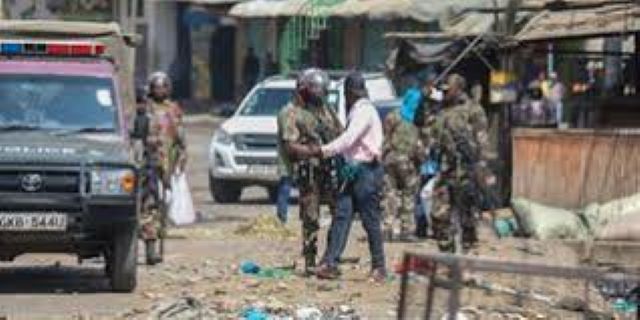
The recent arrest of four BBC-affiliated filmmakers behind the explosive Blood Parliament documentary has sparked widespread concern and public outrage across the country. The individuals, Nicholas Gichuki, Brian Adagala, and Mark Denver Karubiu are respected journalists who were simply doing their job: telling a critical story through investigative journalism.
This arrest has triggered strong emotional responses from Kenyans who view it as a direct attack on freedom of expression and press freedom. At a time when the country is grappling with matters of police brutality and state accountability, targeting the messengers rather than the perpetrators only deepens public distrust in government institutions. Many Kenyans are interpreting this move as an attempt to silence critical voices, shield state agencies from scrutiny, and muzzle the media’s watchdog role.
Journalists are not enemies of the state, they are watchdogs of the fourth estate. Their role is to hold power to account, uncover truths that impact society, and ensure transparency and justice. By arresting these journalists instead of addressing the serious allegations raised in the documentary, the government sends a dangerous message: that truth-telling is a threat, and those who pursue it are expendable.
The impact of this action may go beyond the immediate arrests. It risks triggering fresh demonstrations across the country, especially among young people who increasingly rely on the media and social platforms to amplify injustices. Civil society organizations, human rights defenders, and democratic activists are likely to rally behind the call for the immediate release of the filmmakers and the protection of journalistic freedom in Kenya.
Social media has already become a powerful arena for resistance, with platforms like TikTok, Instagram, X (formerly Twitter), and Facebook amplifying voices of dissent. Online discussions are fueling public demand for transparency and action, potentially escalating into organized protests calling for justice, accountability, and an end to media suppression.
What is deeply troubling is the way this matter has been handled. The government, through its law enforcement agencies, chose to intimidate rather than engage. Instead of investigating the content of the documentary and addressing the alleged misconduct by police officers, they opted to harass the storytellers. This approach signals panic and defensive posturing, not leadership.
ALSO READ: Broken Dreams Abroad: How Job Scams Are Destroying the Hopes of Young Kenyans
According to Kenya’s Constitution, the media must operate freely and without interference. Article 34 explicitly protects the freedom and independence of all forms of media, forbidding the state from penalizing individuals for their reporting. It is therefore unconstitutional for the government to interfere with journalistic work or confiscate material created for public interest.
We demand that the police return all seized equipment, including hard drives and footage taken from the Karen studios. These materials are not only the property of the filmmakers but are also part of a public record of events that must be preserved.
The government must come forward, explain the rationale behind the arrests, and affirm its commitment to media freedom. Kenyans will not be silenced, and the press must remain free to speak truth to power, without fear.


