Kenya Beekeeping Opportunity: The New Billion-Shilling Goldmine
Why Beekeeping Is the New Oil: Unlocking Kenya’s Billion-Shilling Beekeeping Opportunity
Honey, golden, sweet, and natural, is quietly emerging as one of the most valuable commodities in the world. According to Kyalo Mutua, CEO of Savannah Honey, “honey is now five times more expensive than oil,” and global demand is soaring, not just in Africa but across the Middle East, Europe, and Asia.
We spoke to Kyalo, the visionary behind Savannah Honey, a company present in seven countries and the only one in the region that provides complete beekeeping solutions from delivering and installing hives to managing production and buying back honey from farmers. His message is simple: if you have idle land, think beekeeping first.
A Billion-Shilling Goldmine in the Making
In Kenya, a kilo of pure honey sells for KSh 1,000 to KSh 1,800, more than five times the price of a litre of petrol. In the Arab market, the same jar can fetch up to $25 (KSh 3,300). Yet, Kenya is tapping only 20 percent of its honey production potential, despite having vast fertile land and year-round flowering vegetation.
Beekeeping has existed in Kenya for centuries, often as a side activity or cultural practice, but it now represents a multi-billion-shilling opportunity. Kenya’s potential honey output stands at 100,000 metric tonnes per year, yet only a fraction is produced due to limited access to modern equipment, training, and awareness.
As Kyalo puts it, “There are people who have left their land idle when they can get millions of shillings out of it.”
Also read: Mi Vida Hands Over 200 Affordable Green Homes to IHS
Beyond Honey: The Hidden Treasures of the Hive
Few realize how valuable bee by-products can be.
Bee venom costs about KSh 8,000 per gram, seven times the price of gold.
Royal jelly sells at KSh 38,000 per kilo.
Bee pollen fetches KSh 6,800, while propolis, the bees’ natural antibiotic, goes for KSh 1,900 per kilo.
Beeswax, often overlooked, is widely used in cosmetics, pharmaceuticals, and industry.
Bees, in essence, are tiny natural manufacturers producing high-value, renewable products with vast local and export potential.
Why Kenya Is Ideal for Beekeeping
Kenya’s geography and climate make it a natural haven for bees. From acacia belts to flower-rich landscapes, nectar is abundant and pesticide use is relatively low in rural areas.
“Every flowering season, Kenya leaks with nectar,” says Evelyn Nguku, Director of Research and Development at Savannah Honey. “We have over 80 percent untapped potential in nectar flow.”
Beekeeping is also low cost, low labour, and highly adaptable. Farmers can integrate hives into existing farms, whether maize fields, coffee plantations, or orchards, with minimal disruption.
Changing Perceptions
Traditionally, beekeeping in Kenya has been viewed as a rural or elderly pursuit. But globally, honey is a premium lifestyle and wellness product valued for its medicinal, nutritional, and cosmetic benefits.
Pure honey never expires. It is a proven antioxidant, antibacterial remedy, and immune booster. From easing sore throats to improving skin health, honey has moved from the pantry to the pharmacy and spa.
Similarly, beeswax and royal jelly have become key ingredients in skincare and nutraceutical industries, valued for their healing and rejuvenating properties.
Empowering the Next Generation of Beekeepers
Savannah Honey has been instrumental in transforming Kenya’s beekeeping landscape. Over the last seven years, the company has trained thousands of new beekeepers, supplied modern Langstroth hives, and offered end-to-end technical and market support.
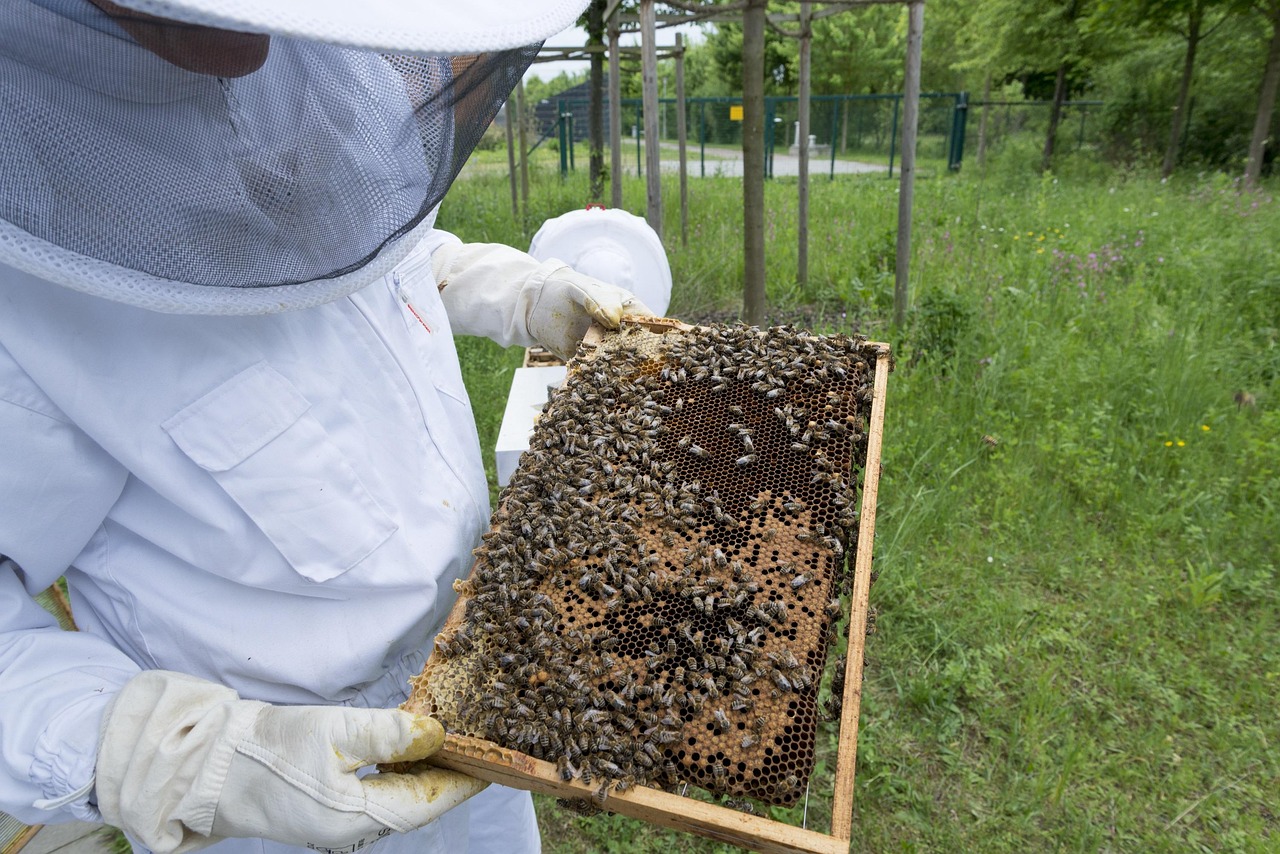
The Langstroth hive, known for its removable frames and efficient honey harvesting, allows for both higher yields and sustainable bee management, making it ideal for youth and smallholder farmers.
From Poverty to Prosperity
With unpredictable weather and falling crop prices, beekeeping offers a sustainable and climate-resilient alternative. It requires no irrigation, minimal maintenance, and guarantees returns as bees do most of the work.
“Bees have one of the highest returns one can ever get in any investment,” says Kyalo. With honey retailing locally and fetching even higher export prices, beekeeping is proving that the next agricultural boom may not come from the soil but from the air above it.
The Final Buzz
Kenya’s potential to become Africa’s honey powerhouse is massive. As global demand for natural, organic, and sustainable products continues to grow, the opportunity is ripe.
To unlock it, Kenya needs training programs, financing, modern equipment access, and strong market linkages. With support from both government and private partners like Savannah Honey, idle lands could soon turn into thriving “liquid gold mines.”
As oil wells dry up, the beehive remains one of nature’s most renewable sources of wealth, one that hums, heals, and pays handsomely.