Kenya Assures Public on Fuel Supply Amid Middle East Tensions
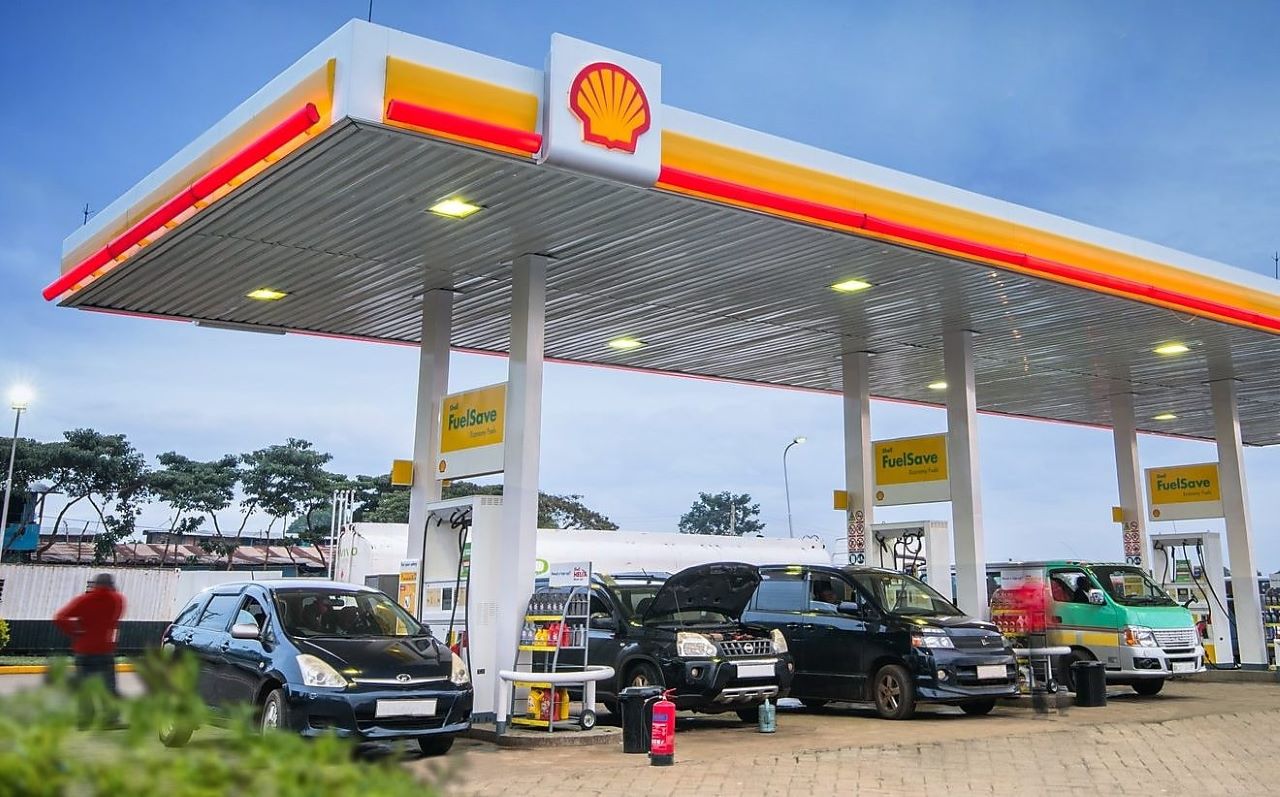
Kenya Says Fuel Stocks Are Safe Despite Middle East Tensions
Rising tension in the Middle East has pushed fuel supply back into the spotlight. For Kenya, the issue carries weight because the country imports most of its petroleum products from that region. The government now says the Kenya fuel supply remains stable, even as conflict continues to shake global oil markets.
In a statement released by the Ministry of Energy and Petroleum, the government said it has reviewed the country’s fuel stock levels and import schedule. The conclusion: Kenya has enough fuel in storage and more shipments already planned.
The announcement comes as global oil markets react to military conflict in the Gulf region, where key shipping routes and energy infrastructure face disruption. Oil prices have already started rising amid fears of reduced supply and tanker delays.
Government Says Kenya Fuel Supply Is Secure
Energy and Petroleum Cabinet Secretary Opiyo Wandayi said the country currently holds adequate petroleum stocks.
“As at today, the country has sufficient stocks to cover both the country and the region. We have scheduled imports for delivery up to end of April 2026 and, therefore, as it stands, we are assured of security of supply,” the ministry said in its statement.
The ministry also said officials continue to monitor developments in the Middle East while holding talks with international suppliers.
“We are closely monitoring the fluid situation as it evolves whilst engaging with our G-G suppliers for contingency planning.”
Officials added that the ministry will continue updating the public if the situation changes.
Why Middle East Tensions Matter for Kenya
The concern around Kenya fuel supply starts with geography and trade patterns. Kenya imports most of its petroleum products, and a large share comes from Gulf producers such as Saudi Arabia and the United Arab Emirates under government supply agreements.
Those supplies travel through some of the busiest shipping routes in global energy trade. One of them is the Strait of Hormuz, a narrow waterway that handles a major portion of global oil shipments. Any disruption in that route can slow tanker traffic and trigger price spikes.
Recent fighting in the region has already led to shipping delays and higher crude prices. Brent crude rose above $83 per barrel as the conflict widened and tanker movements slowed.
When oil prices rise globally, Kenya feels the impact quickly. Fuel is a core input for transport, logistics, manufacturing, and electricity generation. Higher import costs can push up pump prices and ripple through the wider economy.
How Fuel Reaches Kenya and the Region
Most petroleum products used in Kenya arrive through the port of Mombasa. From there, the fuel moves through storage terminals and the national pipeline system before reaching inland depots and retail stations.
The pipeline network operated by the Kenya Pipeline Company stretches across the country and transports fuel from Mombasa to cities such as Nairobi, Nakuru, Eldoret and Kisumu.
Kenya also acts as a supply hub for several neighbouring countries. Fuel imported through Mombasa is transported to Uganda, Rwanda, South Sudan and parts of eastern Democratic Republic of Congo.
This regional role explains why government statements often refer to supply for both the country and the wider region.
What Happens Next
For now, officials say the Kenya fuel supply chain remains stable. Scheduled shipments and existing reserves offer a buffer against immediate shortages.
Still, the situation abroad remains unpredictable. Global energy markets react quickly to conflict, shipping risks and production cuts. If tensions escalate or shipping routes close, supply costs could rise even if physical shortages do not occur.
The government says it will continue monitoring events closely while working with suppliers on backup plans.
For consumers in Kenya, the bigger question may not be availability but price. Even with steady supply, global oil swings often show up first at the pump.